



Sony’s All-Digital Future May Not Be as Simple as It Seems
From rural gamers to libraries and tournament organizers, the shift away from physical games could affect players in unexpected ways—but not always as expected.
AI-Assisted: This article was created with the assistance of artificial intelligence and reviewed by human editors.
Sony’s plan to phase out physical PS5 game discs has sparked concerns about accessibility, affordability, and ownership. But conversations with gamers, librarians, and tournament organizers reveal a more complicated picture.
When Sony announced that it plans to end physical disc production for PlayStation 5 in early 2028, concerns quickly spread across social media. Players without reliable internet, public libraries, gamers in developing countries, and local tournament organizers were among those expected to be most affected by the move toward an all-digital future.
But how significant will the impact actually be?
I spoke with gamers and people involved in different parts of the gaming community across several regions to find out how they expect the disappearance of physical games to affect them. The responses were more nuanced than expected. While some remain frustrated by the shift, others have already adapted to digital gaming and see fewer practical problems than expected.
The biggest concerns tend to center around access, affordability, and ownership rather than simply whether games come on discs.
Slow Internet Isn't Necessarily the Biggest Problem
For players in rural areas, the obvious concern is download speeds. Modern AAA games can easily take up 100GB or more, making reliable internet access increasingly important.
However, Shana Gardner, a gamer living in rural Wisconsin, had already moved entirely to digital purchases after getting a PS5. Limited physical storage and the fact that she rarely trades in games made digital purchases more convenient.
That doesn't mean the transition has been completely painless. Gardner has had games take several days to download over DSL and has occasionally had to leave downloads running overnight to avoid disrupting other internet activity.
Still, she doesn't necessarily believe rural gamers will be disproportionately affected by the end of physical media. Better connectivity options have expanded access in many rural areas, while large patches and mandatory downloads have already made physical discs less of a guarantee of convenience.
For Gardner, the bigger concern is ownership, rather than internet speed.
Libraries Have Already Been Moving Away From Games
Public libraries are another group frequently mentioned in discussions about physical games. Some libraries lend games just as they lend books, DVDs, and audiobooks, providing an affordable way for people to access titles they might otherwise struggle to purchase.
However, several library workers indicated that physical game collections have already become increasingly difficult to justify.
Games are expensive, frequently lost or stolen, and can become outdated quickly as new consoles are released. Colleen Kemps, who worked and volunteered at libraries in Meridian, Idaho, said games represented a relatively small part of her library's community offerings and were often checked out by parents rather than children themselves.
The result is that some libraries have already reduced their game collections, while others have shifted their resources toward PCs, tablets, and other forms of digital entertainment.
The end of physical PlayStation games could therefore accelerate an existing trend rather than create an entirely new problem.
The Global Impact Could Be Much Bigger
The situation becomes more complicated outside North America and other wealthy markets.
In countries where official PlayStation Stores aren't available, players may already rely on accounts registered to other territories. And in regions where disposable income is lower, the ability to buy, sell, lend, or trade physical games can be an important part of making console gaming affordable.
A South African gamer I spoke with predicted that an all-digital future could severely hurt local gaming retailers and the secondhand market. For players who cannot afford new games at full price, used copies can provide one of the few affordable ways to access major releases.
A gamer and business owner in Ghana offered a different perspective, noting that digital gaming and piracy have already shaped the market significantly.
In Kenya, affordability was also identified as a bigger concern than connectivity. While major cities increasingly have access to fiber and 4G/5G networks, downloading an 80GB or 150GB game can still be expensive for players without unlimited internet.
Physical games also allow players to resell or exchange them once they're finished, something that disappears in an all-digital ecosystem.
For these markets, the issue isn't simply whether people can download a game. It's whether they can afford to keep buying games once the secondhand economy disappears.
Fighting Game Tournaments May Be Less Affected
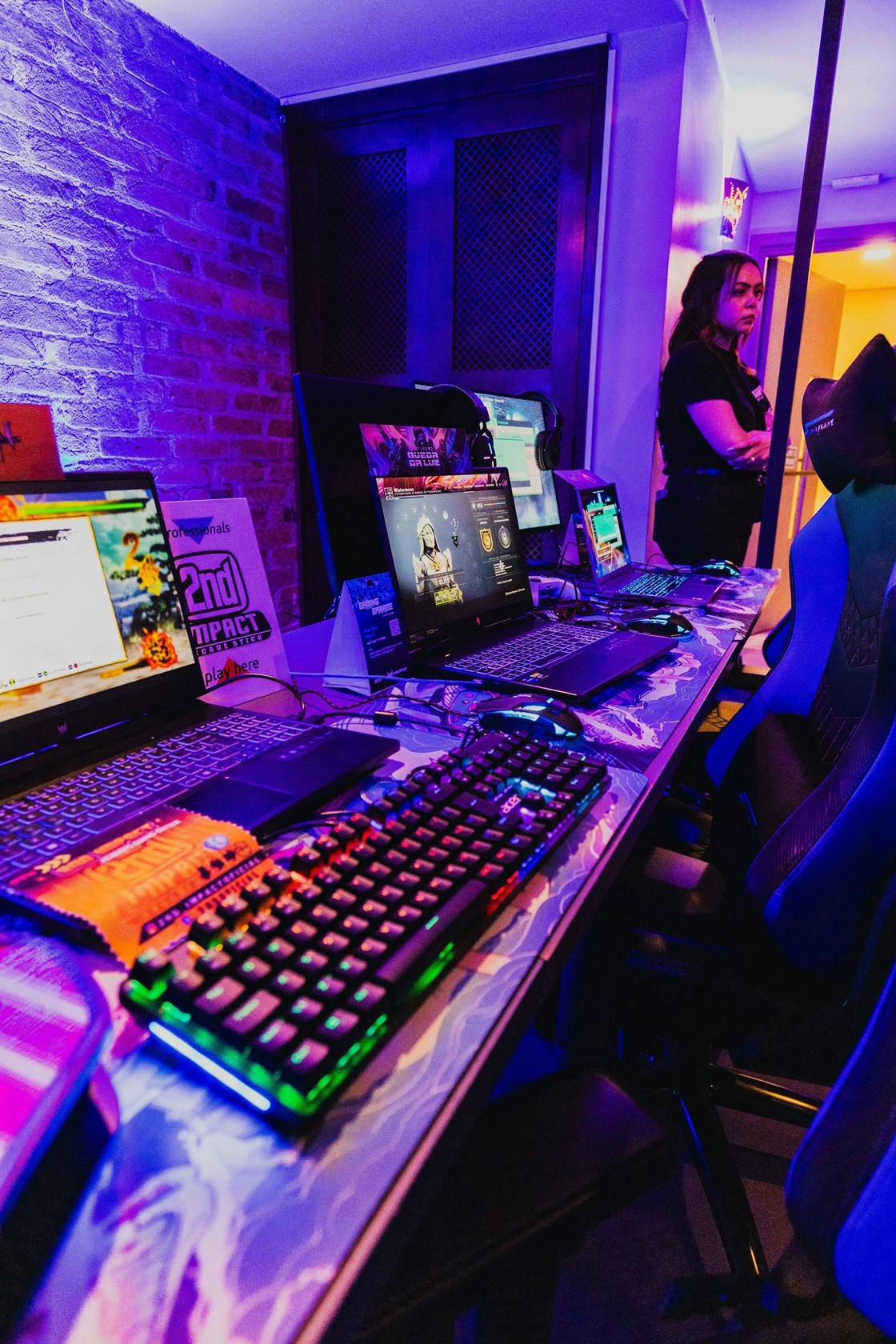
Local fighting game tournaments were another area where an all-digital future initially appeared problematic. Tournament organizers often need multiple consoles and copies of the same game to run events efficiently.
Surprisingly, the tournament organizers I spoke with were relatively unconcerned about losing physical discs.
Tabby, a tournament organizer and volunteer in the Pacific Northwest fighting game community, explained that discs can actually create additional logistical problems at events, including the risk of games being lost or stolen.
The bigger concern is how Sony handles digital licenses and shared accounts.
Currently, tournament organizers can use workarounds that allow the same digital purchase to be used across multiple consoles for offline play. If Sony were to eliminate those workarounds or introduce stricter licensing restrictions, small-scale tournaments could face significantly higher costs.
In other words, the problem isn't necessarily losing discs. It's losing flexibility.
The Bigger Issue Is Consumer Choice
After speaking with people across different parts of the gaming community, the impact of Sony's move appears far less straightforward than the initial online reaction suggested.
Rural gamers may have connectivity alternatives. Libraries have already reduced their physical game collections. Tournament organizers can largely adapt to digital licenses. But in lower-income markets, the disappearance of physical games could have a much more meaningful impact by eliminating the ability to buy used games, trade titles, or resell games after finishing them.
Ultimately, the biggest concern may not be whether gamers can continue playing their games. It's what they actually own when they buy them.
Digital gaming is convenient, and for many players it has already become the preferred way to purchase games. But physical media offers something digital purchases cannot fully replicate: a tangible product that can be lent, sold, traded, collected, and kept.
Sony's all-digital future may therefore not leave everyone behind. But it does remove a choice that many players still value—and that choice can mean very different things depending on where and how you play.
When Sony announced that it plans to end physical disc production for PlayStation 5 in early 2028, concerns quickly spread across social media. Players without reliable internet, public libraries, gamers in developing countries, and local tournament organizers were among those expected to be most affected by the move toward an all-digital future.
But how significant will the impact actually be?
I spoke with gamers and people involved in different parts of the gaming community across several regions to find out how they expect the disappearance of physical games to affect them. The responses were more nuanced than expected. While some remain frustrated by the shift, others have already adapted to digital gaming and see fewer practical problems than expected.
The biggest concerns tend to center around access, affordability, and ownership rather than simply whether games come on discs.
Slow Internet Isn't Necessarily the Biggest Problem
For players in rural areas, the obvious concern is download speeds. Modern AAA games can easily take up 100GB or more, making reliable internet access increasingly important.
However, Shana Gardner, a gamer living in rural Wisconsin, had already moved entirely to digital purchases after getting a PS5. Limited physical storage and the fact that she rarely trades in games made digital purchases more convenient.
That doesn't mean the transition has been completely painless. Gardner has had games take several days to download over DSL and has occasionally had to leave downloads running overnight to avoid disrupting other internet activity.
Still, she doesn't necessarily believe rural gamers will be disproportionately affected by the end of physical media. Better connectivity options have expanded access in many rural areas, while large patches and mandatory downloads have already made physical discs less of a guarantee of convenience.
For Gardner, the bigger concern is ownership, rather than internet speed.
Libraries Have Already Been Moving Away From Games
Public libraries are another group frequently mentioned in discussions about physical games. Some libraries lend games just as they lend books, DVDs, and audiobooks, providing an affordable way for people to access titles they might otherwise struggle to purchase.
However, several library workers indicated that physical game collections have already become increasingly difficult to justify.
Games are expensive, frequently lost or stolen, and can become outdated quickly as new consoles are released. Colleen Kemps, who worked and volunteered at libraries in Meridian, Idaho, said games represented a relatively small part of her library's community offerings and were often checked out by parents rather than children themselves.
The result is that some libraries have already reduced their game collections, while others have shifted their resources toward PCs, tablets, and other forms of digital entertainment.
The end of physical PlayStation games could therefore accelerate an existing trend rather than create an entirely new problem.
The Global Impact Could Be Much Bigger
The situation becomes more complicated outside North America and other wealthy markets.
In countries where official PlayStation Stores aren't available, players may already rely on accounts registered to other territories. And in regions where disposable income is lower, the ability to buy, sell, lend, or trade physical games can be an important part of making console gaming affordable.
A South African gamer I spoke with predicted that an all-digital future could severely hurt local gaming retailers and the secondhand market. For players who cannot afford new games at full price, used copies can provide one of the few affordable ways to access major releases.
A gamer and business owner in Ghana offered a different perspective, noting that digital gaming and piracy have already shaped the market significantly.
In Kenya, affordability was also identified as a bigger concern than connectivity. While major cities increasingly have access to fiber and 4G/5G networks, downloading an 80GB or 150GB game can still be expensive for players without unlimited internet.
Physical games also allow players to resell or exchange them once they're finished, something that disappears in an all-digital ecosystem.
For these markets, the issue isn't simply whether people can download a game. It's whether they can afford to keep buying games once the secondhand economy disappears.
Fighting Game Tournaments May Be Less Affected
Local fighting game tournaments were another area where an all-digital future initially appeared problematic. Tournament organizers often need multiple consoles and copies of the same game to run events efficiently.
Surprisingly, the tournament organizers I spoke with were relatively unconcerned about losing physical discs.
Tabby, a tournament organizer and volunteer in the Pacific Northwest fighting game community, explained that discs can actually create additional logistical problems at events, including the risk of games being lost or stolen.
The bigger concern is how Sony handles digital licenses and shared accounts.
Currently, tournament organizers can use workarounds that allow the same digital purchase to be used across multiple consoles for offline play. If Sony were to eliminate those workarounds or introduce stricter licensing restrictions, small-scale tournaments could face significantly higher costs.
In other words, the problem isn't necessarily losing discs. It's losing flexibility.
The Bigger Issue Is Consumer Choice
After speaking with people across different parts of the gaming community, the impact of Sony's move appears far less straightforward than the initial online reaction suggested.
Rural gamers may have connectivity alternatives. Libraries have already reduced their physical game collections. Tournament organizers can largely adapt to digital licenses. But in lower-income markets, the disappearance of physical games could have a much more meaningful impact by eliminating the ability to buy used games, trade titles, or resell games after finishing them.
Ultimately, the biggest concern may not be whether gamers can continue playing their games. It's what they actually own when they buy them.
Digital gaming is convenient, and for many players it has already become the preferred way to purchase games. But physical media offers something digital purchases cannot fully replicate: a tangible product that can be lent, sold, traded, collected, and kept.
Sony's all-digital future may therefore not leave everyone behind. But it does remove a choice that many players still value—and that choice can mean very different things depending on where and how you play.
Cover Image
Pexels
Sources
Related Content

Recent News

HELP US BUILD GAMYVERSE
Your feedback, ideas, and passion create what we build next. Join the community and grow with us.
Help Create Gamyverse
Comments
(0)
Follow discussion
Newest
Oldest
Most Liked