




AI-Assisted: This article was created with the assistance of artificial intelligence and reviewed by human editors.
A Chinese father has filed a lawsuit against several of the country's biggest game companies, accusing them of failing to do enough to prevent his son's alleged gaming addiction. Rather than seeking significant financial compensation, the case aims to push for stricter enforcement of China's anti-addiction measures.
Modern gamers have more ways than ever to play games, from consoles and PCs to mobile devices. While platforms such as the Nintendo Switch 2, PS5, and Xbox Series X/S remain popular, mobile gaming has expanded dramatically, with titles such as Genshin Impact and Wuthering Waves offering large-scale experiences on smartphones. As the industry continues to grow, concerns surrounding excessive gaming and addiction remain a major issue.
Tencent, NetEase, HoYoverse, and 37 Interactive Entertainment Named in Lawsuit
A Chinese man identified by his surname, Qin, has filed a lawsuit against Tencent, NetEase, miHoYo (HoYoverse), and 37 Interactive Entertainment. The case argues that the companies' anti-addiction systems failed to adequately prevent his son from developing problematic gaming habits.
According to the lawsuit, Qin's son reportedly played for 1,868 hours since March 2024, averaging more than two hours of gaming per day. Despite the serious nature of the allegations, Qin is seeking just 10 yuan, roughly $1.50, suggesting that the primary purpose of the lawsuit is to encourage stricter enforcement of existing anti-addiction policies rather than obtain financial compensation.
The lawsuit follows an incident in May 2026 in which Qin's son reportedly overdosed on fever medication. Qin believes the incident was connected to his son's gaming addiction. The case was originally scheduled to be heard on July 6, but proceedings have reportedly been delayed after several of the companies challenged the jurisdiction of the court in Tanghe County, Henan province.
The lawsuit does not identify the specific games allegedly involved. However, the companies named in the case operate some of China's biggest gaming businesses. HoYoverse is known internationally for titles including Genshin Impact and Honkai: Star Rail, while Tencent owns Riot Games and holds investments in several major game companies.
Gaming Addiction Lawsuits Continue to Target Major Developers
Qin's lawsuit is not the first legal challenge aimed at addressing gaming addiction. In 2024, several major companies, including Epic Games, Roblox, and Activision Blizzard, faced lawsuits alleging that their games contributed to addictive behavior.
The broader issue has also attracted increasing attention from governments and regulators, with authorities in several countries introducing measures designed to limit young people's exposure to potentially addictive online platforms.
Qin's case adds another chapter to the ongoing debate over how much responsibility game companies should bear for preventing excessive gaming. The outcome could also provide further insight into how China's existing anti-addiction measures are being enforced and whether they are considered sufficient by families affected by problematic gaming behavior.
Modern gamers have more ways than ever to play games, from consoles and PCs to mobile devices. While platforms such as the Nintendo Switch 2, PS5, and Xbox Series X/S remain popular, mobile gaming has expanded dramatically, with titles such as Genshin Impact and Wuthering Waves offering large-scale experiences on smartphones. As the industry continues to grow, concerns surrounding excessive gaming and addiction remain a major issue.
Tencent, NetEase, HoYoverse, and 37 Interactive Entertainment Named in Lawsuit
A Chinese man identified by his surname, Qin, has filed a lawsuit against Tencent, NetEase, miHoYo (HoYoverse), and 37 Interactive Entertainment. The case argues that the companies' anti-addiction systems failed to adequately prevent his son from developing problematic gaming habits.
According to the lawsuit, Qin's son reportedly played for 1,868 hours since March 2024, averaging more than two hours of gaming per day. Despite the serious nature of the allegations, Qin is seeking just 10 yuan, roughly $1.50, suggesting that the primary purpose of the lawsuit is to encourage stricter enforcement of existing anti-addiction policies rather than obtain financial compensation.
The lawsuit follows an incident in May 2026 in which Qin's son reportedly overdosed on fever medication. Qin believes the incident was connected to his son's gaming addiction. The case was originally scheduled to be heard on July 6, but proceedings have reportedly been delayed after several of the companies challenged the jurisdiction of the court in Tanghe County, Henan province.
The lawsuit does not identify the specific games allegedly involved. However, the companies named in the case operate some of China's biggest gaming businesses. HoYoverse is known internationally for titles including Genshin Impact and Honkai: Star Rail, while Tencent owns Riot Games and holds investments in several major game companies.
Gaming Addiction Lawsuits Continue to Target Major Developers
Qin's lawsuit is not the first legal challenge aimed at addressing gaming addiction. In 2024, several major companies, including Epic Games, Roblox, and Activision Blizzard, faced lawsuits alleging that their games contributed to addictive behavior.
The broader issue has also attracted increasing attention from governments and regulators, with authorities in several countries introducing measures designed to limit young people's exposure to potentially addictive online platforms.
Qin's case adds another chapter to the ongoing debate over how much responsibility game companies should bear for preventing excessive gaming. The outcome could also provide further insight into how China's existing anti-addiction measures are being enforced and whether they are considered sufficient by families affected by problematic gaming behavior.
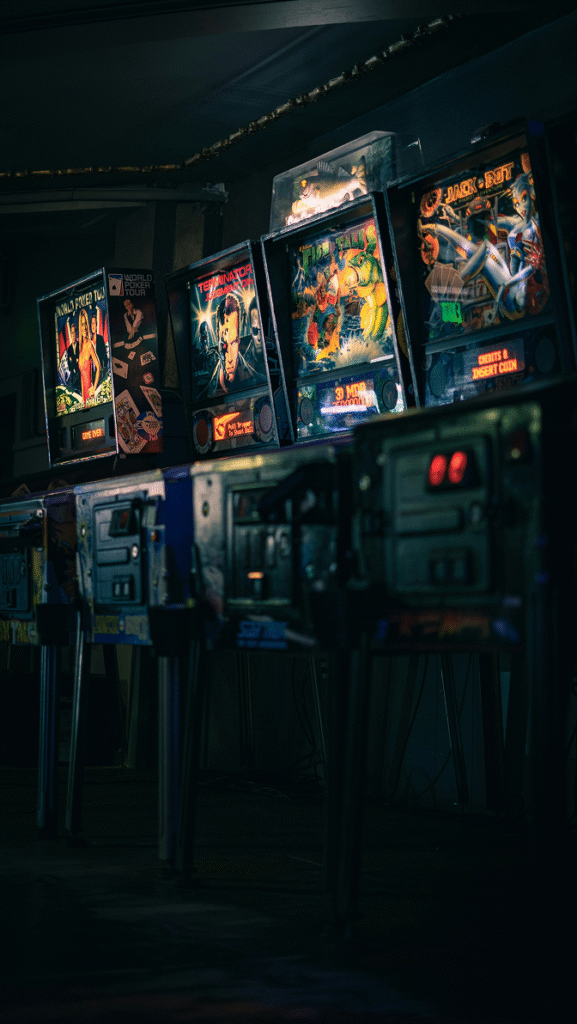
Cover Image
Pexels
Sources
Related Content
Recent News

HELP US BUILD GAMYVERSE
Your feedback, ideas, and passion create what we build next. Join the community and grow with us.
Help Create Gamyverse
Comments
(0)
Follow discussion
Newest
Oldest
Most Liked