

MSI unveils new 27-inch 4K OLED monitor with Inkjet printing!
MSI has unveiled a new 4K OLED monitor using inkjet printing, potentially opening the door to cheaper OLED displays.
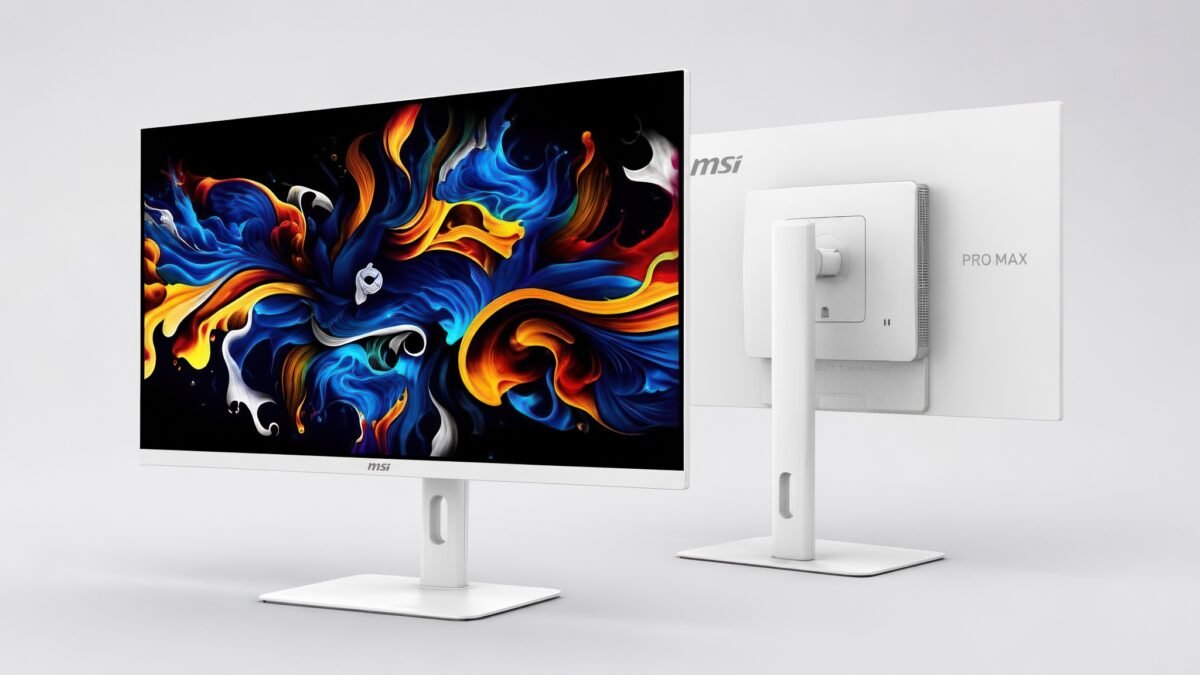
MSI has introduced a new 27-inch 4K OLED monitor that could offer a look at where OLED display technology is heading. The Pro Max OLED 271UPJW12 uses an inkjet printing process to produce its OLED panel, a method that could eventually help lower manufacturing costs and bring more competition to the market.
The name may sound complicated, but the main idea is fairly simple. Most OLED monitors currently use panels made by LG or Samsung, with both companies relying on traditional deposition methods to manufacture their displays. MSI's new monitor instead uses an inkjet printing process from TCL, which has been working to establish itself as another major player in the OLED display market.
Inkjet printing is potentially cheaper than traditional OLED manufacturing. If the technology can be produced efficiently at larger scales, it could eventually help manufacturers offer OLED monitors at lower prices.
The MSI Pro Max OLED 271UPJW12 is aimed more at professional users than gamers. It features a 27-inch 4K display with a 120Hz refresh rate and can reach up to 1,000 nits of peak brightness.
MSI is also highlighting the monitor's RGB stripe subpixel layout. According to the company, the structure is designed to look more like the traditional RGB layout found on LCD displays. This could help reduce color fringing, an issue that can sometimes be noticeable on OLED monitors, especially around small text and fine details.
The improved subpixel arrangement could make the monitor particularly useful for people who spend a lot of time working with text, graphics or other detailed content.
Color accuracy is another major focus. MSI says the display covers 99% of the DCI-P3 color gamut and offers a Delta E value of 2 or lower. That makes the monitor more suitable for professional work where accurate colors are important.
The 120Hz refresh rate is still fairly high, but this is not being positioned as a traditional gaming monitor. MSI's decision to focus on color accuracy and image quality rather than extremely high refresh rates suggests that the display is aimed more toward creators, designers and other professionals.
The monitor is also an interesting test for the future of inkjet-printed OLED panels. LG and Samsung currently dominate the OLED monitor market, so TCL's entry could give manufacturers another option when sourcing panels.
More competition could eventually benefit consumers. If inkjet printing proves to be cheaper and easier to scale, it could help bring OLED technology to more affordable monitors. However, it is still too early to know whether that will happen. There are also two important details MSI has not revealed yet: the monitor's release date and its price.
The company's Pro Max 271UPXW12G, which appears to be a QD-OLED model positioned alongside the new monitor, currently sells for around $700. If MSI can price the inkjet OLED significantly below that level, the new manufacturing process could become much more interesting.
That said, buyers should not expect a huge price cut immediately. Inkjet OLED technology is still relatively new for PC monitors, and early products often carry higher prices while manufacturers work to improve production.
OLED monitors have also become cheaper in general. Budget-focused shoppers can now find OLED displays in the $300 to $400 range, something that would have been difficult to imagine only a few years ago.
Because of that, MSI's new monitor will have to offer a competitive price to make a major impact. Still, its use of inkjet printing makes it worth watching. If the technology works as expected, it could give the OLED market another manufacturing option and potentially lead to more affordable displays in the future.
The name may sound complicated, but the main idea is fairly simple. Most OLED monitors currently use panels made by LG or Samsung, with both companies relying on traditional deposition methods to manufacture their displays. MSI's new monitor instead uses an inkjet printing process from TCL, which has been working to establish itself as another major player in the OLED display market.
Inkjet printing is potentially cheaper than traditional OLED manufacturing. If the technology can be produced efficiently at larger scales, it could eventually help manufacturers offer OLED monitors at lower prices.
The MSI Pro Max OLED 271UPJW12 is aimed more at professional users than gamers. It features a 27-inch 4K display with a 120Hz refresh rate and can reach up to 1,000 nits of peak brightness.
MSI is also highlighting the monitor's RGB stripe subpixel layout. According to the company, the structure is designed to look more like the traditional RGB layout found on LCD displays. This could help reduce color fringing, an issue that can sometimes be noticeable on OLED monitors, especially around small text and fine details.
The improved subpixel arrangement could make the monitor particularly useful for people who spend a lot of time working with text, graphics or other detailed content.
Color accuracy is another major focus. MSI says the display covers 99% of the DCI-P3 color gamut and offers a Delta E value of 2 or lower. That makes the monitor more suitable for professional work where accurate colors are important.
The 120Hz refresh rate is still fairly high, but this is not being positioned as a traditional gaming monitor. MSI's decision to focus on color accuracy and image quality rather than extremely high refresh rates suggests that the display is aimed more toward creators, designers and other professionals.
The monitor is also an interesting test for the future of inkjet-printed OLED panels. LG and Samsung currently dominate the OLED monitor market, so TCL's entry could give manufacturers another option when sourcing panels.
More competition could eventually benefit consumers. If inkjet printing proves to be cheaper and easier to scale, it could help bring OLED technology to more affordable monitors. However, it is still too early to know whether that will happen. There are also two important details MSI has not revealed yet: the monitor's release date and its price.
The company's Pro Max 271UPXW12G, which appears to be a QD-OLED model positioned alongside the new monitor, currently sells for around $700. If MSI can price the inkjet OLED significantly below that level, the new manufacturing process could become much more interesting.
That said, buyers should not expect a huge price cut immediately. Inkjet OLED technology is still relatively new for PC monitors, and early products often carry higher prices while manufacturers work to improve production.
OLED monitors have also become cheaper in general. Budget-focused shoppers can now find OLED displays in the $300 to $400 range, something that would have been difficult to imagine only a few years ago.
Because of that, MSI's new monitor will have to offer a competitive price to make a major impact. Still, its use of inkjet printing makes it worth watching. If the technology works as expected, it could give the OLED market another manufacturing option and potentially lead to more affordable displays in the future.
Cover Image
MSI
Sources
Indulge in More?
Perchance a Review






Join the Discussion!
Comments
(0)
Follow discussion
Newest
Oldest
Most Liked