Created by
Edgy and Omar
Date: 16/07/2026
WHAT HAPPENED TO POINT
& CLICK ADVENTURE
If asked what the biggest genres in gaming today are, most people would probably say shooters, RPGs, maybe even survival games. Point-and-click adventures probably would not cross their mind, and understandably so. The days when this genre was on everyone’s minds are long gone, and most gamers have probably never played one.
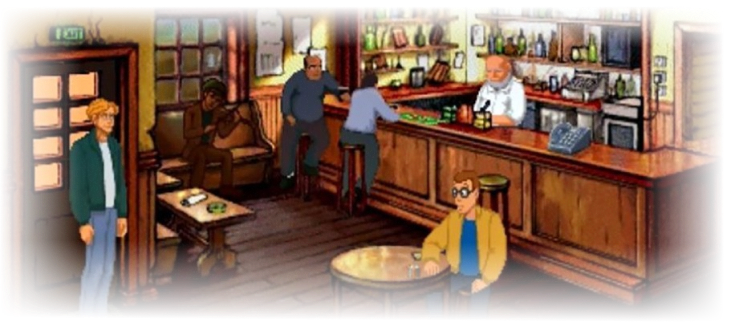
Whether you were sailing the Caribbean in The Secret of Monkey Island, going through time in Day of the Tentacle, uncovering conspiracies in Broken Sword, or making your way through the Land of the Dead in Grim Fandango, these games proved that
you didn’t need fast-paced action to keep players hooked.
A good story, memorable characters, and a few cleverly designed puzzles were enough. The genre is a lot quieter; new games still come out, but nowhere as common or as talked about. So, what actually happened? Did players simply move on, or was there more to the story?
MORE THEN CLICKING ON THINGS
Although the name is accurate to the game mechanics, it is actually more interesting than it sounds. In a way, “point-and-click” disregards the actual depth the genre has, and makes it sound like all you do is move your mouse around until something works. What actually kept people playing
was the adventure.
You meet weird characters and end up in strange places, filling your inventory with items that seem useless. Then an hour later, items would solve a problem you
had forgotten about. Sometimes it made perfect sense; other times not so much.
It wasn’t about having good aim or pulling off cool combos. It was about really paying attention. A random line of dialogue could be the clue you needed. An object sitting
in the background could be the answer to
the next puzzle.
Games like Broken Sword, Sam & Max Hit the Road, and Day of the Tentacle always rewarded that kind of curiosity, and that’s why people still remember them today.

THE GOLDEN AGE OF POINT
& CLICK ADVENTURE
During the late ‘80s and even throughout the ‘90s, point-and-click adventures were everywhere. Studios like LucasArts and Sierra were making one successful game after another and constantly trying to
outdo each other.
One month you would be laughing your way through Day of the Tentacle, and the next you are solving murder mysteries or trying
to become the world’s most incompetent pirate. It felt like there was always another adventure waiting right around the corner.
HARD TO FORGET
Clicking was not what made all these games very enjoyable. It was everything around it. Seeing what happens next. Every area had
a new puzzle to solve, another character to meet, and another part of the story that made you want to know more.
It is easy to see why these games are so memorable. They had interesting twists, distinctive style, and characters that are hard to forget.

THE TURNING POINT
To those who were around during the golden years of the genre, its decline must have felt strange. It was everywhere, and then little by little, they ceased being the games everyone was talking about. It was not because one terrible game suddenly killed the genre,
and it didn’t happen overnight.
The industry changed, and technology was moving forward, and players were starting
to expect more and more from the games they played. Point-and-click adventures found themselves in a world that was quickly changing around them,
and just couldn’t keep up.

FALLING OUT OF FAVOR
By the time when point & click adventures peaked, gaming as a whole was starting to change. New hardware made bigger worlds, real-time combat, and 3D games possible, and that is where all the attention went. Players wanted to see what the technology could do, and developers wanted to be
the ones to deliver it.
That did not leave a lot of space for a genre that built its identity around slow gameplay and handcrafted puzzles. The genre just did not have the same “wow” factor as the fully 3D games. As more studios shifted their attention to genres that could make use
of the latest hardware, point-and-click games slowly started to fade away.
BUILD THE SAME
As gaming evolved, point & click adventures never abandoned what made them popular. They still focused on story, exploration, and puzzles. This game loop made players slow down and think. But for everyone else that felt harder to get into. Some of that came down to the puzzles themselves.
It wasn’t very unusual to spend hours stuck because you missed a tiny detail or forgot about an item. That was simply part of it, but as games became faster, that kind of experimentation became a much tougher sell. Especially for players who had plenty
of releases competing for their attention.
THE RETURN OF ADVENTURE
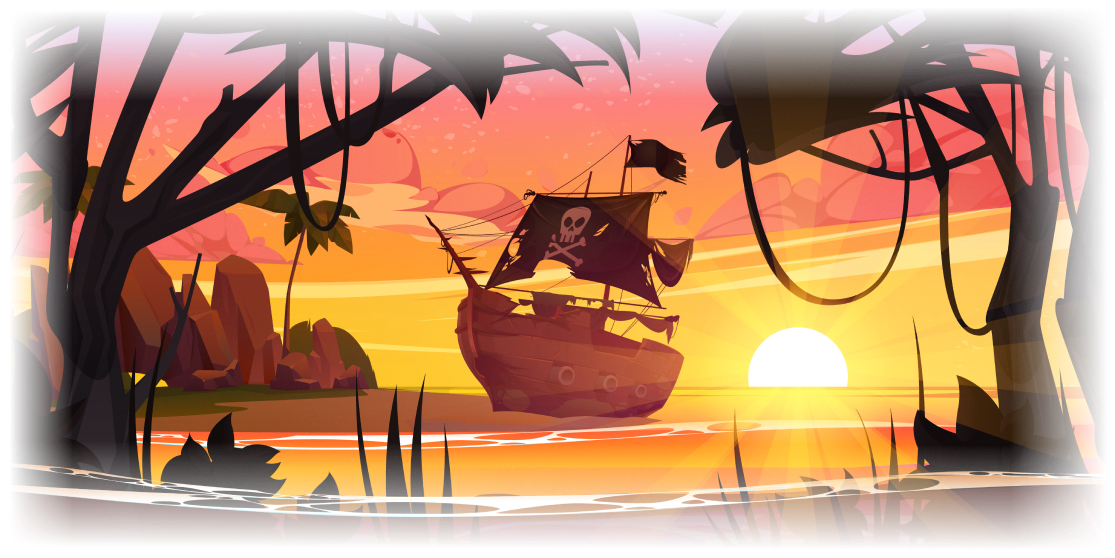
It is so easy to completely miss the releases
of point-and-click adventures, as we barely
have time to follow up on the big releases. They are no longer the games that dominate showcases.
Most big publishers aren’t too interested in the genre. For a while, it felt like the genre had just quietly faded into the background, but reality is a little different.

NEW GENERATION OF ADVENTURE
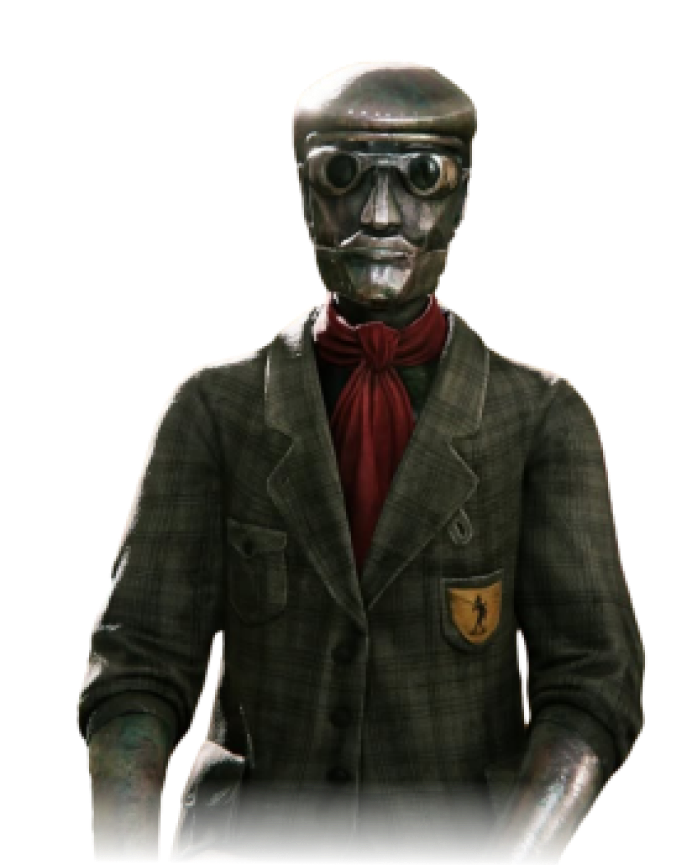
While they are not being made on the same scale, it doesn’t mean they were abandoned altogether. Games like Unavowed, NORCO, and The Excavation of Hob’s Barrow proved there is still an audience for well-written adventures.
RETURNING TO MONKEY ISLAND
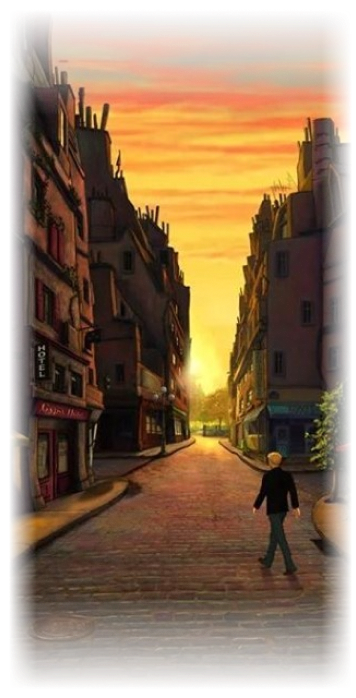
One of the biggest surprises was the release of Return to Monkey Island. Seeing one of the biggest names in the genre return all these years later reminded a lot of people why they fell in love in the first place.

Even if the audience is much smaller than it used to be. And recently, The Drifter showed that developers are still finding new ways to tell stories without losing what made those classic point & click adventures interesting.
It also proved that the genre does not need to become mainstream again to succeed,
as long as developers keep making great adventures. There will always be people ready to enjoy them.
ADVENTURE AWAITS
It is a lot less dramatic than people think. Point & click adventures didn’t disappear; Just ceased being the center of attention. While the rest of the industry moved on towards bigger budgets, the genre found
a smaller audience that never stopped supporting it.
It may never reach the same height it once did, but that’s okay. New games are still being made, old classics are still finding
new players, and as long as there are
people who enjoy a good story and a
clever puzzle, there will always be an adventure waiting.


If you enjoyed this article and you are interested in story-driven games with memorable characters and immersive worlds, be sure to check out this article exploring the world of visual novels.