
City council introduces micro-transaction traffic lights, allowing pedestrians to outbid drivers for green signals.
Walking to work just became a competitive sport for high-frequency traders. Under the new "Pay-To-Pave" initiative, green lights are awarded in real-time to whichever street corner collects the highest pooled bid within a thirty-second auction window.
The Department of Transportation launched "CrossPay" across forty major downtown intersections this morning. Officials claim the dynamic pricing model optimizes pedestrian flow by ensuring that only those with urgent, high-value destinations cross the street first. Unfunded commuters are encouraged to wait for off-peak hours or save money by joining group bidding syndicates.
The system relies on near-field communication pads installed on curb edges alongside a mobile application. Pedestrians tap their phones to contribute micro-payments ranging from fifty cents to five dollars toward the current signal cycle. If a luxury sports car on the intersecting road bids ten dollars to maintain its green light, pedestrians must pool their funds to outbid the vehicle or remain stationary.
Early statistics indicate that financial district intersections generated over sixty thousand dollars before noon. Meanwhile, crosswalks near community centers and public libraries logged average pedestrian wait times exceeding four hours. Municipal leaders praised the revenue generation as an unprecedented triumph for city infrastructure funding.
The system relies on near-field communication pads installed on curb edges alongside a mobile application. Pedestrians tap their phones to contribute micro-payments ranging from fifty cents to five dollars toward the current signal cycle. If a luxury sports car on the intersecting road bids ten dollars to maintain its green light, pedestrians must pool their funds to outbid the vehicle or remain stationary.
Early statistics indicate that financial district intersections generated over sixty thousand dollars before noon. Meanwhile, crosswalks near community centers and public libraries logged average pedestrian wait times exceeding four hours. Municipal leaders praised the revenue generation as an unprecedented triumph for city infrastructure funding.
High-Frequency Walking Takes Over Downtown.
Local hedge fund analysts have already begun exploiting algorithmic arbitrage at major crosswalks. Automated trading bots programmed by junior associates now buy up pedestrian crossing rights in bulk during low-demand periods. These rights are then resold at a markup to frantic tourists attempting to reach dinner reservations.
The physical reality on the ground has quickly adjusted to the new economic framework. Groups of pedestrians can be seen huddled on corners, frantically negotiating pooled bids via shared payment apps while staring down oncoming bus drivers. A burgeoning black market for "crosswalk loans" has reportedly emerged among stranded university students.
Transit authorities defended the system against growing public frustration by pointing out its inherent fairness. A spokesperson noted that the free market always reflects true human priorities without emotional bias. Those who lack the capital to cross Fifth Avenue simply do not want to reach the other side badly enough.
The physical reality on the ground has quickly adjusted to the new economic framework. Groups of pedestrians can be seen huddled on corners, frantically negotiating pooled bids via shared payment apps while staring down oncoming bus drivers. A burgeoning black market for "crosswalk loans" has reportedly emerged among stranded university students.
Transit authorities defended the system against growing public frustration by pointing out its inherent fairness. A spokesperson noted that the free market always reflects true human priorities without emotional bias. Those who lack the capital to cross Fifth Avenue simply do not want to reach the other side badly enough.
Image CreditaLgivari Rizch
People, Being people, as they are people. cuz they are people of people for the people by the people to the people.
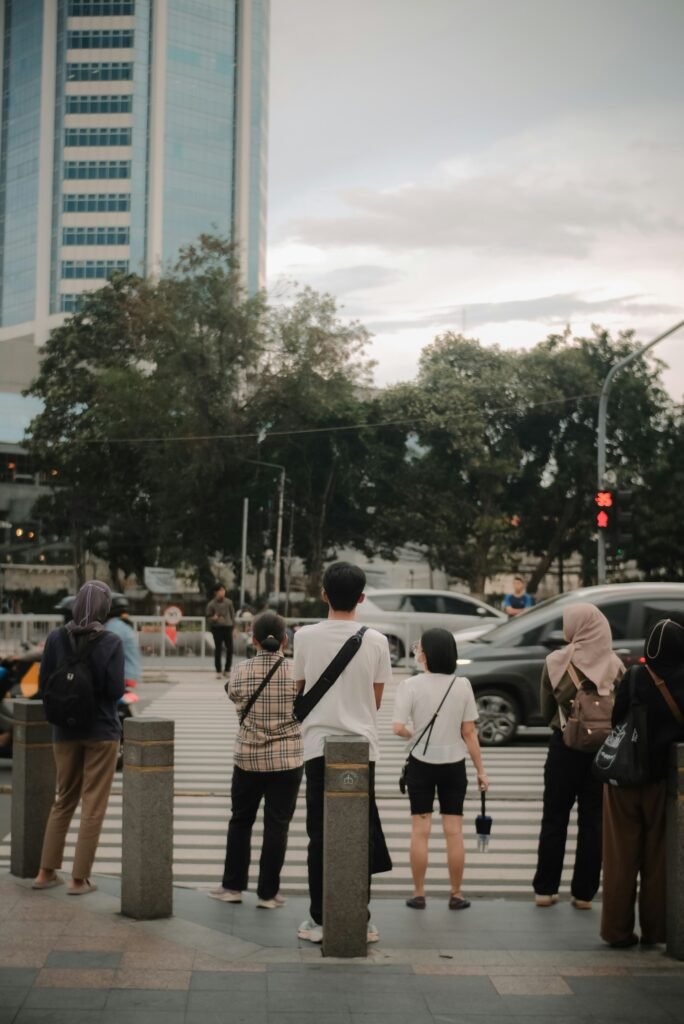
"I spent forty-two dollars just to buy groceries across the street today. On the bright side, I managed to short-sell a commuter's green light to a delivery truck, so I broke even."
Marcus Sterling, Downtown Resident & Day Trader
Humans and Our Humanity
Drivers have adapted to the economic landscape with equal fervor and financial aggressiveness. Wealthier motorists have set up automated recurring bids to guarantee continuous green corridors across the entire city center. This has resulted in several lower-income neighborhoods becoming effectively isolated from motor traffic altogether.
Emergency services have been granted priority bidding status, though they still face occasional logistical delays. Last Tuesday, an ambulance carrying a patient was outbid for ninety seconds by a corporate limousine carrying executives to a steakhouse. The city council is currently reviewing whether emergency vehicles should receive subsidized surge pricing options.
Environmental groups have raised mixed opinions regarding the overall footprint of the initiative. While vehicle idling has decreased among drivers willing to pay premium rates, pedestrian energy expenditure has spiked dramatically. Medical clinics report a sharp increase in calf strains from people sprinting across six lanes of traffic before a five-second surge window expires.
Emergency services have been granted priority bidding status, though they still face occasional logistical delays. Last Tuesday, an ambulance carrying a patient was outbid for ninety seconds by a corporate limousine carrying executives to a steakhouse. The city council is currently reviewing whether emergency vehicles should receive subsidized surge pricing options.
Environmental groups have raised mixed opinions regarding the overall footprint of the initiative. While vehicle idling has decreased among drivers willing to pay premium rates, pedestrian energy expenditure has spiked dramatically. Medical clinics report a sharp increase in calf strains from people sprinting across six lanes of traffic before a five-second surge window expires.
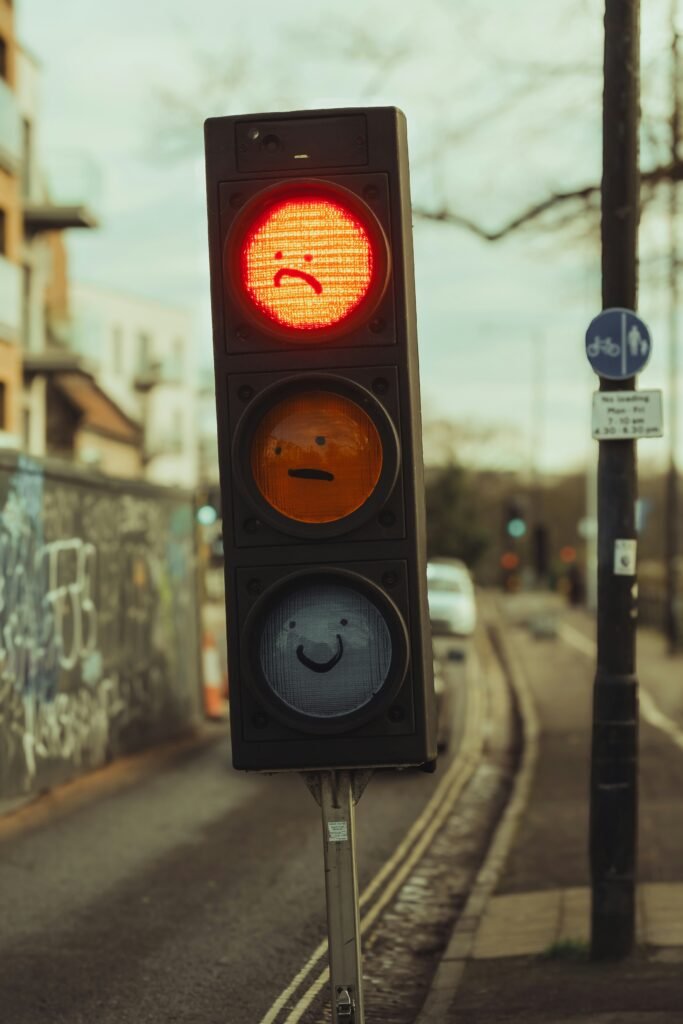
Image Credit: Nik
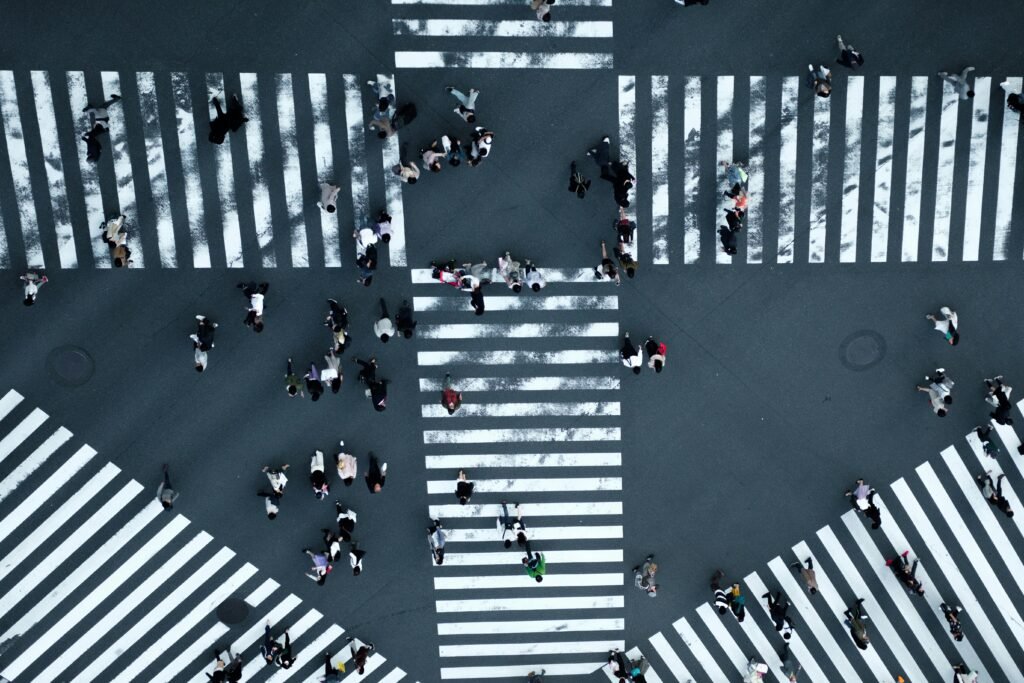
Image Credit: Sora Sagano
City officials are already planning the rollout of Phase Two for early next spring. Proposed features include dynamic sidewalk tolling, where faster walkers can pay a surcharge to access dedicated express lanes. Strollers and double-wide wheelchairs will be subject to heavy-vehicle oversize cargo fees.
International observers are watching the pilot program closely to see if urban mobility can be entirely monetized. Several foreign capitals have expressed interest in licensing the software, though local laws regarding basic human movement present minor regulatory hurdles. Developers remain confident that enough lobbying capital can smooth over any ethical objections.
For now, the city’s residents continue to navigate the monetized maze of asphalt with grim determination. Walking to a local coffee shop has officially joined tax preparation on the list of complex daily financial chores. As long as the market remains open, the green light belongs strictly to the highest bidder.
International observers are watching the pilot program closely to see if urban mobility can be entirely monetized. Several foreign capitals have expressed interest in licensing the software, though local laws regarding basic human movement present minor regulatory hurdles. Developers remain confident that enough lobbying capital can smooth over any ethical objections.
For now, the city’s residents continue to navigate the monetized maze of asphalt with grim determination. Walking to a local coffee shop has officially joined tax preparation on the list of complex daily financial chores. As long as the market remains open, the green light belongs strictly to the highest bidder.
"Free movement was an outdated, inefficient relic of the twentieth century. Now, every step has quantifiable market value, which makes getting caught in traffic feel like a deliberate investment choice."
Dr. Aris Thorne, Director of Urban Monetization Studies
Cover Image
Photo by Emre Ucar on Unsplash