
Stores are dying?
Not this one!
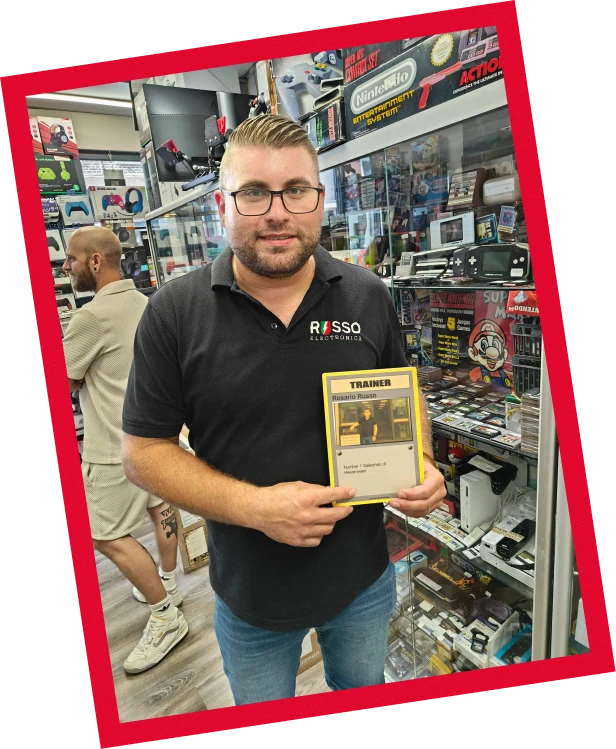
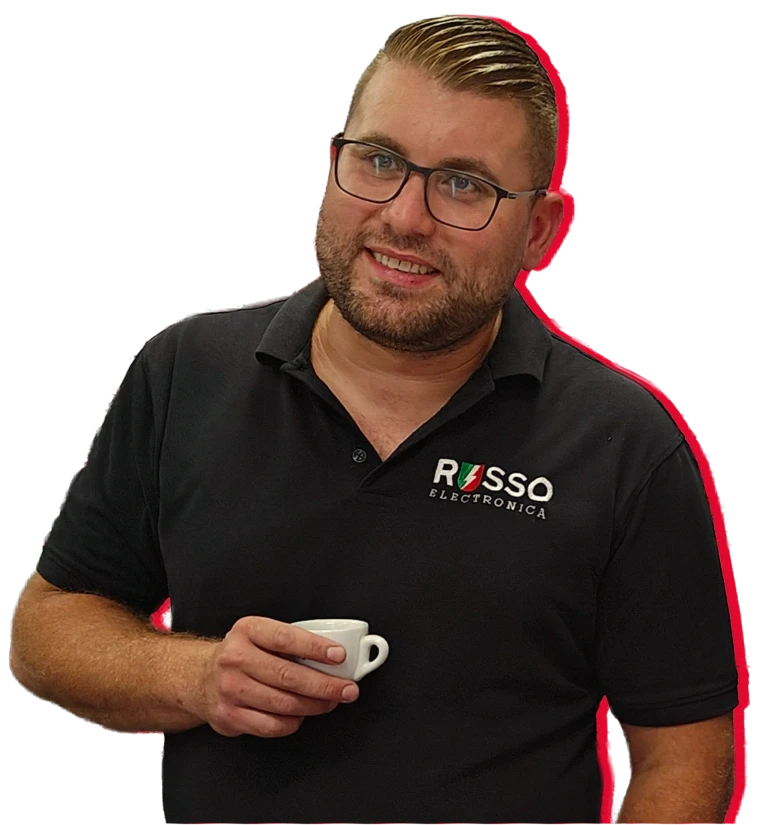
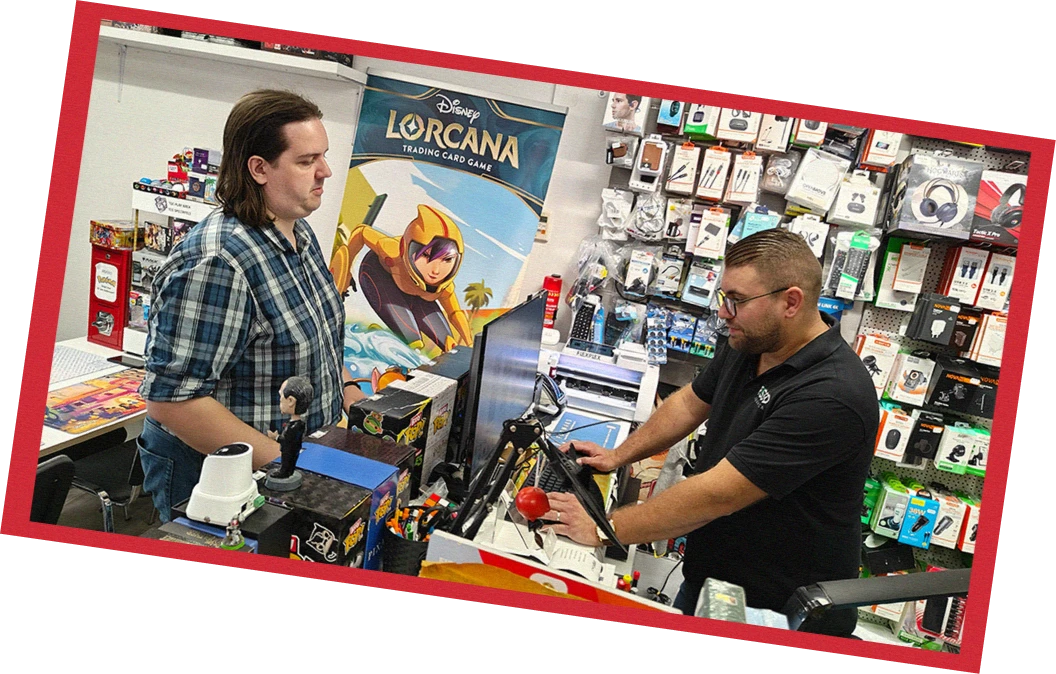
For many gamers, a physical game is more than just a way to play. It’s something to own, collect, and display. Russo, who runs a (retro-)gaming and electronics store in Heerenveen
in The Netherlands, and is a collector himself, has witnessed firsthand how concerns about the future of physical games are affecting customers. How do games affect his life? How does he handle the
current events? And how big of an impact is he making in the area? These are a couple of
the things we dive into with the interview that we have with Russo.
Yeah, that’s one of the dumbest mistakes they could make. I have a lot of customers who say it simply can’t happen. They really don’t like the idea. I have many collectors who come into the shop, and they absolutely hate it. They don’t think it’s acceptable. I hope Sony sticks with physical media and that no other companies follow their lead. Otherwise, it could mean the end of selling physical
games. People are genuinely upset about it. I think it’s terrible myself. I don’t agree with it either, but unfortunately there’s very little I can do. They’ve announced it now, but I still hope they’ll change their minds—that it won’t actually become reality. From what I understand it’s official, but we have to do something. What I’ve noticed is that ever since
Sony made that announcement, we’re suddenly selling far more games. People are thinking, “What if they disappear?” or “What if we can’t buy them anymore?” So everyone is stocking up. I can clearly see that happening in the shop. I absolutely don’t agree with what Sony is doing, because I’m a collector myself.
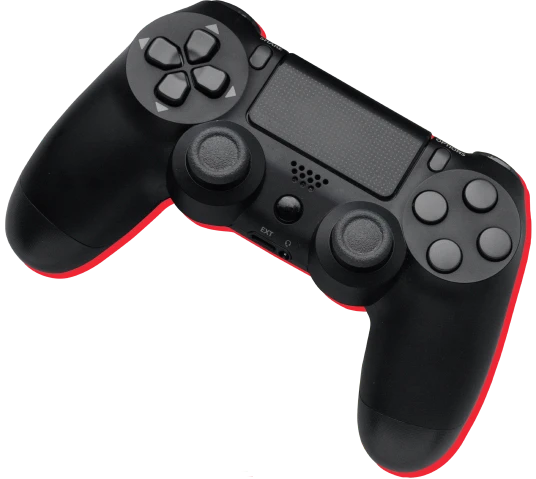
"Video games" are about much more than just being online. The physical side of gaming is especially important. Take the latest news for example, there is talk about that the physical game discs will stop being produced.
“I absolutely don’t agree with no physical games, because I’m a collector myself.”
What exactly do you collect?
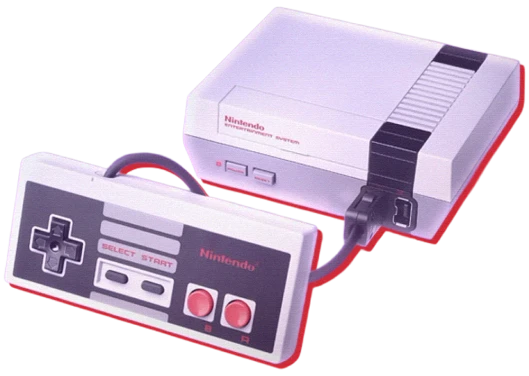
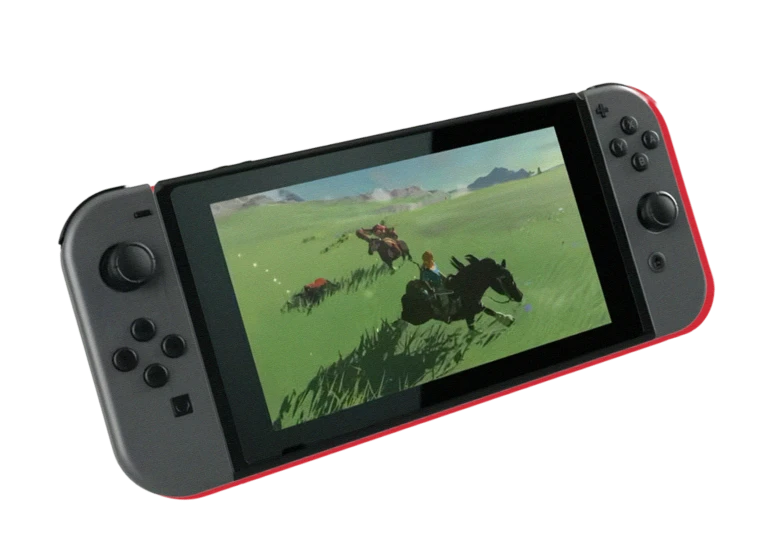
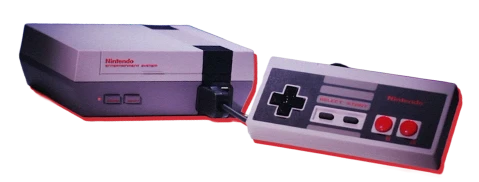
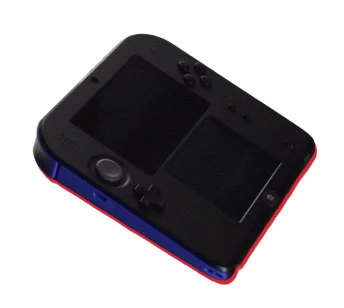
I mainly collect retro games: Super Nintendo, NES, Game Boy, Nintendo DS—you name it. Anything with the Nintendo name on it, I love it. It goes straight into my collection. I especially collect iconic games, like The Legend of Zelda, Pokémon, and Mario. I just love having everything.
Everything you see here in the shop, I basically have at home too: a beautiful attic filled with it all. I could practically open a second store with my collection if I wanted to—but it’s for me. Sometimes I just get up, go upstairs, grab a chair, and sit there looking at everything.
I can spend half an hour just staring at it all. I’ll pick things up, hold them, look at them. It gives me this incredible feeling of nostalgia. I’m even getting goosebumps talking about it now. It’s just so beautiful. I absolutely love it. And that’s exactly the feeling I try to give the customers who come here.
How do youdo that?
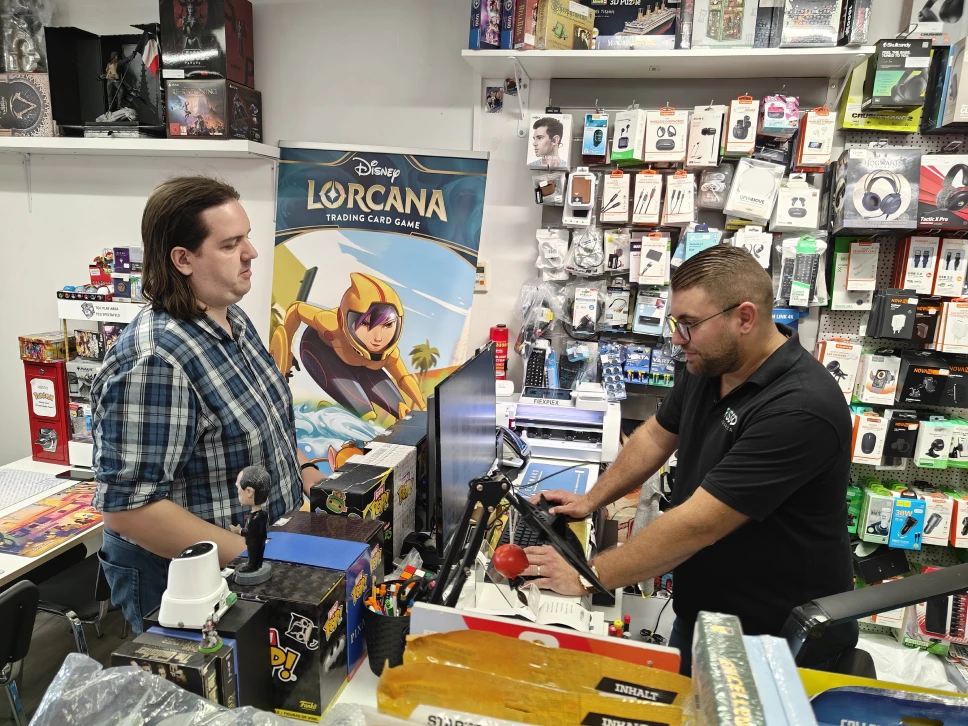
The person behind the counter has to be passionate about what they do. Otherwise people will simply buy everything online—and that’s exactly what we don’t want. I have customers who willingly pay €10 or €20 more here than they would online, simply because they prefer supporting us. It’s about goodwill and personal connection. I appreciate that enormously, and I always thank them for it.
I’m a very social person. I love having people around me. People come into the store and I say, “Good morning!” Then I get a feel for them and ask, “How are you?” They often look surprised, almost wondering, “Why are you asking how I am?” They don’t actually say that, but you can see it. I see so many people come
into the shop who are grumpy or upset. Then they say, “It’s so nice that you asked.”A conversation starts, and you can almost see them think, “Wow.” The next time, they come back again. That’s something we have to preserve. These days people are often very isolated. We need to prevent that.
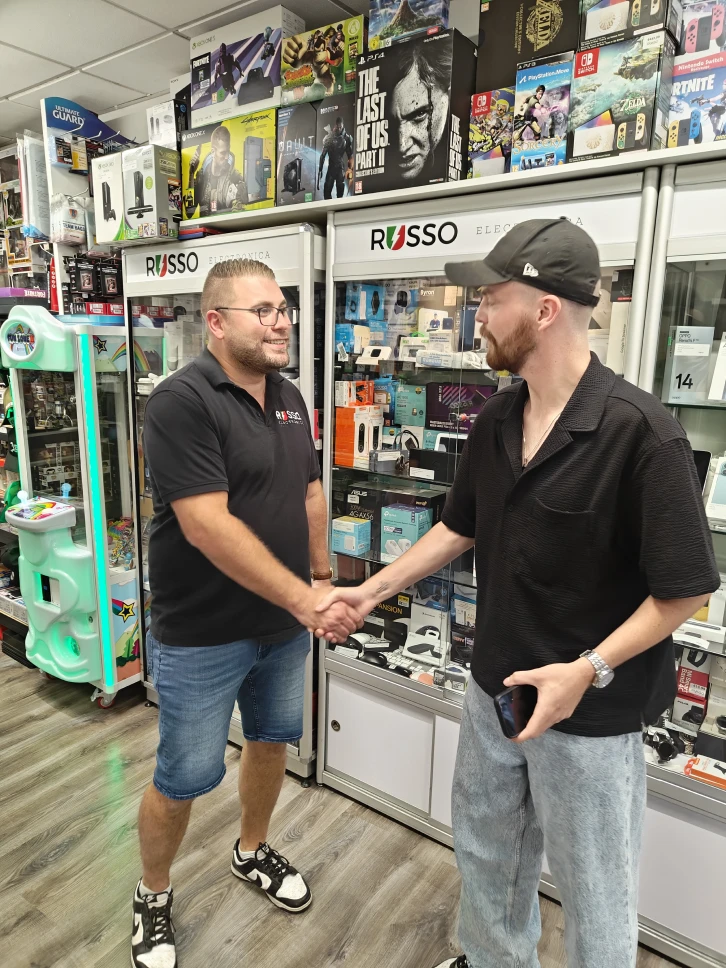
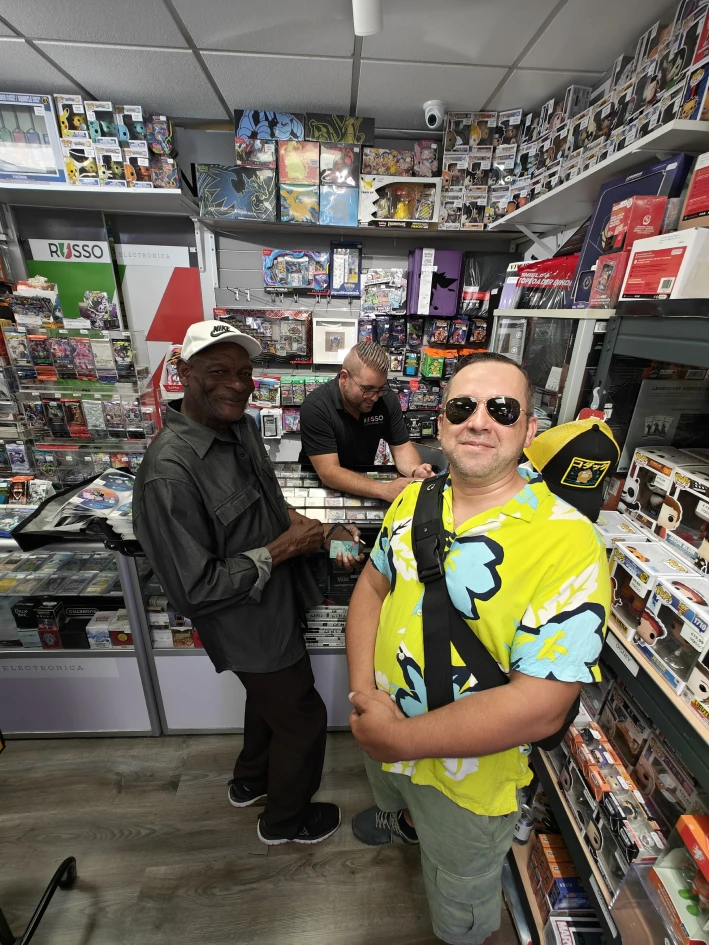
Above all, just be yourself. That’s important. Don’t pretend to be someone you’re not. Just be genuine, have a nice conversation—that’s enough. There are people who try to copy me. I know other people here in Heerenveen who try.
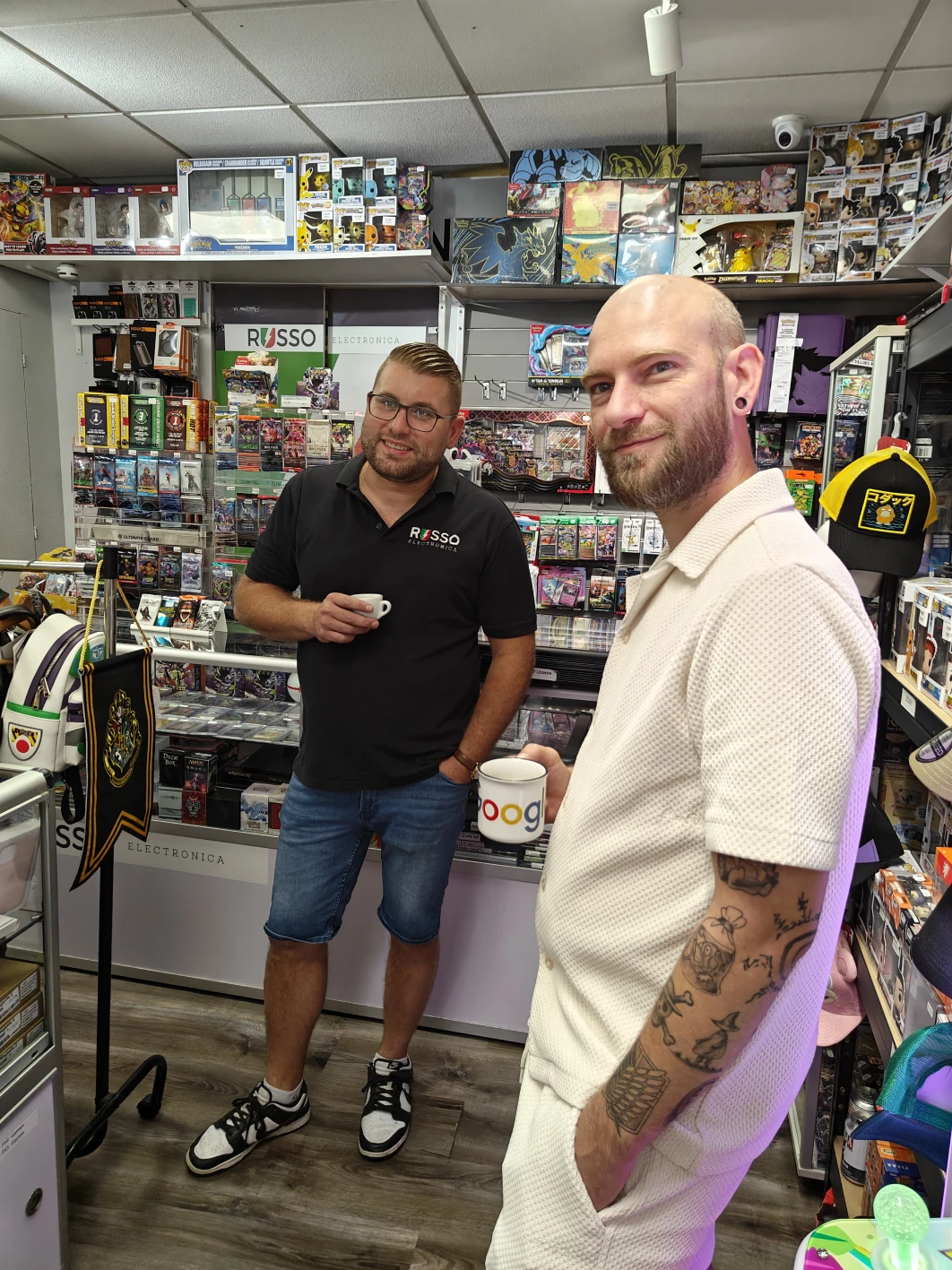
The person behind the counter has to be passionate about what they do. Otherwise people will simply buy everything online—and that’s exactly what we don’t want. I have customers who willingly pay €10 or €20 more here than they would online, simply because they prefer supporting us. It’s about goodwill and personal connection. I appreciate that enormously, and I always thank them for it.
Above all, just be yourself. That’s important. Don’t pretend to be someone you’re not. Just be genuine, have a nice conversation—that’s enough. There are people who try to copy me. I know other people here in Heerenveen who try. They can copy
my products. They can buy the same stock. They can sell the same things. But there’s one thing they can never copy: me. In the end, I am the product. The main product is you as a person. Nobody can take that away from you. That’s what makes you unique, and that’s why it’s so important to always be yourself. People can imitate everything else, but they’ll never be able to imitate you as a person.
There’s only one of you. Unless I happen to have a twin brother somewhere—which I don’t think I do. That’s the most important lesson: You are the main product. There’s only one Russo.
“You are the main product. There’s only one Russo.”
Speaking of yourself... at some point you had to start somewhere. Can you tell us about that?
When I came to the Netherlands, I was about twelve or thirteen years old. I moved here from Sicily, in Italy. My parents brought me here to give me a better future. I’m incredibly grateful for that, especially to my mother, who fought to make it happen. My mother and my stepfather moved here together, and they still live in Spijkenisse.
I had a neighbor who worked at the local recycling center—the place where people brought their waste. One day he saw me fixing my own bicycle and asked, “Russo, could you repair the tire on my bike?” I said, “Sure.” When he opened his shed, I saw all these old game consoles lined up: Super Nintendo, NES systems…
there were also old laptops. That’s actually where my passion for repairing laptops and phones began. I saw all that and thought, Wow,
this is amazing. So I asked him, “Could I take a look at some of this too? I’d like to try repairing it.” I was just a little kid—I didn’t know anything yet. He said, “Go ahead. Take whatever you want.” That’s really where it all started: my passion for taking things apart, figuring out how they worked, and discovering games.
Take the Super Nintendo, for example. I became curious: What games does this play? What exactly is this? I didn’t know much about it, so I started researching it. I bought a few games to test things out. That’s when I realized, “Wow… this is awesome.” Unfortunately, my parents weren’t wealthy, so I didn’t have many game consoles growing up.
As a child I mostly played outside. But that’s where my passion truly began. On King’s Day I would go hunting for
treasures at flea markets. Back then, everything was still affordable. I still remember finding a copy of Mario Kart 64 for just €5. You’d never find that today—unless you were incredibly lucky. I started playing it, learning more about retro games, and diving deeper into the hobby. An entire world opened up for me.
Eventually, when I was around eighteen years old, I met my wife. That’s what brought me here—from Rotterdam all the way to Heerenveen. At first it was difficult. I had grown up in a busy city and was living there in a small room with a friend. But moving here turned out to be the best decision I’ve ever made. Of course, when you’re young, you
don’t realize that yet. I’m incredibly happy with the people I’ve met here and the life I’ve built.