








AI-Assisted: This article was created with the assistance of artificial intelligence and reviewed by human editors.
Veteran game designer Warren Spector, best known for creating Deus Ex, has announced his retirement from the games industry after nearly 44 years of work across tabletop and video games. Spector shared the news on LinkedIn, explaining that after spending much of his career considering retirement, he has finally decided that the time is right to step away.
Spector's career began in tabletop role-playing games, working for Steve Jackson Games and TSR before entering the video game industry in 1989 with Origin Systems. There, he worked on influential titles including Ultima VI: The False Prophet, Wing Commander, Ultima Underworld, System Shock, and Ultima VII Part Two: Serpent Isle. His work on Ultima Underworld helped establish many of the ideas that would eventually define the immersive sim genre, combining systemic worlds with player freedom and choice.
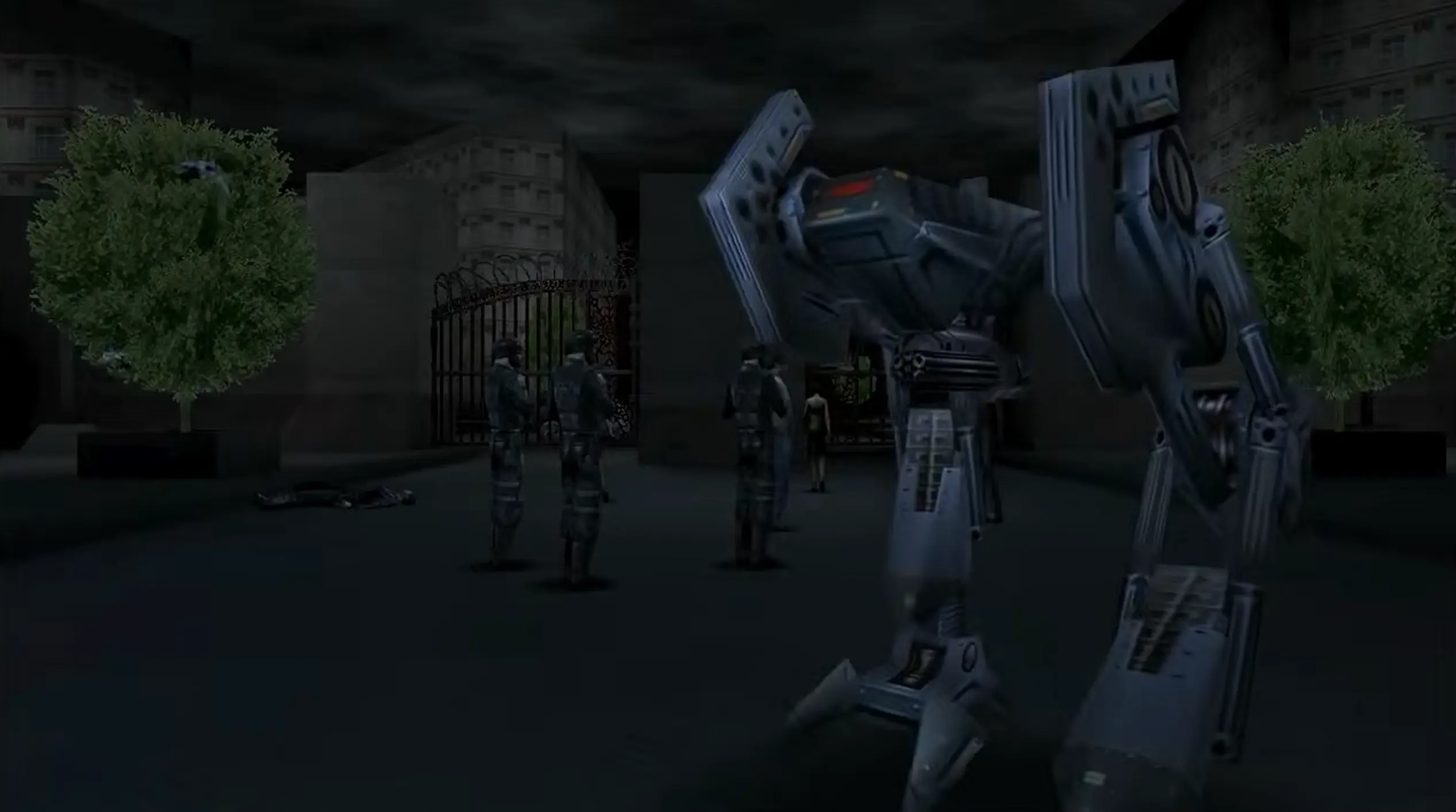
After working with Looking Glass Studios, Spector joined Ion Storm Austin in 1997, where he directed his most famous project, Deus Ex. Released in 2000, the game blended first-person shooting, RPG progression, and immersive-sim systems while allowing players to approach situations in dramatically different ways. It became one of the most influential PC games of its era and cemented Spector's reputation as one of the industry's most important designers.
Spector later oversaw Deus Ex: Invisible War and Thief: Deadly Shadows before leaving Ion Storm in 2004. He subsequently founded Junction Point Studios, which was acquired by Disney Interactive and went on to create Epic Mickey in 2010. The Wii game offered a darker reinterpretation of Disney's classic characters and was followed by Epic Mickey 2: The Power of Two in 2012.
His career continued through teaching and another major development role at OtherSide Entertainment, where he served as Chief Creative Officer and Game Director. His later work included Underworld Ascendant and the long-delayed System Shock 3, before most recently contributing to the co-op stealth game Thick as Thieves.
Spector acknowledged that the decision to retire was influenced partly by changes in the games industry and a decline in how much he personally enjoyed the work. At the same time, he expressed excitement about the developers coming after him, arguing that games remain an unfinished creative medium with plenty of room for experimentation.
Rather than disappearing completely, Spector plans to spend more time writing, reading, lecturing, and potentially consulting. He also left open the possibility of returning to game development someday, though his message made clear that retirement is his current plan.
After four decades, Spector leaves behind a remarkable body of work spanning RPGs, immersive sims, action games, and experimental projects. From Ultima Underworld and System Shock to Deus Ex and Epic Mickey, his influence can still be seen throughout modern game design. His retirement may mark the end of his regular involvement in development, but the ideas he helped popularize are likely to remain part of the medium for decades to come.
Spector's career began in tabletop role-playing games, working for Steve Jackson Games and TSR before entering the video game industry in 1989 with Origin Systems. There, he worked on influential titles including Ultima VI: The False Prophet, Wing Commander, Ultima Underworld, System Shock, and Ultima VII Part Two: Serpent Isle. His work on Ultima Underworld helped establish many of the ideas that would eventually define the immersive sim genre, combining systemic worlds with player freedom and choice.
After working with Looking Glass Studios, Spector joined Ion Storm Austin in 1997, where he directed his most famous project, Deus Ex. Released in 2000, the game blended first-person shooting, RPG progression, and immersive-sim systems while allowing players to approach situations in dramatically different ways. It became one of the most influential PC games of its era and cemented Spector's reputation as one of the industry's most important designers.
Spector later oversaw Deus Ex: Invisible War and Thief: Deadly Shadows before leaving Ion Storm in 2004. He subsequently founded Junction Point Studios, which was acquired by Disney Interactive and went on to create Epic Mickey in 2010. The Wii game offered a darker reinterpretation of Disney's classic characters and was followed by Epic Mickey 2: The Power of Two in 2012.
His career continued through teaching and another major development role at OtherSide Entertainment, where he served as Chief Creative Officer and Game Director. His later work included Underworld Ascendant and the long-delayed System Shock 3, before most recently contributing to the co-op stealth game Thick as Thieves.
Spector acknowledged that the decision to retire was influenced partly by changes in the games industry and a decline in how much he personally enjoyed the work. At the same time, he expressed excitement about the developers coming after him, arguing that games remain an unfinished creative medium with plenty of room for experimentation.
Rather than disappearing completely, Spector plans to spend more time writing, reading, lecturing, and potentially consulting. He also left open the possibility of returning to game development someday, though his message made clear that retirement is his current plan.
After four decades, Spector leaves behind a remarkable body of work spanning RPGs, immersive sims, action games, and experimental projects. From Ultima Underworld and System Shock to Deus Ex and Epic Mickey, his influence can still be seen throughout modern game design. His retirement may mark the end of his regular involvement in development, but the ideas he helped popularize are likely to remain part of the medium for decades to come.
Cover Image
Deus Ex
Sources
Related Content

Recent News

HELP US BUILD GAMYVERSE
Your feedback, ideas, and passion create what we build next. Join the community and grow with us.
Help Create Gamyverse
Comments:
0
Sort by:
Newest