




Comics and the art of storytelling in Games
I remember coming back from school one day, passing by a bookstore; I saw that they had Detective Conan in a cartoon magazine. While I already knew the show from TV, I was still curious to see more.
I went inside, opened it, and it was just a bunch of different comics from a variety of shows. That was my earliest memory of comic books.
Not long after, I started watching Naruto and Attack on Titan, like many Japanese shows; the anime was slightly behind
the manga. So whenever it ended on a cliffhanger, we would rush to the manga.
Just like video games, comic books were a big part of our childhood, and today we will dig deep into how comics started and what impact they had on video games.
When Comic Book Storytelling Met Video Games
During the 1980s, the limited technology shaped the way video games expressed their stories, making titles like Pac-Man and Donkey Kong rely heavily on simple gameplay. Their stories were usually brief and presented as a plain block of text or in a separate attached manual.
It was hard for game developers to create in-game stories that would resonate well with the audience. Reading a large wall
of text is never exciting for most people. This is where comic book storytelling techniques became a handy tool to improve the overall player experience.

The techniques used were mainly Pacing and Character Development alongside Visual Storytelling and Cinematic design. These techniques were then introduced to the gaming world to help the player feel more connected and emotionally invested in the game.

Visual Storytelling and Cinematic Design
In comics, artists rely on dynamic panel layouts, extreme close-ups, and dramatic lighting to convey the action and mood of a certain moment without needing to use dialogue. Video game studios soon realized that adopting these storytelling techniques would make their world feel more alive and immersive for the players.
You can see this influence in games such as Max Payne, which completely replaces traditional animated cutscenes with graphic panels and voiceovers.
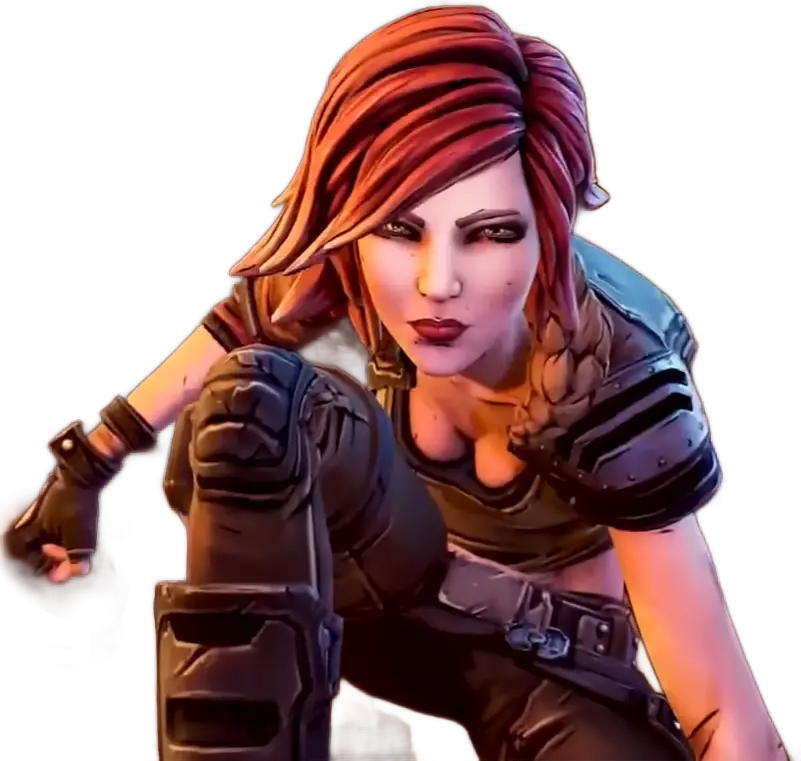
Titles like Borderlands or The Wolf Among Us adopted a comic book-inspired art style, such as shaded graphics and a vibrant colour palette, to make players feel like they are navigating a world in
a comic book.
Pacing and Character Developments
The use of cliffhangers for pacing and chapter-based storytelling was taken straight from the comic books as a method to develop the characters.
Many modern games separate their stories into acts or chapters that
end with important revelations or dramatic moments in the story.
This keeps players motivated and eager to continue playing, like a comic reader eagerly waiting for the next episode to be released. This can be seen in games
Such as The Last of Us, God of War, and Expedition 33, where the pace shifts between intense action and emotional moments in the story.



The Rise of Episodic Storytelling Games
While the blueprint for pacing came from comic books, the gaming industry figured out that these narrative techniques could be applied to original titles without comic backgrounds for better storytelling.
These were episodic storytelling games that changed how players experienced narrative-driven games and officially introduced a new genre of games.
By breaking down dense, heavy plots into small episodic chapters, games were able to keep players captivated for weeks on end and sometimes could take up a few months to release the full episodes.
This structure, combined with branching narratives that offered multiple distinct endings, is perfectly exemplified in
the recent release Dispatch.
Dispatch
A recent standout release of this format is a choice-driven hero game, Dispatch. Instead of dumping the entire story at once or making players wait for months between episodes, they decided to release the 8-episode season weekly.
They launched with two episodes at first, followed by new chapters dropping every Wednesday over the course of a month. This approach simulated the experience of a comic reader visiting a local shop every week to pick up the next chapter.
Each episode had a dramatic cliffhanger that had players on a hook and waiting for the next episode. The studio created a shared community experience where players debated online about how their decisions could impact the next episode.
Dispatch proved that the structure of pacing directly from comics publishing could make a video game release feel like a recurring cultural event. You can find our full review of Dispatch from our team here.


Telltale Games
When it comes to story telling-focused game play, Telltale Games is the most well-known name in the game industry. They have built their whole identity around releasing episodic story-driven games, much like comic books in terms
of storytelling and even artistic choices.
Known titles were Batman and The Wolf Among Us. Some of these titles already had a fan base, which makes them more willing to embrace a new way of gaming.
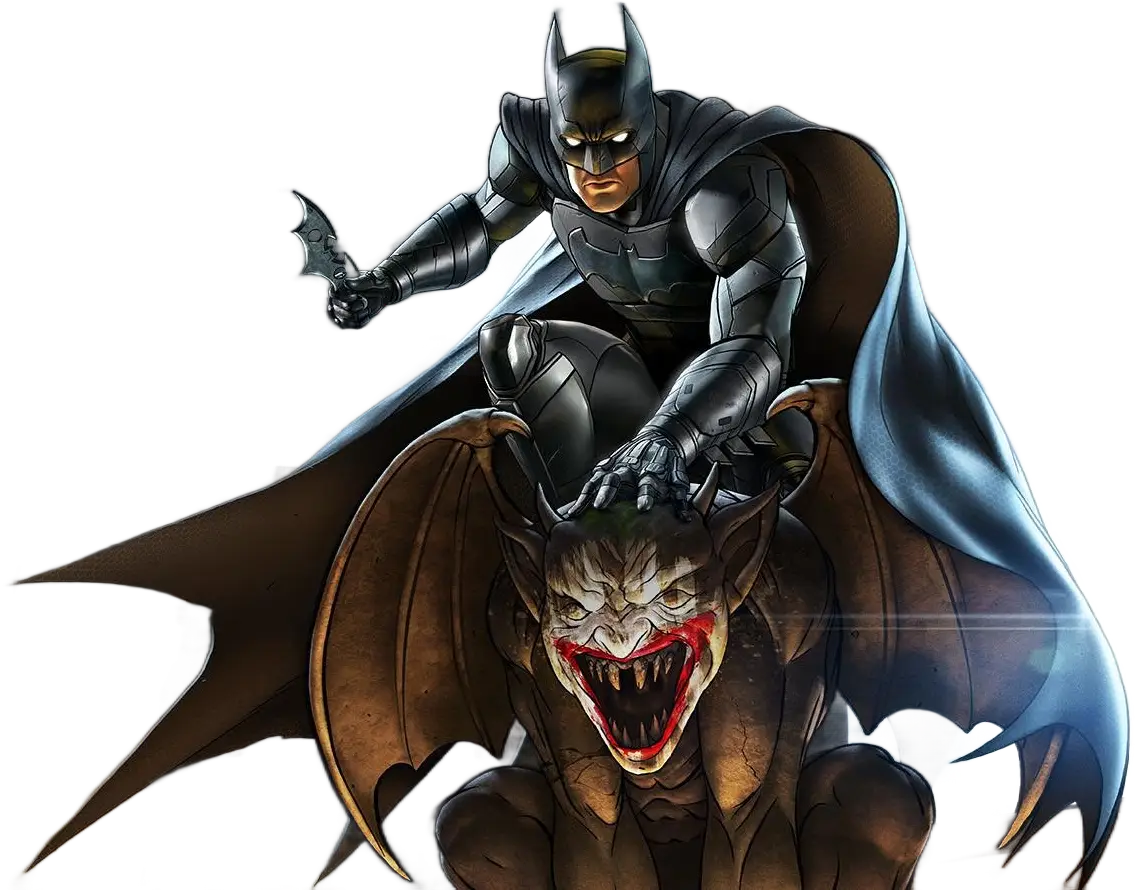

What made Telltale Games engaging is that the players actively made choices through dialogue options and decisions that often shaped how the story ended.
This created an emotional connection between the players and the story.
This also increases the replayability
of a game. Players often left thinking, “what if?” about every decision.
Games turned into Comics
Traditionally, game developers expanded their franchises through products such as clothing, accessories, posters, toys, and action figures that are collectibles.
Comics and video games historically had different fan bases, with some crossover between them. Game developers quickly realized that expanding into comics could help them increase their fan base.
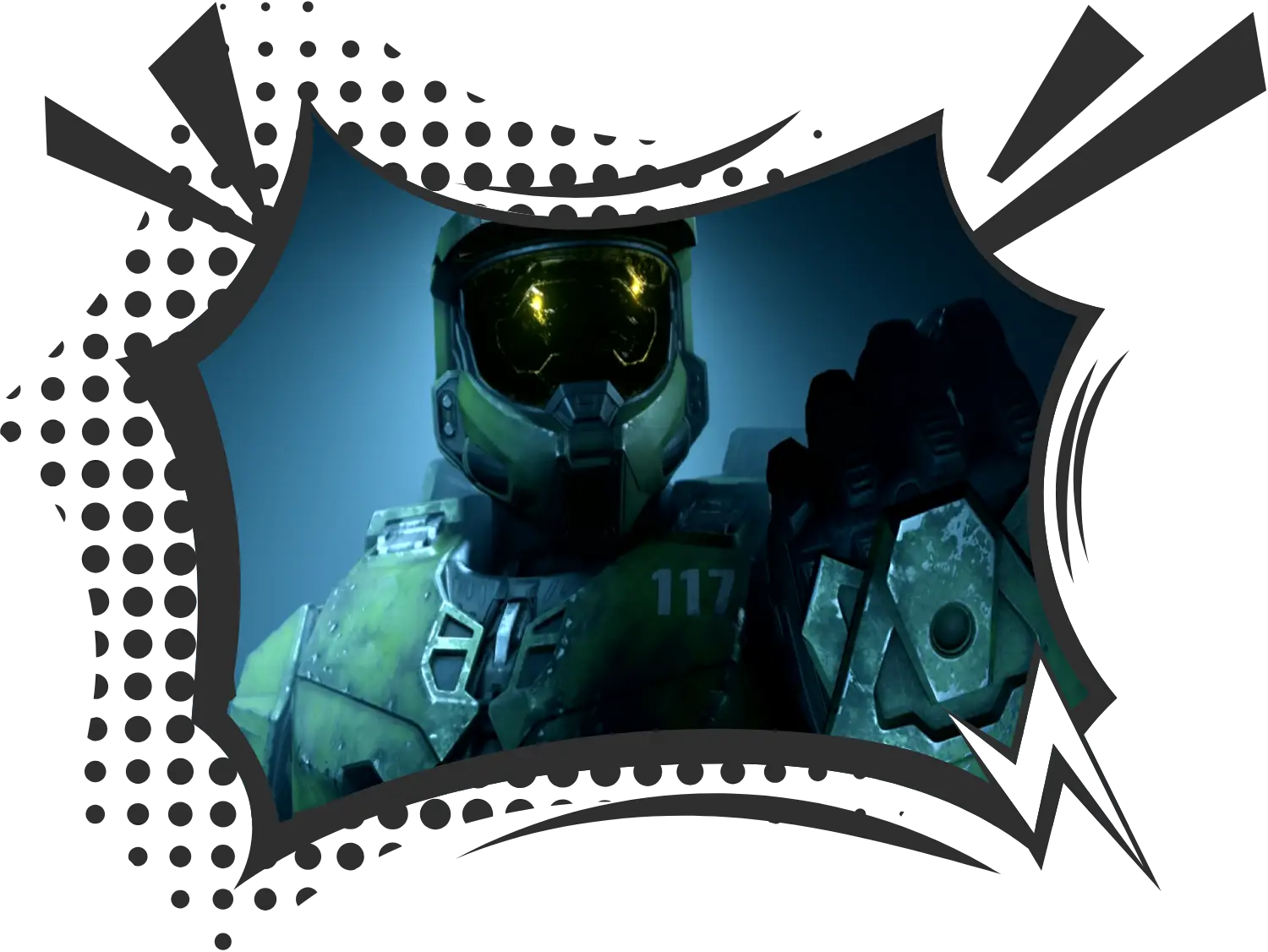
Gaming studios started to develop their own comics around their characters and their universe. Recent games include Cyberpunk, Halo, The Last of Us, and many more.
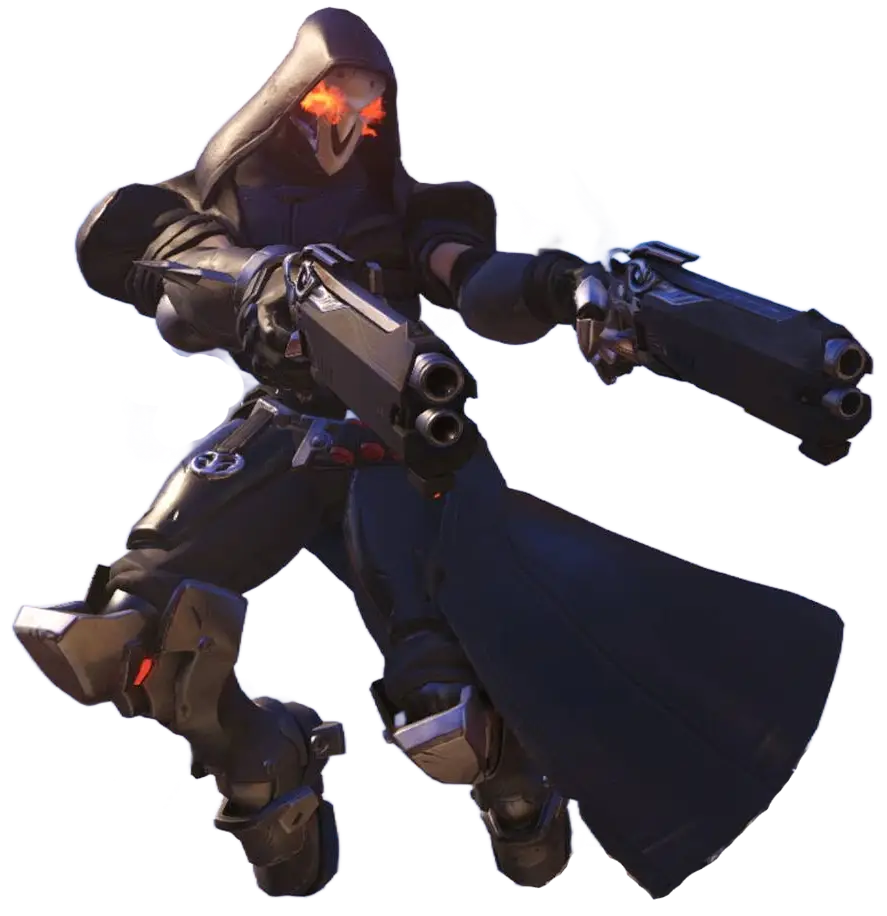
Overwatch
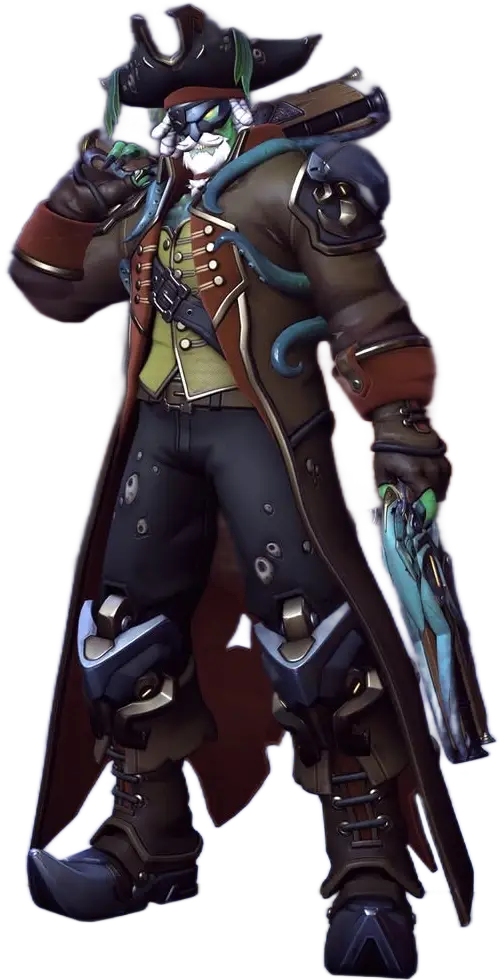
One of the most successful video game releases in recent history, and the winner of the Game of the Year award in 2016 is Overwatch. When the game first came out, it had a lot of heroes, and many of them were inspired by different games such as Team Fortress 2 but had little to no background story about them.
To solve this, Blizzard started working on creating animated shorts for each hero so that players could understand them better. The videos gathered millions of views on YouTube and showed a real demand for Blizzard to expand more on the lore of each character.
However, those animated short movies were often short, around two minutes long, which left many players wanting more. After that, Blizzard started to release a series of free digital comics focused on their individual heroes and story events from the game universe.

These stories added emotional depth to characters that we only previously knew from gameplay. This approach allowed the gaming studio to keep its audience engaged while expanding into different genres and capturing different audiences beyond just gamers.
League of Legends
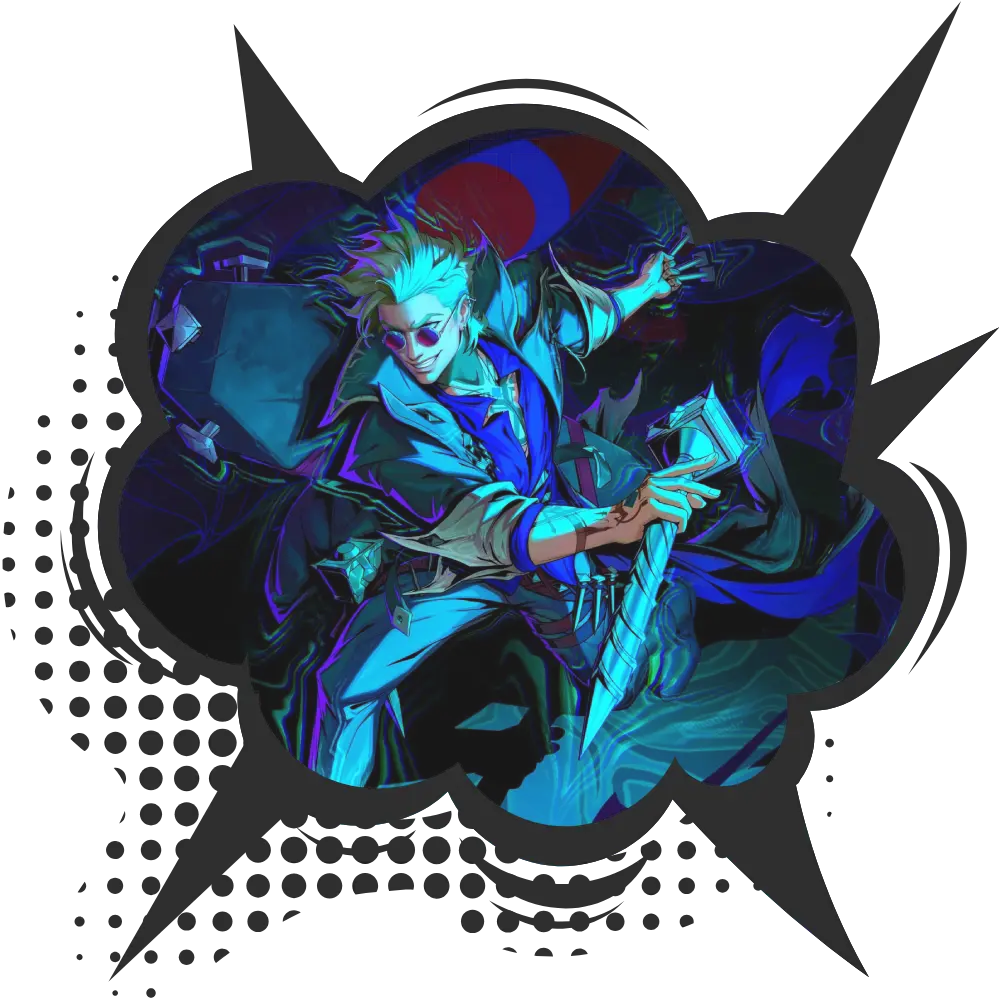
For many years, League of Legends was primarily known as an online battle arena competitive multiplayer game with many champions, but little was known about these characters stories or backgrounds.
Players often wanted to experience and explore these characters and explore
the vast world of Runeterra.
Riot Games recognized the potential of such a universe. They started publishing comics about the champions and regions featured in their game series.
With a new form of artistic expression for the League of Legends universe. Writers, designers, and illustrators can now bring stories to life through visual narrative.
The comics were successful and proved that League of Legends was more than just a competitive game and that it had more to offer to the fans who.
The stories transformed the franchise into a fully developed fictional universe, which paved the way for larger projects such as the animated series Arcane.
The Lasting Legacy of Comic Books in Video Games
The relationship between comic books and the video game industry is much stronger than people think. Comic books introduced ideas such as gradual story development, cliffhangers, and visual storytelling that helped games shine.
The episodic releases helped keep more gamers engaged for a longer period of time. Developers had to adopt these techniques to make players invest in their worlds.
As the game industry continues to grow to new heights, most of the studios have turned back to comic books as a way to expand their game universe.
Games have shown that there is more to them than just gameplay and that these games can attract more than gamers. Both genres continue to draw on each other’s ideas to improve the overall experience of their products.
Created by
Sae and AJ
Date: 10/07/2026
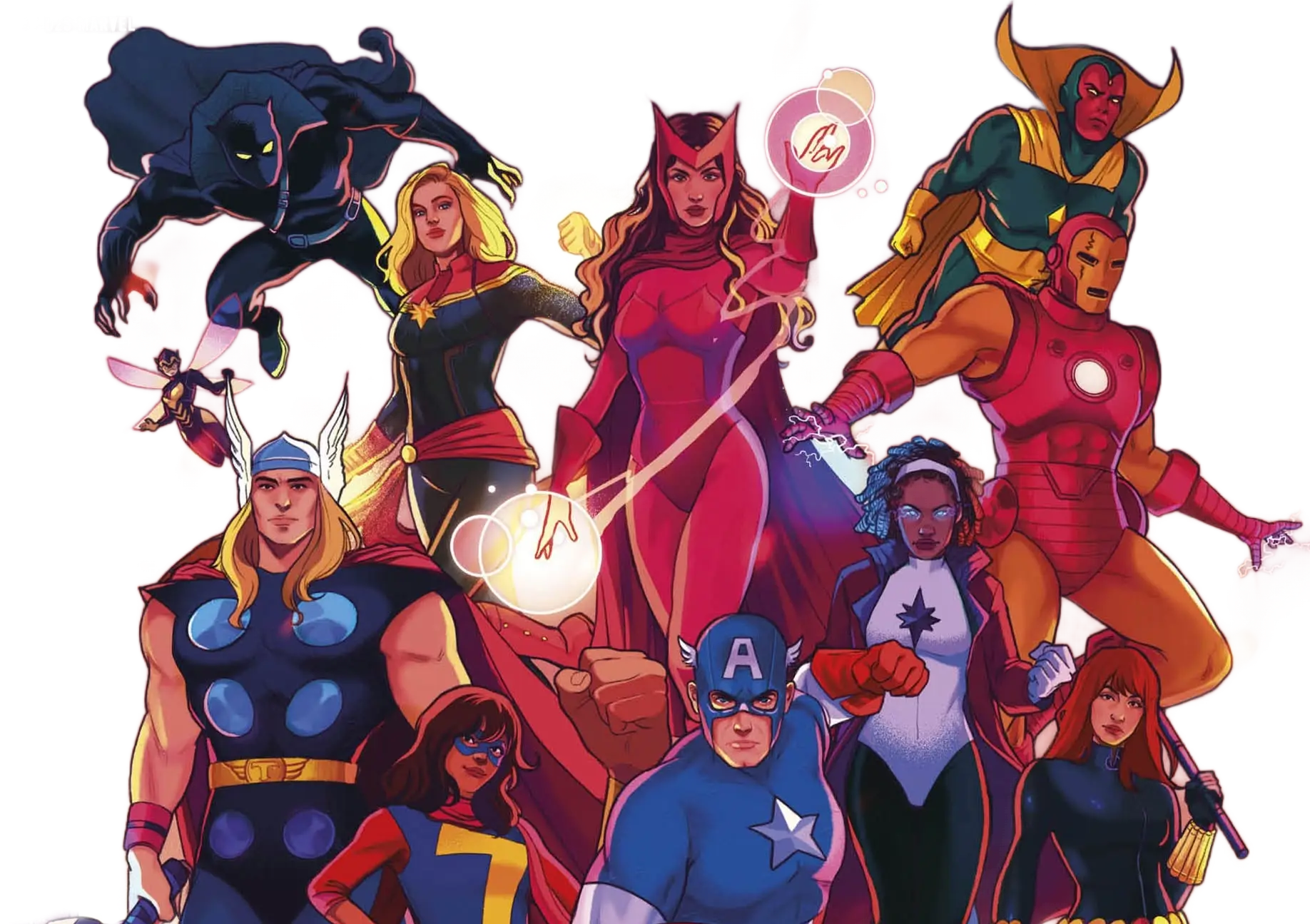
Comics and video games have evolved into a two-way street. Comics have introduced methods and techniques of storytelling that have helped make games memorable.
Both industries continue to grow and inspire one another, creating rich stories and experiences for audiences worldwide.
Check out more articles!