FROM READERS TO PLAYERS:
WHICH EXPERIENCE
IS BETTER?
Some stories stay with us way long after we finish them. Sometimes it happens once we reach the last page of a novel. Some others, after watching the credits roll at the end of a game. Whichever it is, these things usually refuse to leave our minds for a while.
For many years, books and games lived in two different worlds. Divided from one another, succeeding and failing on their own. One relies mainly on imagination while the other relies on interaction.
A few of these stories have proved to be powerful enough to cross that frontier and find a second chapter in a different scenery and medium. The interesting and quite fascinating thing is that this particular transition is far from a simple copy-and-paste.
A story that may work on paper may not automatically work on an engine and in the hands of a player. Most gamers get to experience these stories in reverse. They play the game and get hooked on
the world and characters, only to realize later on that its roots were planted prior in the pages of a novel. With this article, we will explore the transition from page to screen. How characters and worlds from books have to evolve or reinvent themselves to properly work as a game.
Get ready to discover how these stories end up creating a legacy beyond their original targeted audience!
Ink-teracting with a story that
started on pages
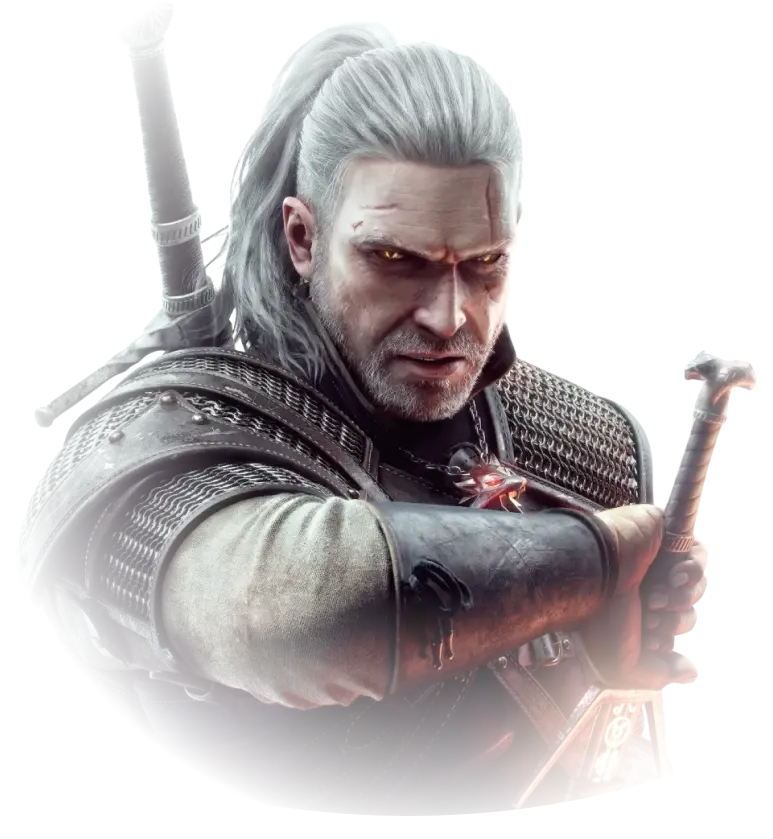
I want to begin by telling you a personal experience about this topic. I am pretty sure I must not be the only gamer who played a title and later found out it was based on a famous book. In my case, this happened with The Witcher.
Like many gamers, I discovered Geralt of Rivia with the third title of his series. My cousin, a huge fan of RPG games, suggested this one to me as he knew I got quite invested in games like Heavy Rain or Beyond: Two Souls. You know, games where your choices are crucial for the story. I was also searching for a fantasy experience, and The Witcher
was a perfect match of everything I was looking for. After reading a few reviews without spoilers, I bought the game for PS4. I will be honest, I am not a reader, and I have not picked up many books ever since high school was over.
However, I had a fair share of reads and became an enthusiast of franchises like Harry Potter and The Lord of the Rings universe, but I never crossed paths with anything related to the series of Andrzej Sapkowski, not until I was finished with my first Witcher game.
XX
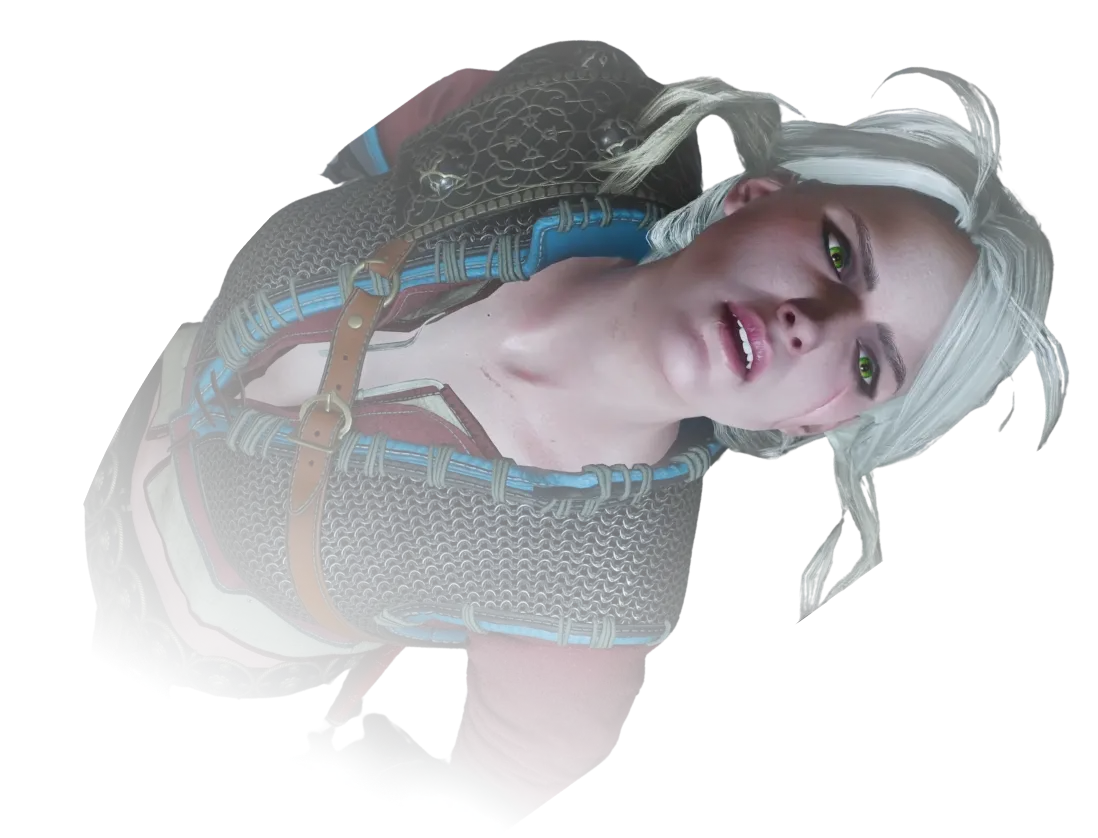
So there I was, truly enjoying this video game, a non-canonical sequel to some best-selling novels. And let me tell you,
I fell in love with the game for what it is.
I stepped into a world full of monsters, difficult choices, with some characters
that felt more complex than what I was used to seeing in most fantasy games
I played. Back then, I did not think too much about where it all came from as
I simply enjoyed the new experience. This was the Witcher’s world for me.
The world I thought I already knew
Somewhere in late 2019, I saw the trailer for the Witcher series, and I quickly told my sister that I could not wait to watch it, as I had loved the game. She looked at me with a smirk and said that the show would probably be based on the books.
Books? What is she saying? She is not even a gamer! I smiled awkwardly and left. For years, I assumed that this was one of those franchises that started in gaming and expanded into other forms of media. Naturally, curiosity took over, and I started to investigate a bit more.
While researching the books, I found out the first novel to start the story would be Blood of Elves, but since I wanted to get properly soaked in the world and main characters, I had to grab The Last Wish first, and that is what I did.
What intrigued me most was seeing how familiar everything felt while also finding details, conversations, and characters’ perspectives that never fully made it into the game. Certain relationships carried more depth than I expected, and I found myself valuing the game even more for
how well translated it was compared to the source material. At the same time,
I realized something quite interesting: living the story through the game first sort of changed the way I experienced reading the books.
Instead of building a world from scratch in my mind, I already had faces, voices, and locations attached to it. It did not feel like a new story. It felt like getting soaked in the lore of a piece I already learned to enjoy.
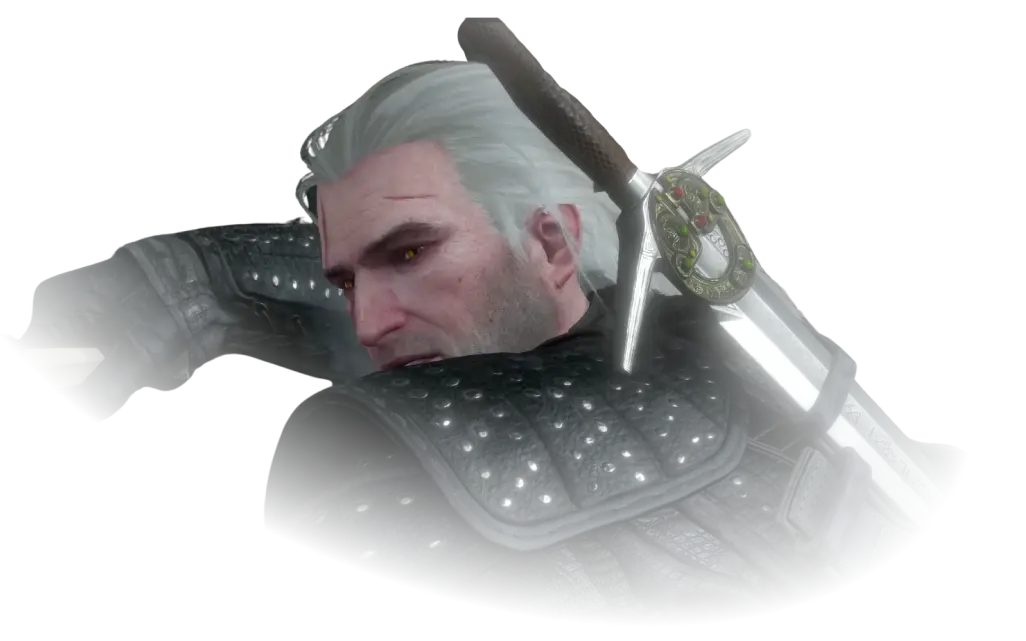
An unexpected journey back to
the roots
When I look back, I cannot help but think how often this may happen in gaming. You know, how a book gets overlooked despite having experienced the game it was based on or inspired by.
A great game can lead to a great book. Sometimes a book can inspire a game that introduces a fairly new audience to a story that would probably not expose
it otherwise. And as it happened to me,
sometimes, the game adaptation gets so successful that many people do not even recognize that a book came first.
It makes me think how some stories are powerful enough to thrive regardless.
The Witcher books were already best sellers in Poland and Eastern Europe way before the games ever appeared, yet I would not have found them if it
wasn’t for a TV series.
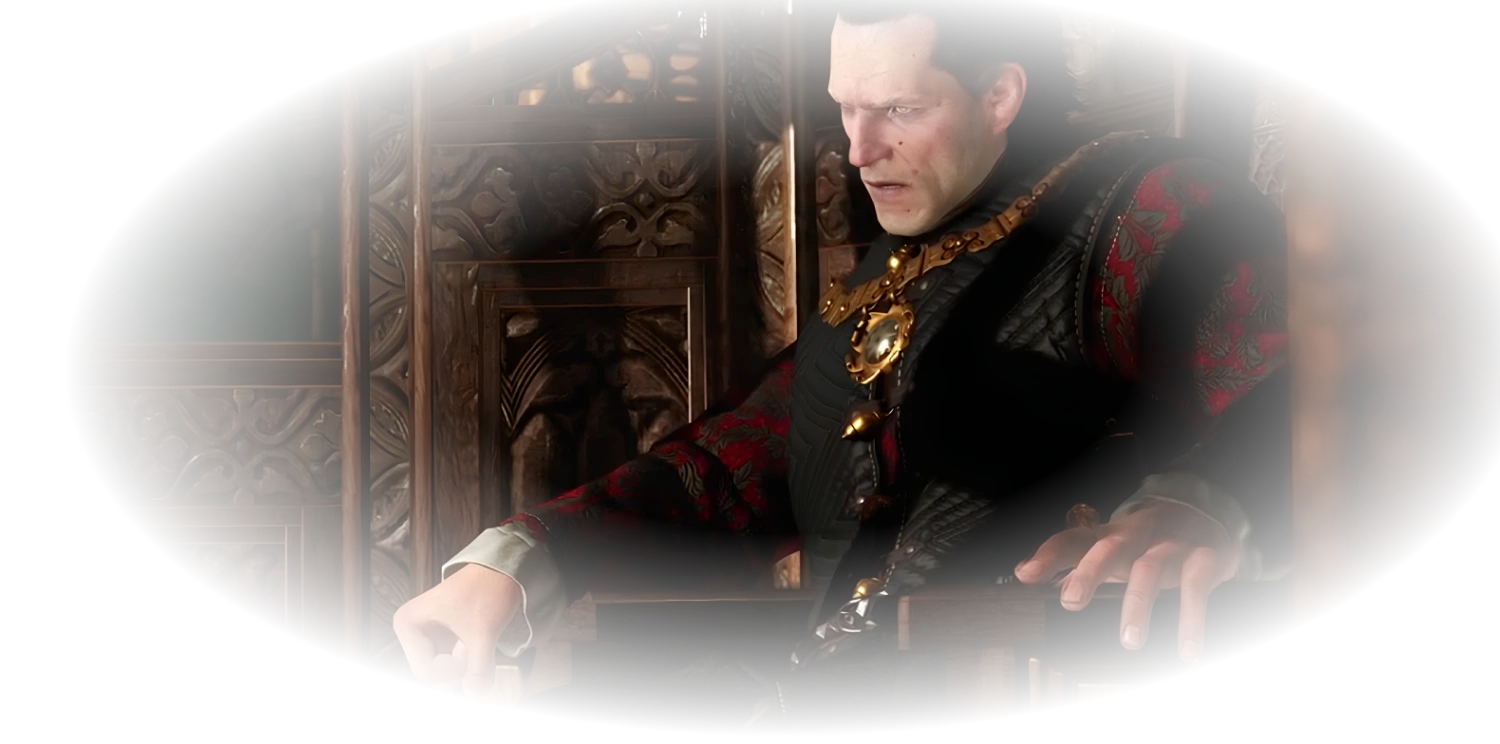
Not every story changes the same way
Same as the Witcher, we got a fair share of books that became influential games.
And this article is not about explaining why and how they did it, or the strategy of marketing behind it. I want us to think about the experience part. How a book reader can explore games, and how a gamer can find meaning in a novel.
Let’s be clear, though, not every book
is destined to become a video game.
What works on pages may not always work when put in the hands of a player.
For example, a book can spend several pages exploring character motivations, thoughts, and emotions, while a game often shows those through exploration, dialogue, gameplay, or player choice.
This is exactly what triggers me about adaptations. because their goal is not
to recreate the book word by word.
Instead, developers seek to find ways
to preserve the spirit of the story while creating an experience that must feel natural for players.
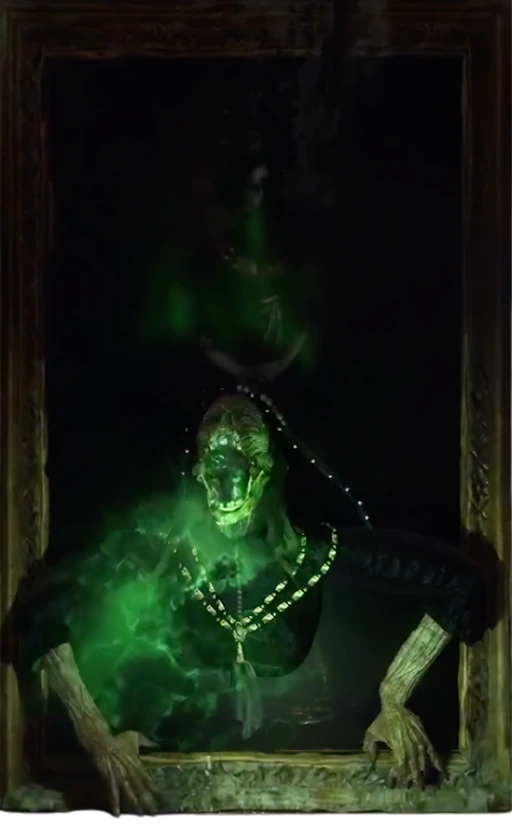
The Witcher is a good instance of this. CD Projekt Red did not directly adapt Sapkowski’s novels, but they chose
to continue Geralt’s story in a way that respected the source material while giving players a role they can adopt in this fantasy world.
The result was a franchise that brought in millions of gamers to characters that had already been beloved by readers
for many years. The games became a sort of bridge between two audiences that may never have crossed paths otherwise.
Can atmosphere become gameplay?
Researching online, I found out that not every adaptation follows the same style as The Witcher did. We see other series like Metro, in which you can notice how the games are substantially inspired by the novels.
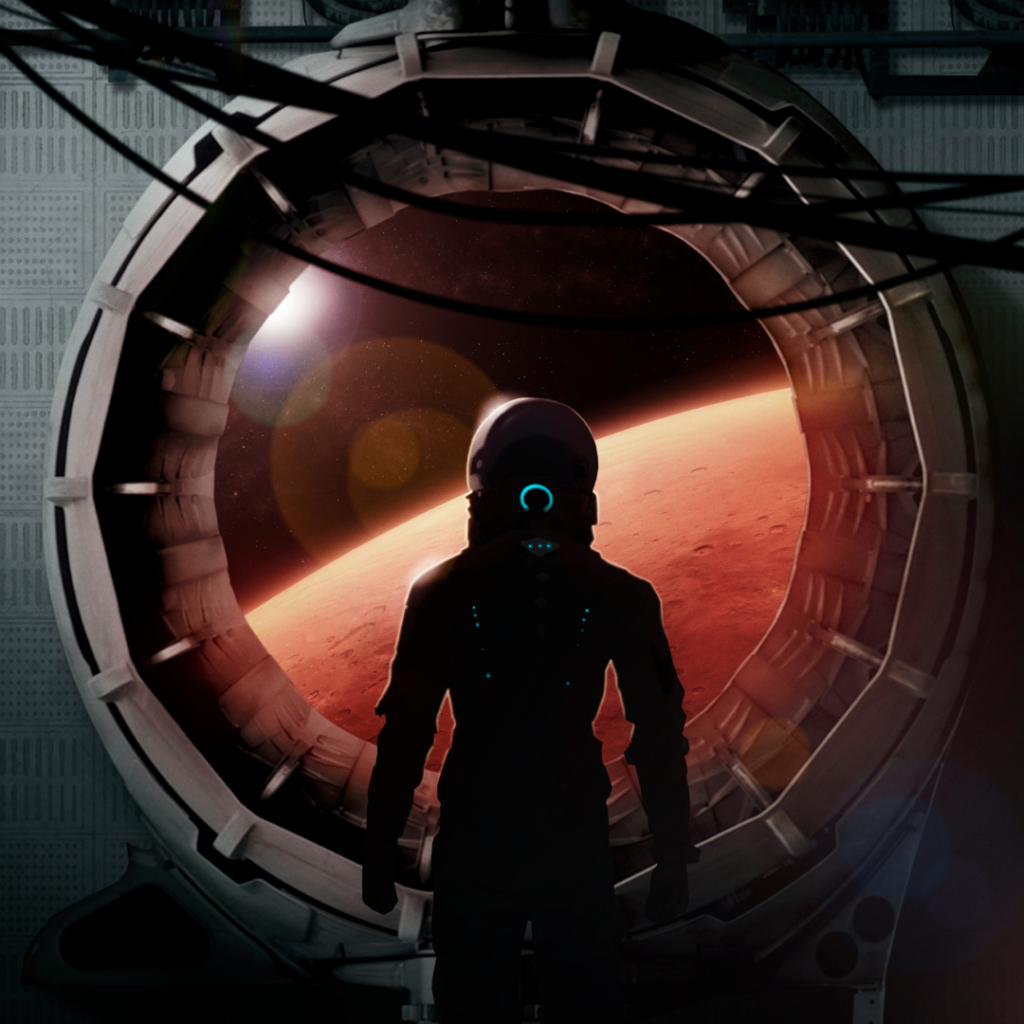
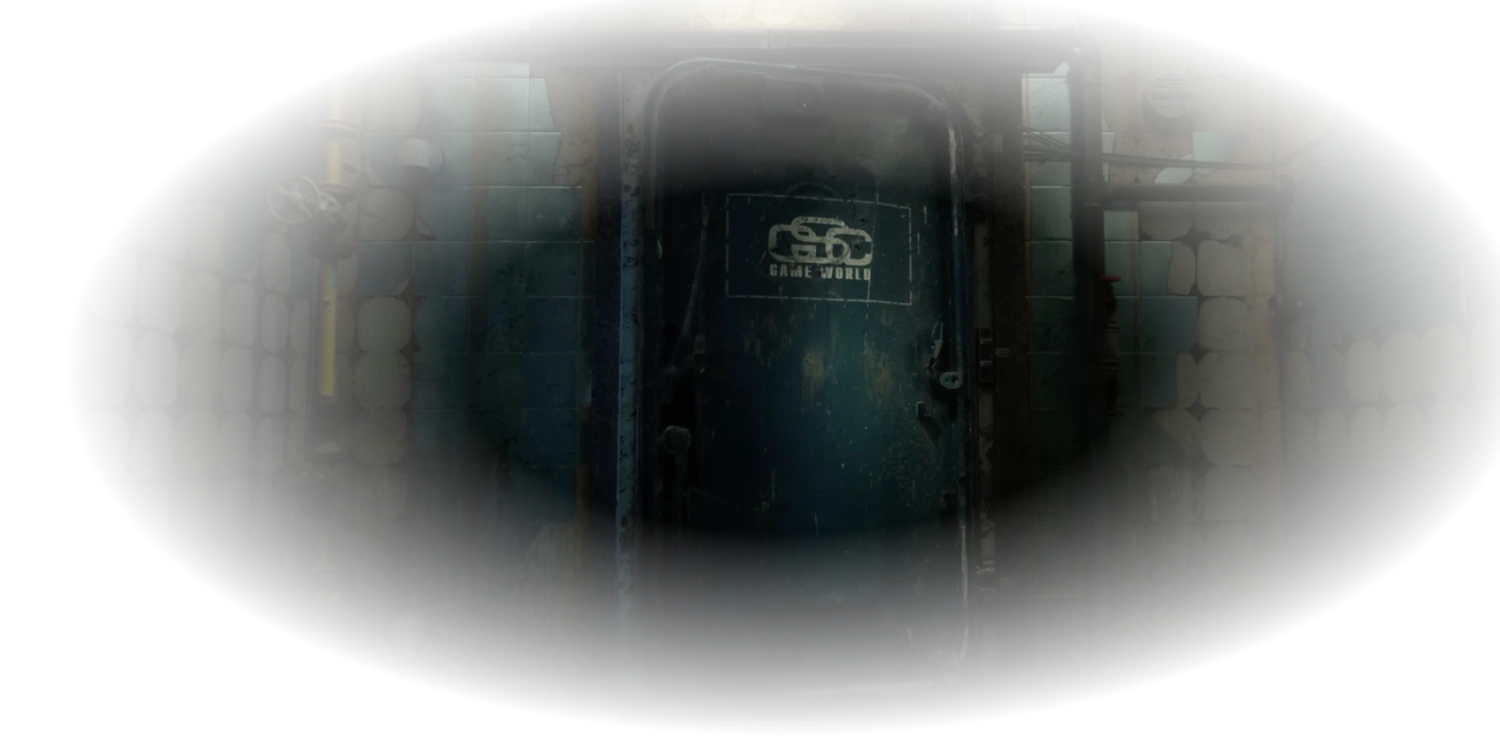
Metro transported players into the dark tunnels beneath the post-apocalyptic Moscow. The atmosphere, the tension, and the sense of isolation that readers experienced in the books are adapted so well into the gameplay.
Rather than telling players how to face the dangers of this world, they allow us to experience those dangers firsthand.
Every bullet feels more meaningful than the previous one. Every battle makes us feel the risk rises. This leads to a world that feels as oppressive and immersive as its literary version. Making it a loyal rendering of the source material.
This franchise might not be the noisiest one, but when it comes to adaptations,
it is a safe recommendation. If you are curious and enjoy a good survival horror first-person shooter, Metro is definitely the way to go.
Fiction evolved
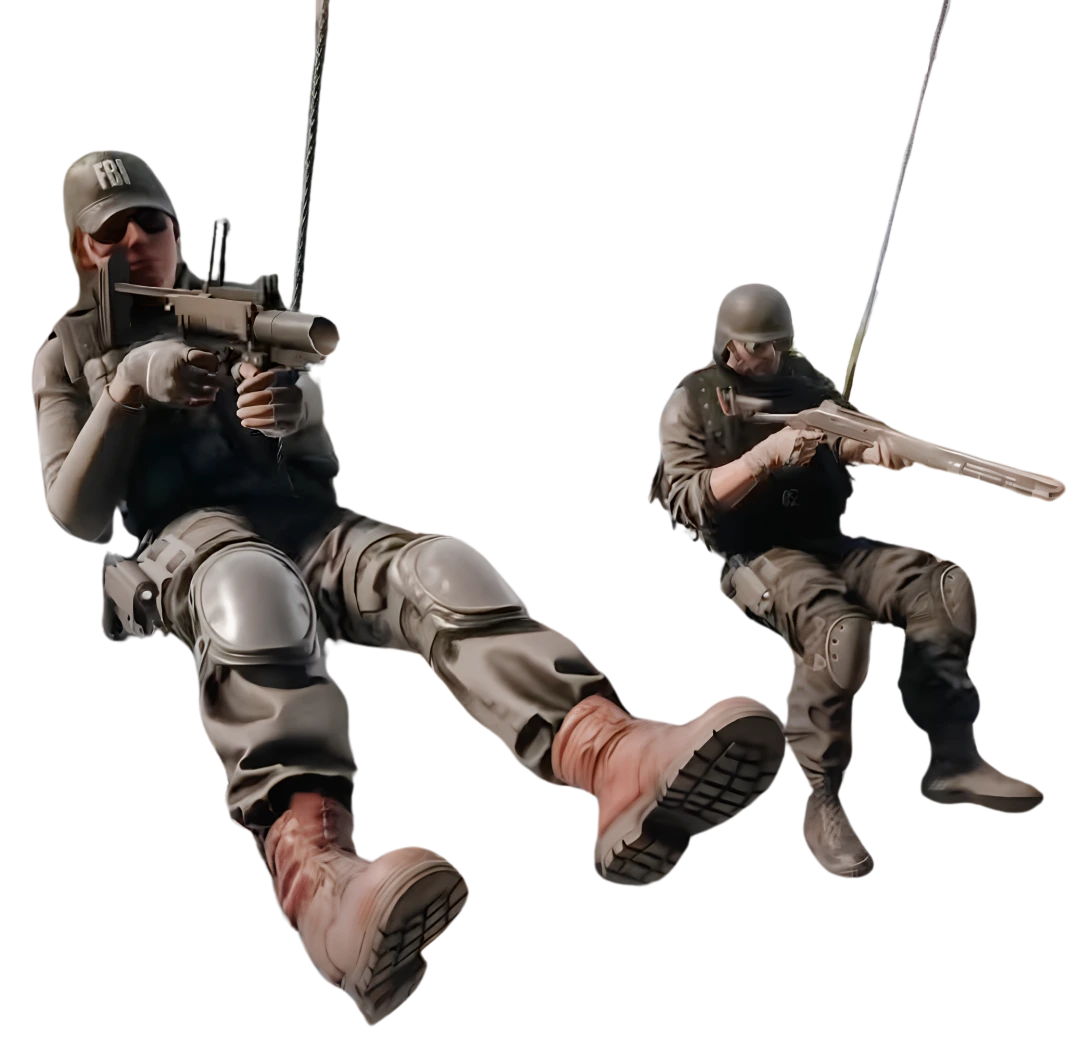
Whether you played it or not, I am pretty sure you heard of the universe Rainbow Six. Even further, you most likely know that the name Tom Clancy is always attached to it. But did you know the guy was actually a writer and these games are based on his novels?
Contrary to most fantasy adventures or survival stories, Rainbow Six originated from military fiction. Tom Clancy’s books focused on counterterrorism operations, tactical planning, and realistic combat scenarios that had readers envisioning blood-soaked battlefields.
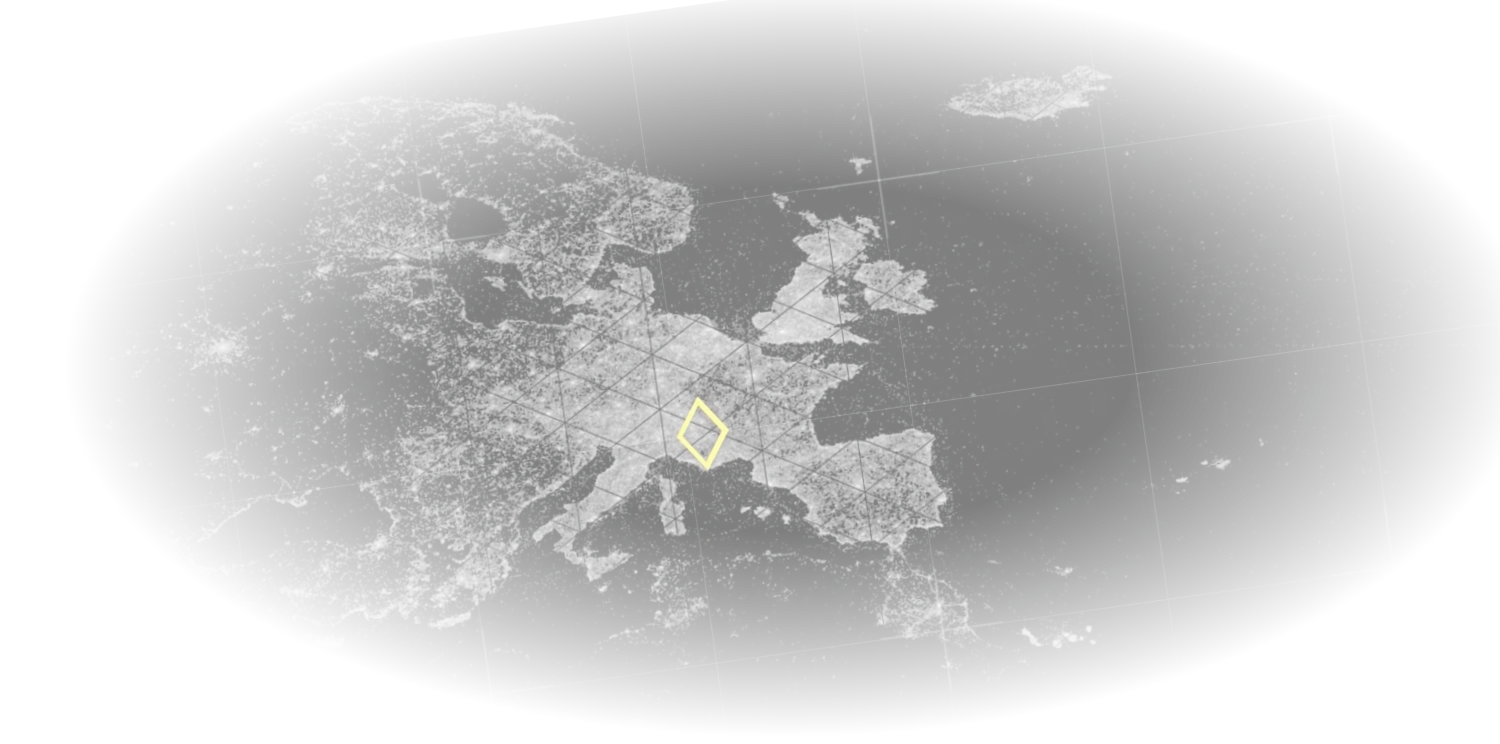
When the franchise received its gaming adaptation, it retained many of those core elements: teamwork, preparation, and strategy. The core premise is how the books really connect to the games. We have an elite, globe-trotting task force named Rainbow that is taking on high-stakes international threats.
Although one of the most recent and popular releases we got was Siege,
it is not a direct adaptation but rather
a multiplayer spin-off, placed in one timeline where Rainbow was actually disbanded and later reconstructed. Featuring highly specialized agents rather than classic military operatives.
Some stories refuse to stay on the shelf
I wanted to express and touch on a few points of this topic instead of giving you a list of games. The more I think about
it, the more I realize that book-to-game adaptations are not really about books or games. They are about storytelling.
Any great story has a quite unique skill at surviving change. It can move from one medium to the next and reach a new audience, while keeping intact all the essence that made people connect with it in the first place.
I dare to say that all of these games fall into the category of people connecting with them, even when adapted from an alternative form. Each of them took a specific approach from page to screen, and that is a risk worth praising.
While one expanded an existing world, another recreated the atmosphere of
its original material, and the last one transformed fiction into an interactive experience. All of them gave a reason for people to care about the story.
Games like Middle-earth: Shadow of Mordor, S.T.A.L.K.E.R., Parasite Eve, and Call of Cthulhu also belong here,
as they prove that this relationship between literature and video gaming
is continuously evolving.
These titles do not always have to be bound to the source material when being adapted. They can also serve
as an inspiration or the starting point, while taking some creative freedom
to establish themselves on the radar.
I truly enjoyed both the video games and books of The Witcher. It got me curious about what other games I ever played that were probably inspired or directly adapted from a novel. And that same curiosity may be awakened in fans of other franchises. At the end of the day, the real goal is that the story gets told.
Video gamers often talk about graphics, mechanics, or gameplay. We rarely look into the original idea on which our top games were based. And maybe that is the ultimate power of these adaptations. They do not substitute the stories that inspired them. They encourage people to explore them.
In a time when entertainment is steadily competing for our attention, there are special things about certain stories that can capture our imagination more than once, first as a casual reader and then as a player. Either way, some stories are simply too good to live on a bookshelf.
Have you ever discovered a great book through a video game, or a great game through a book? Please let us know in the comments!
Created by
Bambie and Myra
Date: 03/07/2026