WHAT MAKES ROGUELIKE GAMES FUN TO PLAY?
You are probably wondering, what’s up with all this roguelike/roguelite craze lately? Back then, you used to listen to people talk about the new AAA game, whether that’d be the usual Assassin’s Creed, Call of Duty, or the latest FIFA. Now everyone’s talking about new games nobody heard of before,
all over again? That is real Roguelite.
Of course, not all “progress” is lost.
At least not nowadays. I have probably confused you already, so I think it is best to take you through it
step by step.
and at one point, you get really curious and check them out. Before you realize it, you are watching mayhem ensue on your screen, monsters & projectiles going around, unsure where to focus your attention. You keep watching,
and eventually the character playing dies, only for the next run to start
Date: 09/02/2026
Time to read: 15 mins
Writer: Xaros
Designer: AJ
Genre gone Rogue
It all began in 1980. A text-based game called Rogue was introduced to society, since back then, computers only had text terminals for users. Other games like it were out there, but the creators always felt left out because they could not enjoy their creations, as they knew everything about them.
The main difference with Rogue was that everything got randomly generated when you started the game, and thus, finally, the creators could also have fun playing the game. It also didn’t carry over any progression into the next run.
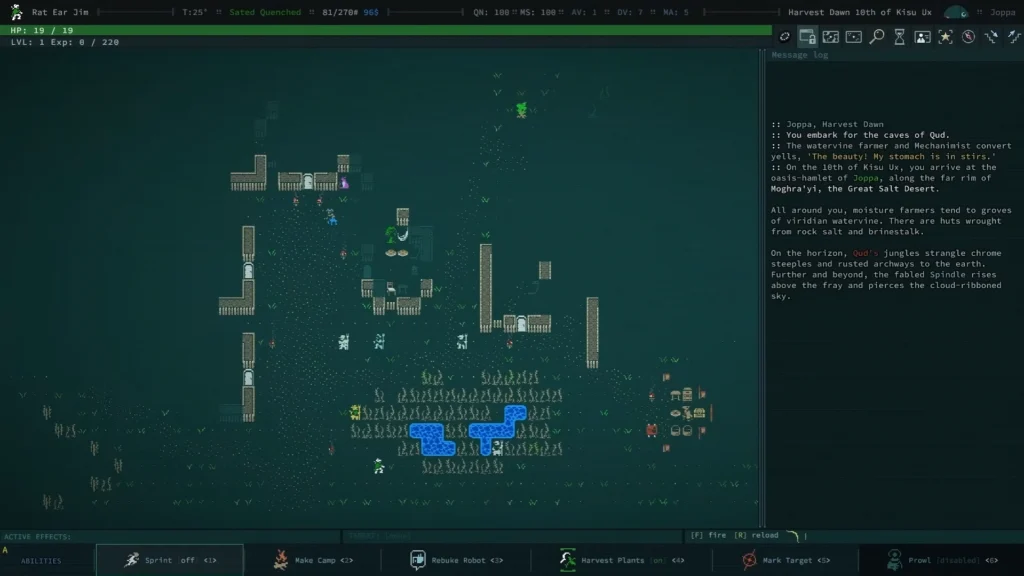
Therefore, Roguelike games really refer to both the random generation of levels and to permadeath, meaning no saved progression. You could save and come back to your run, but not if you lost. Hence, the term ” Roguelike ” emerged. Games like Rogue in these main aspects.
Roguelite, on the other hand, is a lite version of that, which allows you to benefit from past progression/runs.
Roguelite in name, not gameplay
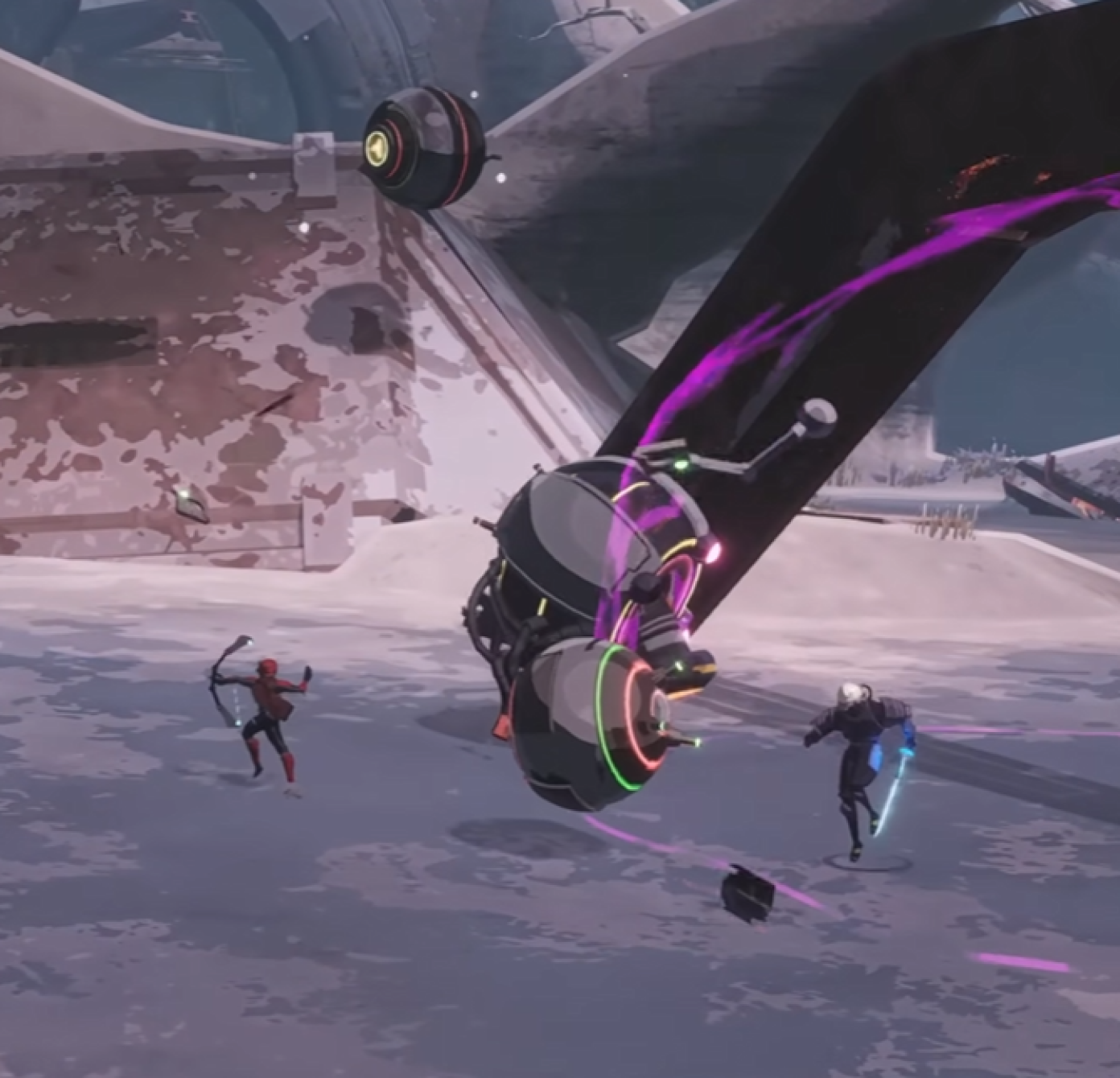
Whilst Roguelite sounds lite, it is not as lite as you think. The gameplay in these video games is crazy. There is so much going on at the same time that keeping up is a challenge. Knowing what’s going on means you are already good at them.
They offer so much rush and adrenaline that it is hard to quit and replace them with something else. Through real-time combat and urgency, it is unlikely to help you relax, but likely to push your chair forward and lean into the screen in full focus and determination.
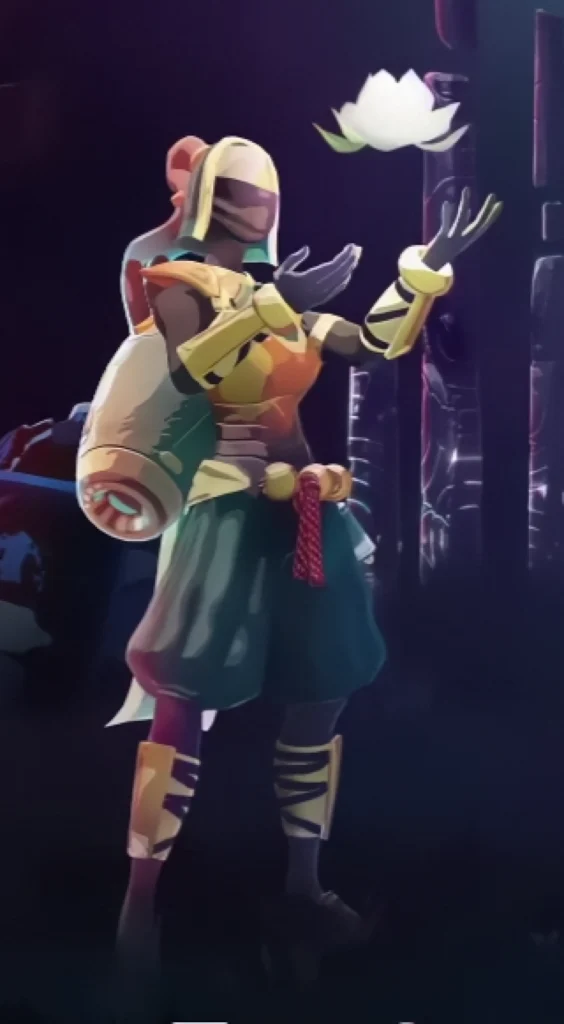
There are so many Roguelites out there; therefore, in this article, we will focus on some of the fastest successes this genre has seen, which remind us that fun is never just about looks or budget.
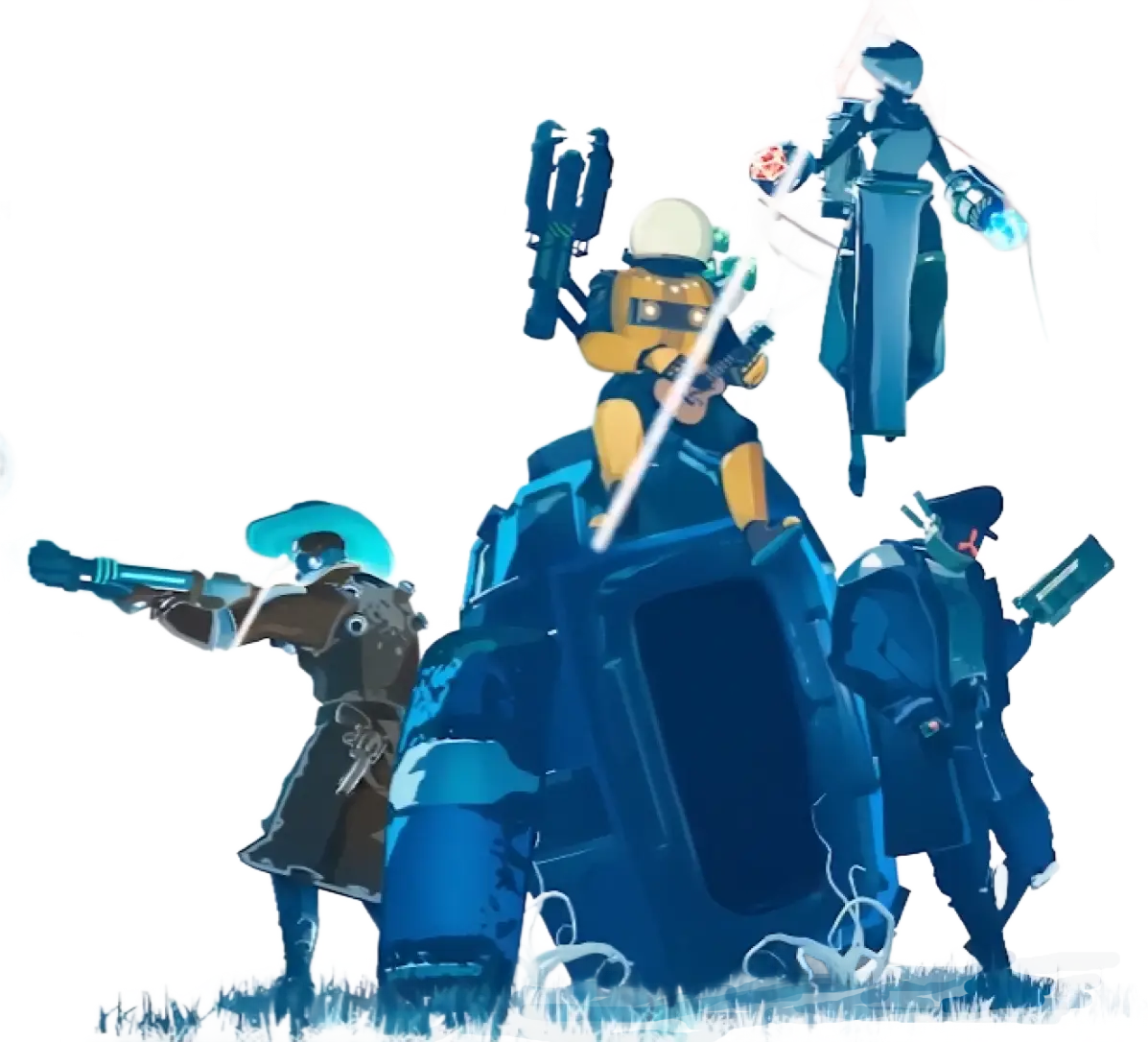
Chaos with a purpose
Modern era Roguelites are more about mastering systems in the midst of chaos rather than surviving. But that doesn’t mean perma-death and procedural generation were abandoned. In fact, they were more refined. In this era, developers started to realise that
randomness is not enough anymore. Chaos must feel like it is intentional. Systems must interlock. They were no longer about punishing the player for not knowing, but more about how
quickly the player can adapt.

The binding of fun curiosity
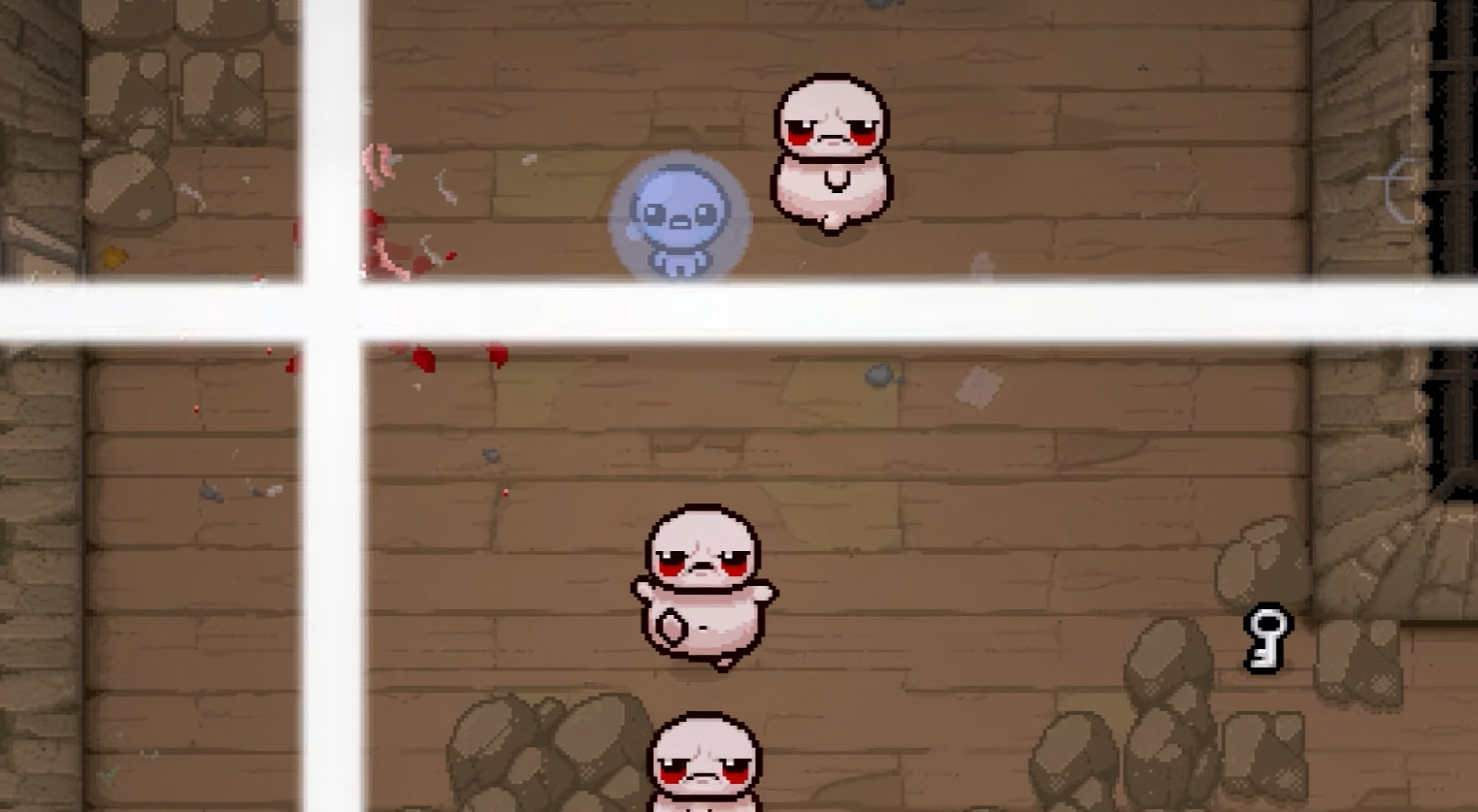
And if that chaos could take the form of any game, it would be The Binding of Isaac. At its core, the game is built around unpredictability. It is a game with a library of items so huge that
no two runs feel the same.
One minute, you are shooting flies with your tears. Next, you are chasing poor maggots around the room with your mom’s kitchen knife while dodging explosives and wondering how it escalated so quickly.
Isaac’s huge item pool is what fuels its replayability. And these items do not just add stats; they mutate
and interact, slowly creating
an abomination that can either spiral into a masterpiece or a disaster.
To accompany all that chaos is its level design. Rooms constantly shift around
awlays leaving you guessing what you are about to face next. With boss fights that test patience and make every victory feel earned.
Rise from the underworld
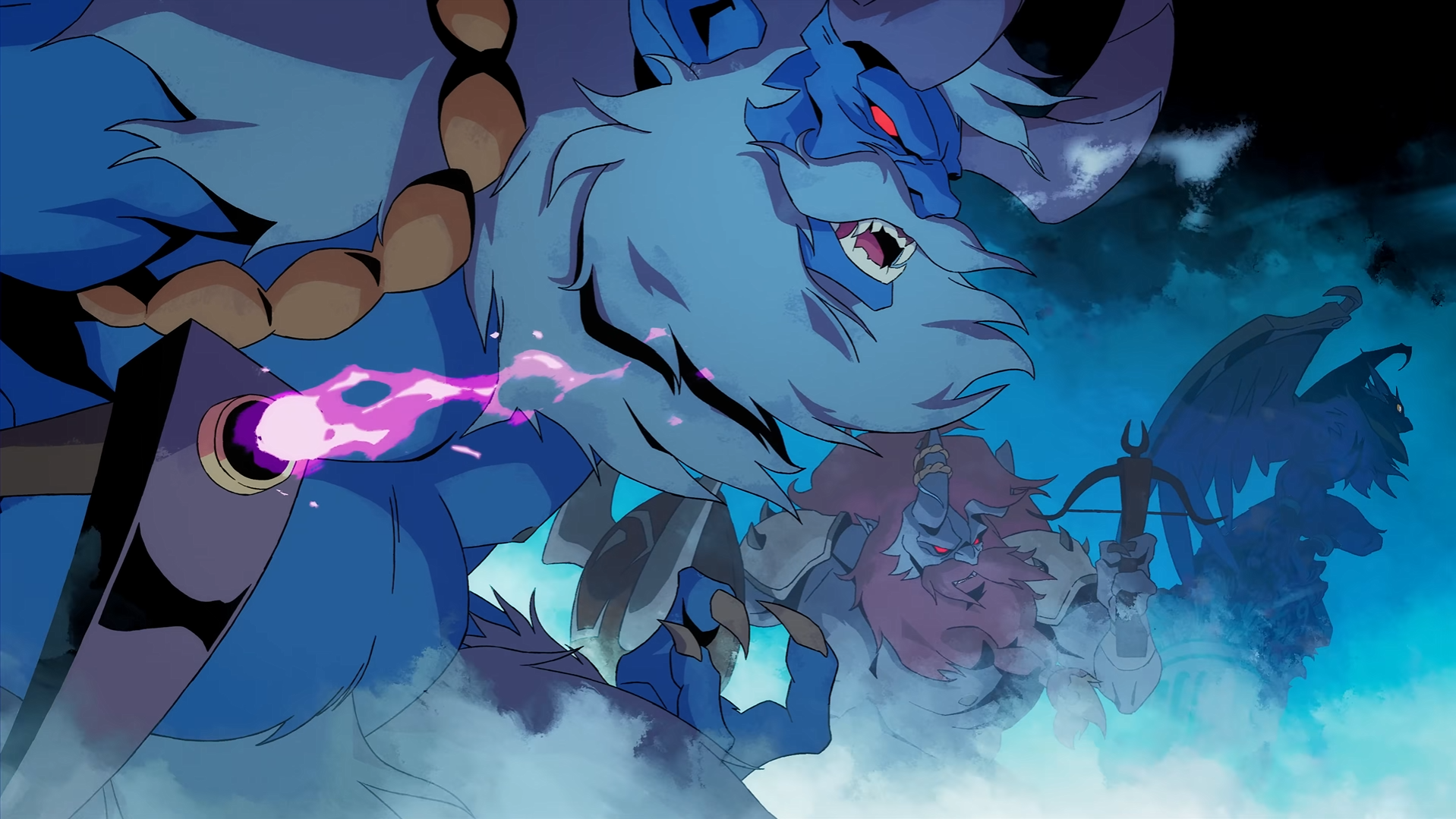
If Isaac is chaos incarnate, Hades has to be controled brillance. In this beautiful game, you play as Zagreus, the son of Hades, who wants to escape from his dad’s grip. But every time he fails,
which will happen a lot, he gets sent back to the beginning to try again,
but slightly stronger.
That slight strength comes from its meta progression system that allows players to gain currency each run.
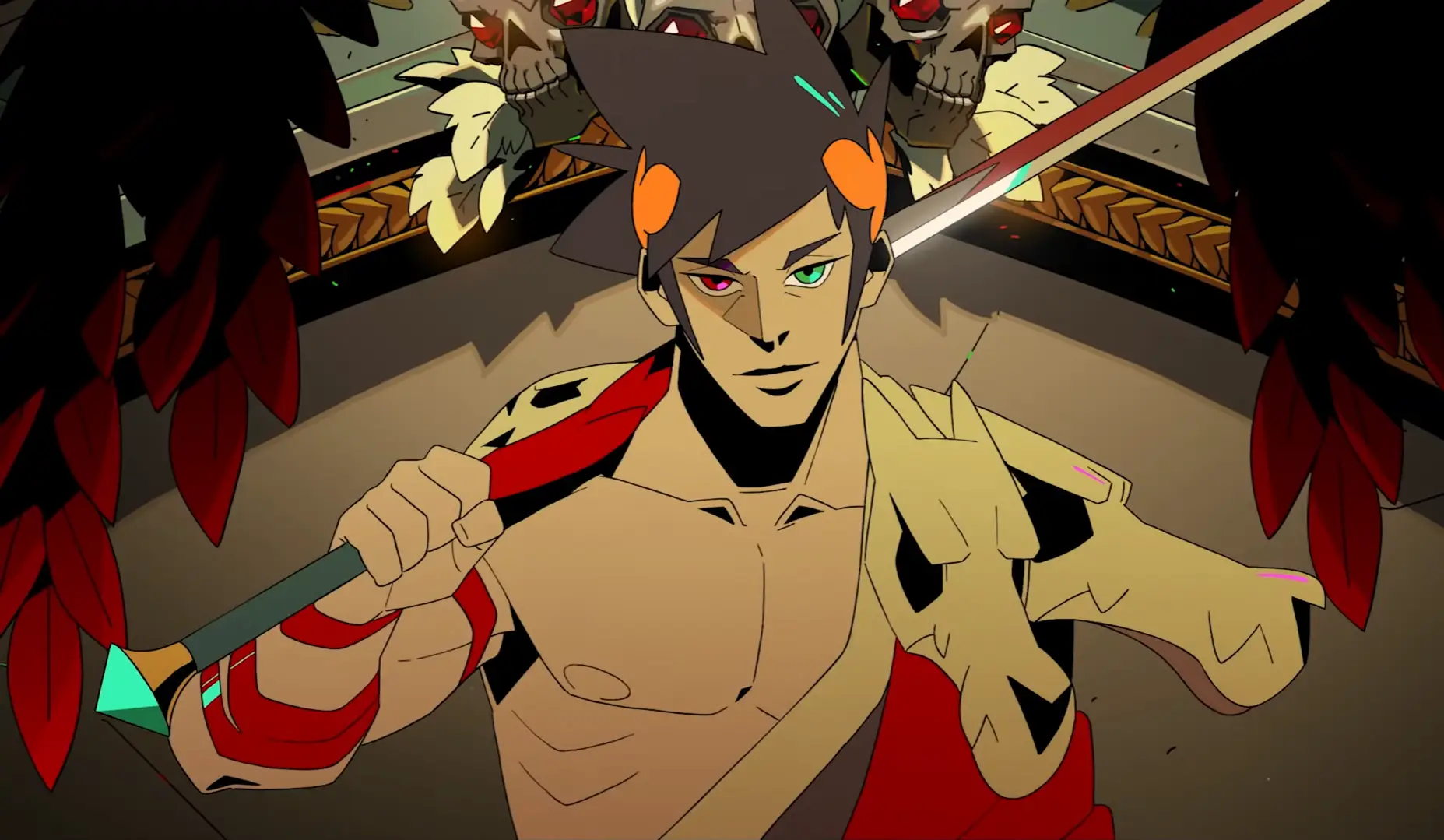
And these currencies you obtain have various uses; some are used to acquire better gear, while others provide you with permanent upgrades to ease your next run. Alongside these upgrades comes a form of RNG for each run, Boons.
But all that alone is not what makes this game so special. Hades uses a concept loved by many, and they execute it well. The dialogue in this game is on a level
of its own alongside its artistic style
and scenery, where the chaos is plenty, but beautiful. Truly a spectacle for
the ages.
Why do they work?
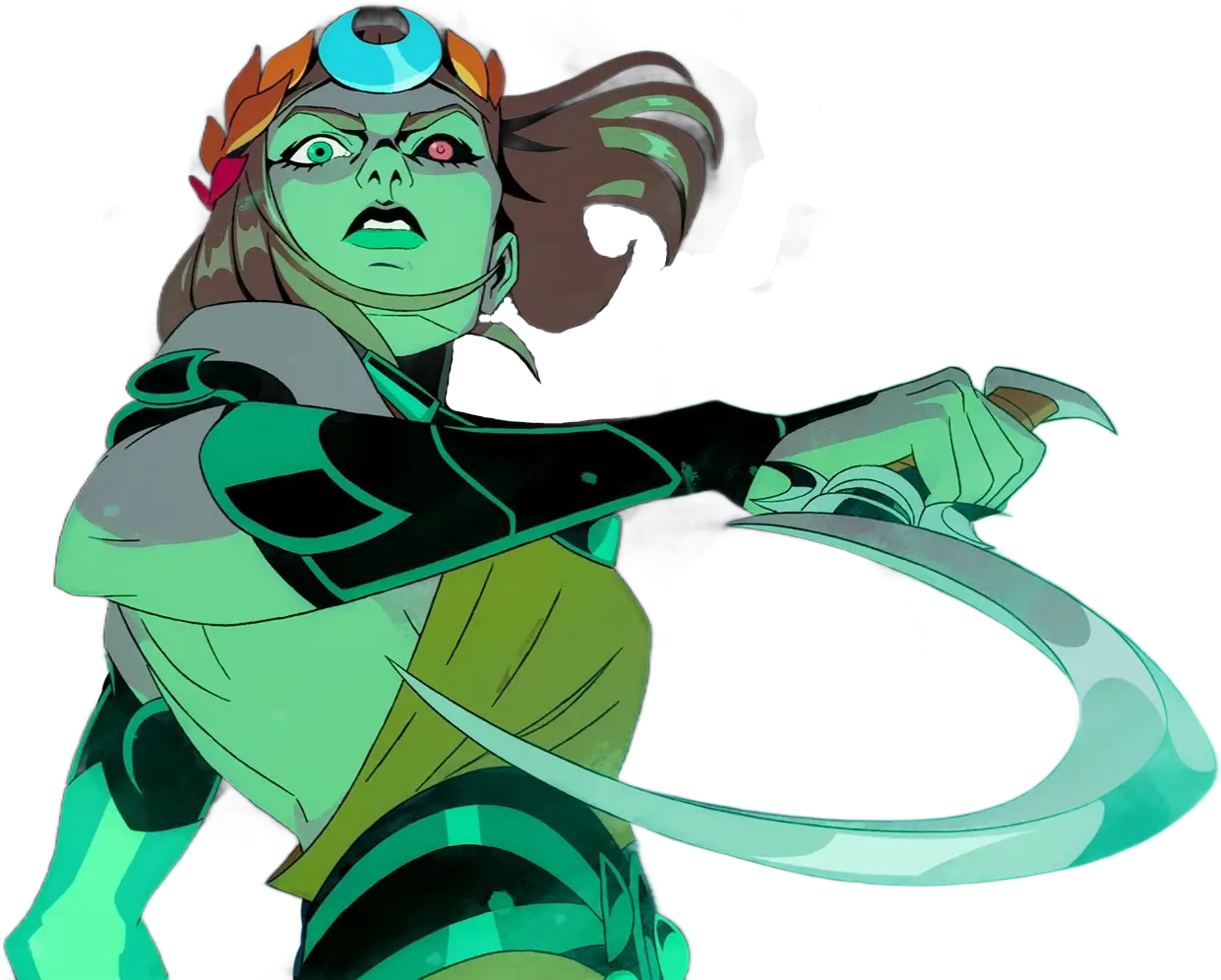
So why do you think these games are so addictive? What is their secret sauce?
It is their controlled unpredictability. Variety is guaranteed by procedural generation. Perma-death adds a layer
of consequence. Meta-progression stops frustration. And all these together form an enjoyable experience.
But importantly, they turn repetition into excitement. Each and every run holds the potential of being the one to get you across the finish line.
You may stumble upon new upgrades and Boons. You may try a new weapon or approach, or you may have finally beaten that boss who has been kicking your ass. At its core, this genre is built on a balance between randomness
and control. Too random, and it is not fair. Too predictable, and it is boring.
And walking on that thin line is what makes it fun.

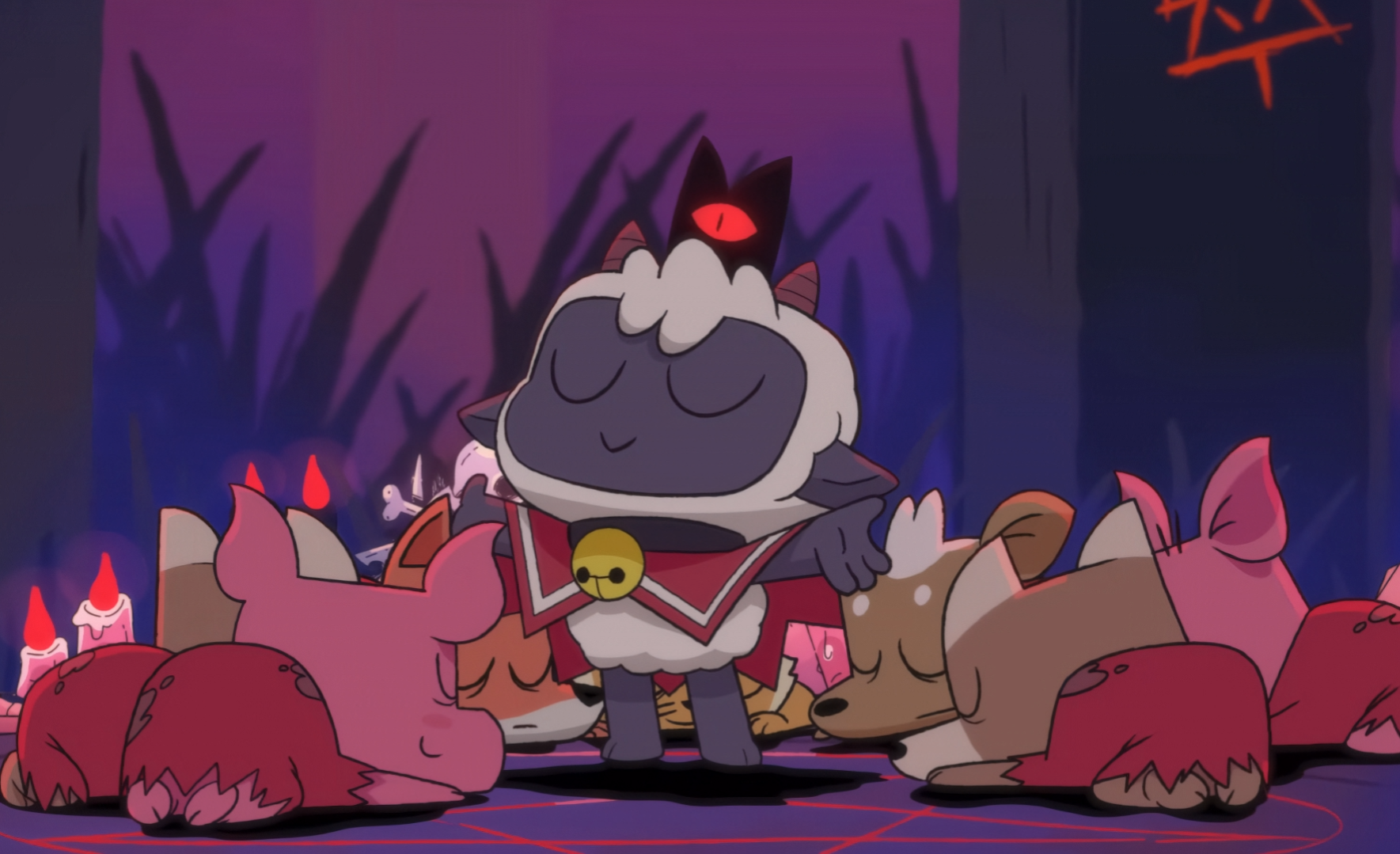
Bonk or be Bonked
And just when you think this genre can not get more chaotic, it somehow does. Along comes Megabonk, a game that pushed the genre to a new territory.
At first glance, it does not look like anything new. If anything, it looks like Vampire Survivors turned 3D.
But its true brilliance lies in the way it reimagined interactions. Instead of just stacking upgrades, it takes advantage of its skateboard park-esque environment, where movement is encouraged & fun.
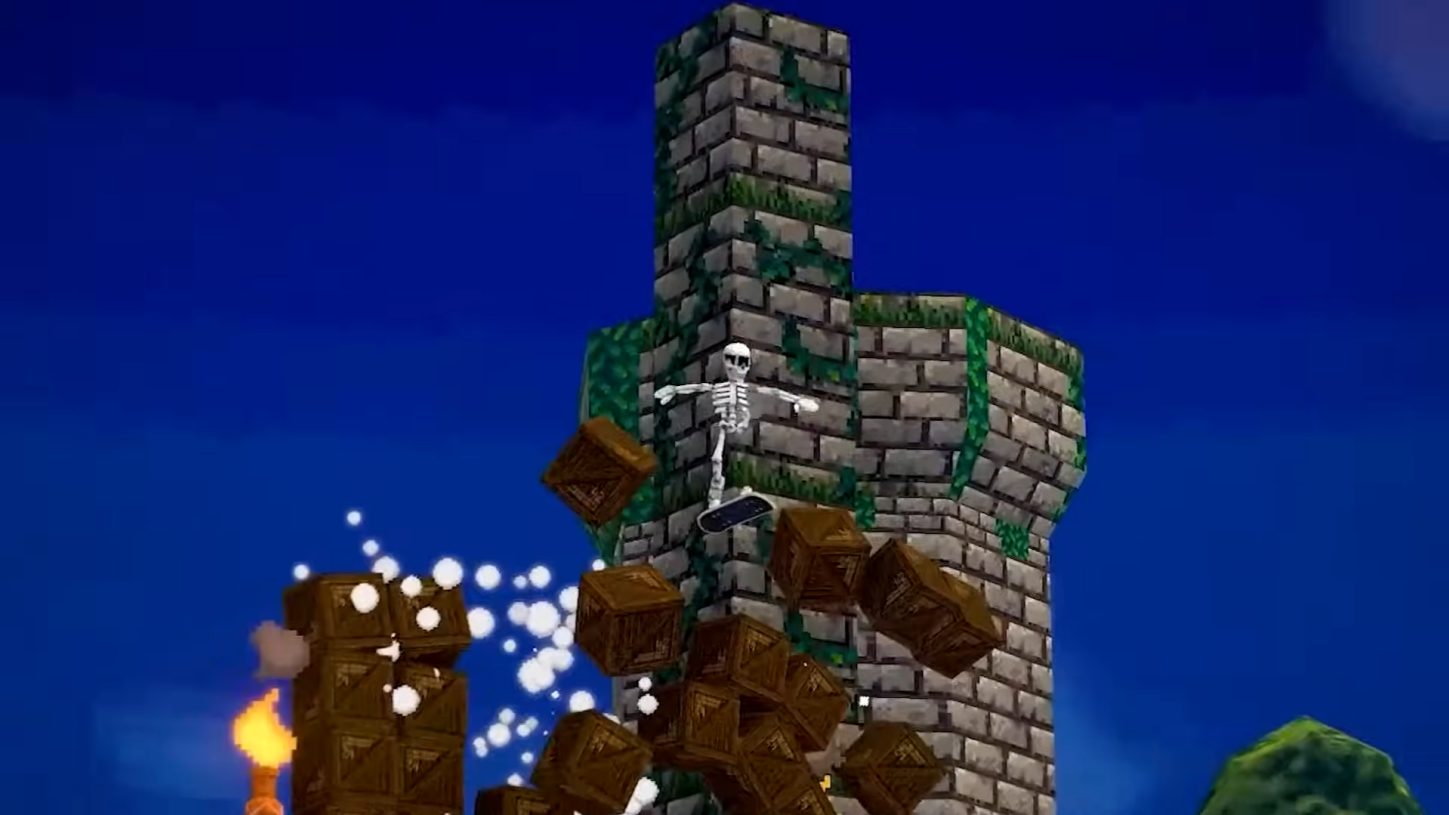
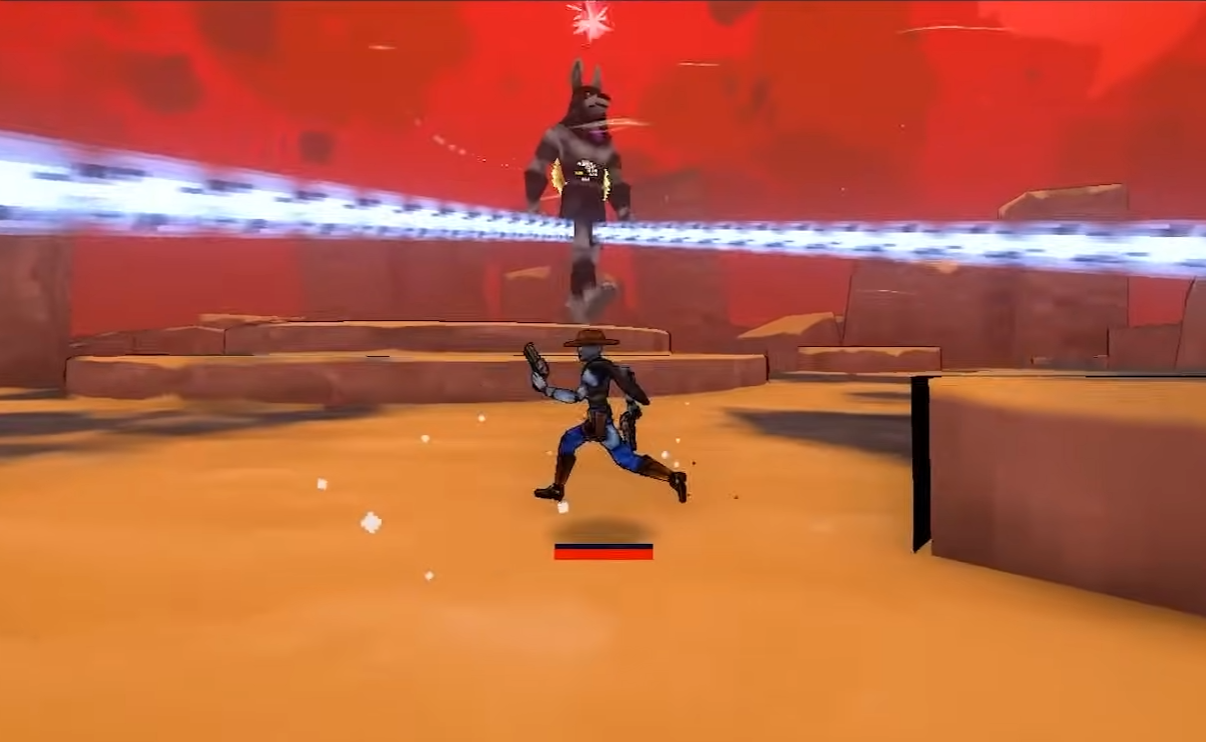
Every Single run becomes a comedic sandbox of reactions because of how dynamic the enemies are. They do not just fall over. They bounce and crash into each other, creating chain reactions that feel both strategic and funny.
In the same way, older Rougelike games focused on survival, and modern ones emphasize progression. Megabonk does both with a sense of expression.
Every run is customized to your play style, or however you are feeling that day. Allowing you to leave and come back and still have fun while playing.
Failure redefined
The reason these games and this genre as a whole work is that they actually understand that players do not mind failing. They do mind when they fail
for no reason tho.
Over the years, this genre successfully evolved without losing its core identity.
Each run manages to tell a nice story.
Each failure is a lesson, and each one
of these victories feels earned.
And somehow, for some odd reason, after losing everything for the tenth time in a row, we lean into the screen
in full focus and determination.
And say “One more.”