Writer: Tarik
Designer: Yato
Date: 17/11/2025
Time to read: 10 mins
Picture a young Japanese man walking into Nintendo’s office in 1977 with nothing but
an arts degree and zero experience in video games. Now fast forward a few decades,
and he is now responsible for the creation
of characters more recognizable than world leaders. It makes you question how does someone go from designing toys to
building an empire that houses the blueprint of modern gaming? The answer is his philosophy, which is so simple it sounds absurd: fun first, everything else later.
THE FATHER OF MODERN GAMES
From toy designer to gaming legend
Before Miyamoto became the father of modern gaming, he was just a kid, exploring caves near Kyoto with a lantern and a sense of wonder. That sense of childhood curiosity would later
be at the core of gaming’s most iconic games. His path to Nintendo wasn’t straightforward, and his start at Nintendo had nothing to do
with the red and blue pixels we know today.

Happy little accidents
Miyamoto didn’t just burst into Nintendo’s office demanding to make video games. One of his first tasks was designing arcade cabinet art
and helping with toy concepts.
His moment to shine came true when Nintendo desperately needed to salvage a failing arcade game called Radar Scope, and that’s when
the legend stepped up. The result?
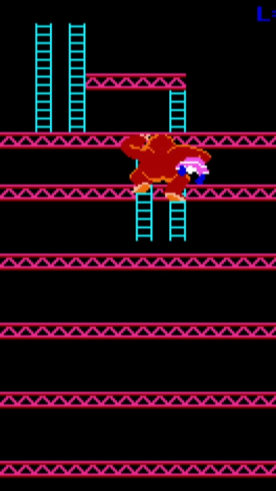
Donkey Kong. A game about a short carpenter,
a gorilla, and a lady in distress that accidentally reshaped the whole industry. Not bad for
a first try.
A philosophy that shifted the industry
While other designers were preoccupied with graphics, Miyamoto asked a different question: Is it fun? Miyamoto genuinely believed that if
a game was not enjoyable at its fundamental core, no amount of fancy visuals could save it. This was the philosophy that made Miyamoto
the man he is known to be today and eventually shaped how the entire industry designs games. But Miyamoto’s genius was not stopping there;
he was not just creating games; he was building entire universes that felt alive. He himself had understood something no one at the time did,
Players want more than just to see their world, they want to touch it, poke it, and see what will happen. Every bush could be hiding a secret. Every single pipe could lead somewhere.
This approach to world-building became
his signature style.

Mushroom kingdom’s genius
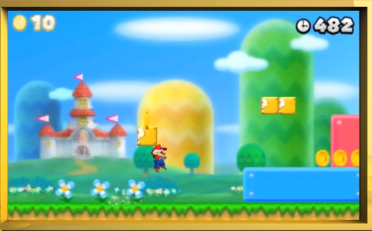
Super Mario Bros wasn’t just some basic side scroller. It was a masterclass in guiding players without a tutorial. In fact, the first level alone introduces every core mechanic through pure gameplay. See that Goomba? You figure out
how to jump to get out of the way
and accidentally land on its head and realize you can kill it. See that question mark block? Your curiosity makes you want to hit it to see what happens. Miyamoto designed worlds
that truly communicated through interactions,
not instructions.

Zelda’s legend
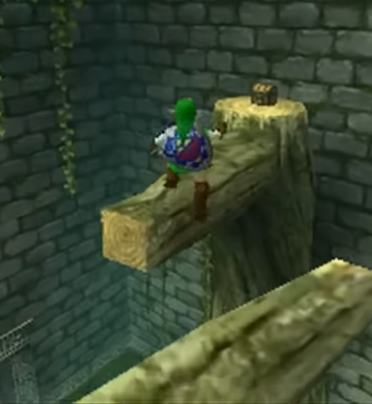
When Zelda first released, it did something very daring. It trusted players to get lost in its maps. No quest markers, no waypoints, just a sword and your curiosity for discovery.
Hyrule was an inspiration that originally came from Miyamoto’s attachment to the countryside, translating that feeling of stumbling onto hidden caves into its digital form.
That’s what made Zelda feel like an adventure, not a frustrating task. Everything felt authentic, which makes the player immersed in its beauty.

What makes Miyamoto’s games hit different?
So what exactly makes Miyamoto’s games feel like the way they do? It is his methodology that is behind the magic. They are a set of principles that have guided every design all the way back from the 1st Donkey Kong to Breath of the Wild. Miyamoto was not obsessed with being the first. He was obsessed with being the best.
While competing game designers were rushing to implement new tech, he focused on refining and perfecting existing ideas till they became unforgettable. At the time when the Wii came out, motion capture was not new, but his team polished it to the point where swinging a remote felt like swinging a sword. As he famously said:
“A delayed game is eventually good, but a rushed game is forever bad.”
Gameplay first
This may sound shocking, but in a world where games are either cinematic stories or shooters, Miyamoto prioritizes gameplay over narrative.
His logic still stands to this day: If the ongoing gameplay is not engaging, no narrative can save it.
Mario’s whole story fits in one single sentence, yet millions obsess over it. And you have Link, who has barely said a word, but players form deep connections with him through exploration. He proved that gameplay could tell stories that cut scenes never could.


Why is he still relevant?
Gaming has changed drastically from the days of Miyamoto’s early career, with online and live service experiences taking over the market. The industry barely resembles its roots from
the arcade days.
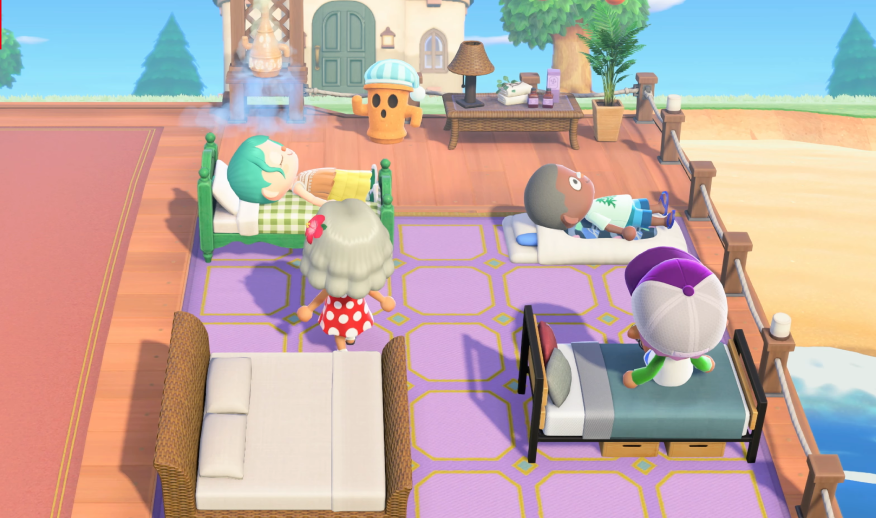
Yet Miyamoto’s core principles still remain true. Nintendo’s continued success with franchises like Splatoon and Animal Crossing shows that putting the player experience first is never
a bad idea, regardless of technology or trends.
He who taught the world how
to play
Shigeru Miyamoto did not just create our beloved characters. He completely changed how we approach interactive entertainment. From that first Donkey Kong to the modern open-world games, Miyamoto’s inspiration
is truly everywhere.
He proved games can be art without forgetting about the players. In a world that is consistently chasing the next big thing, Miyamoto’s legacy reminds us that some trusts are timeless.
Not bad for a kid who just had a dream.