The baker behind the portal cake
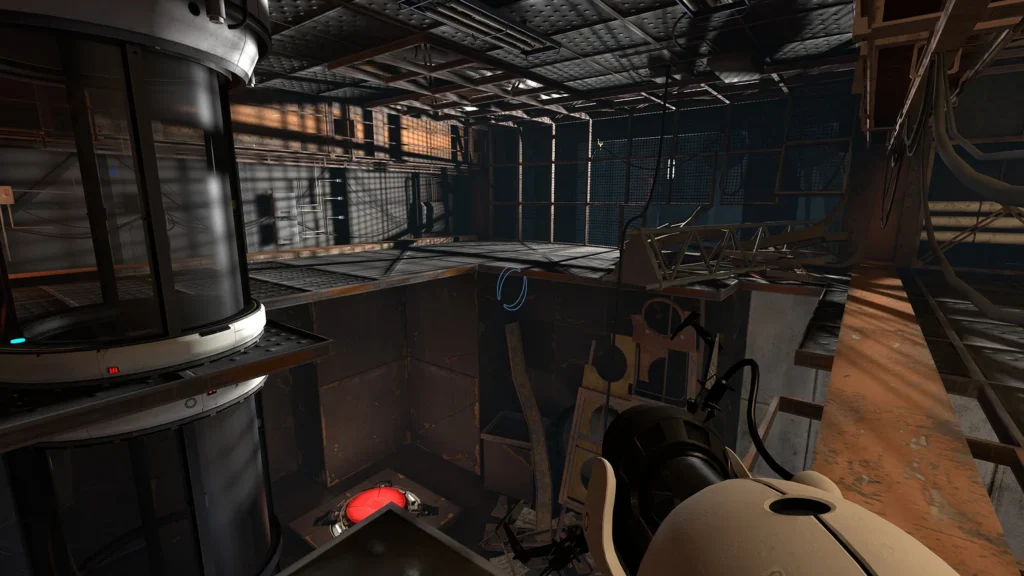
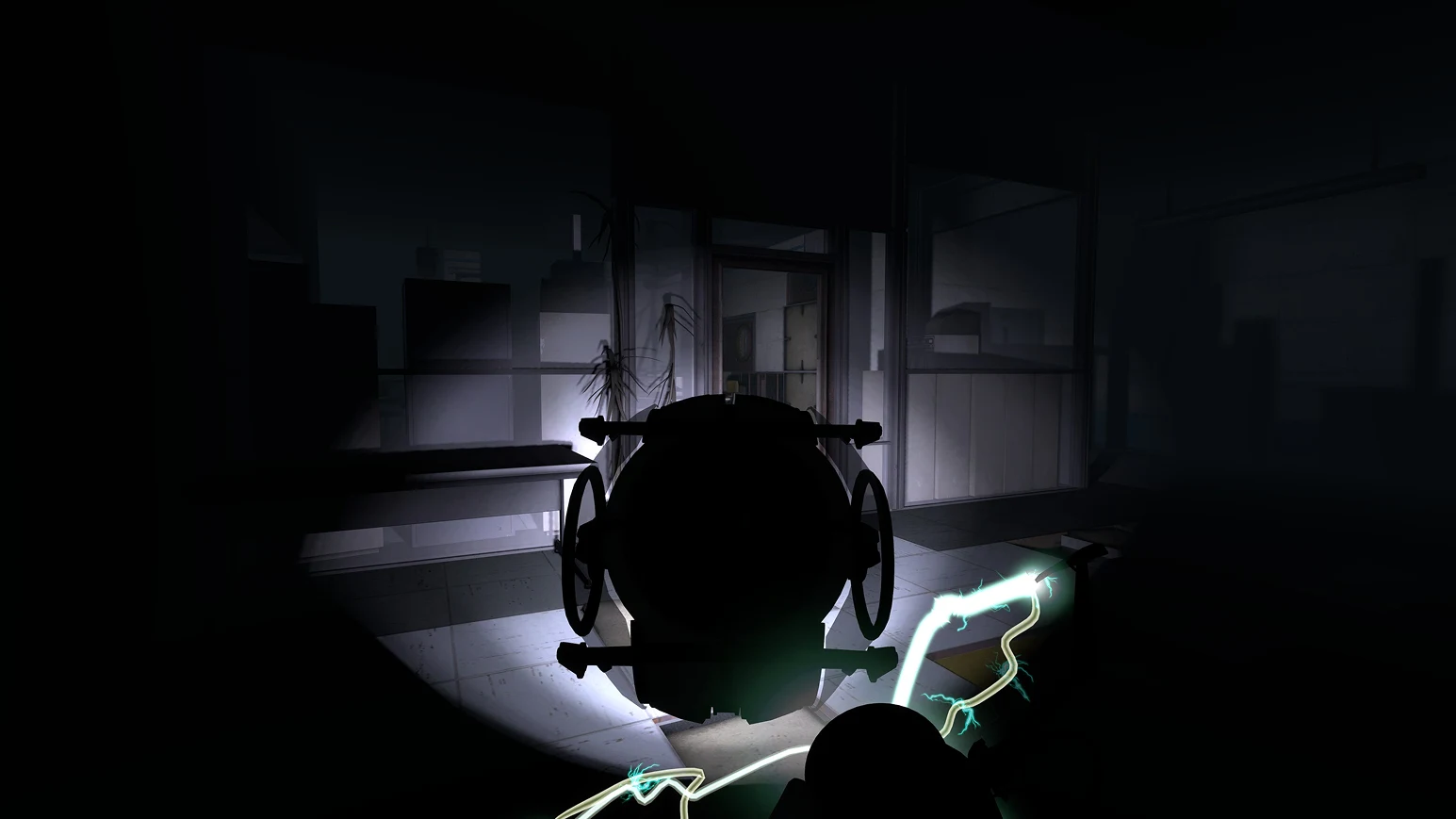
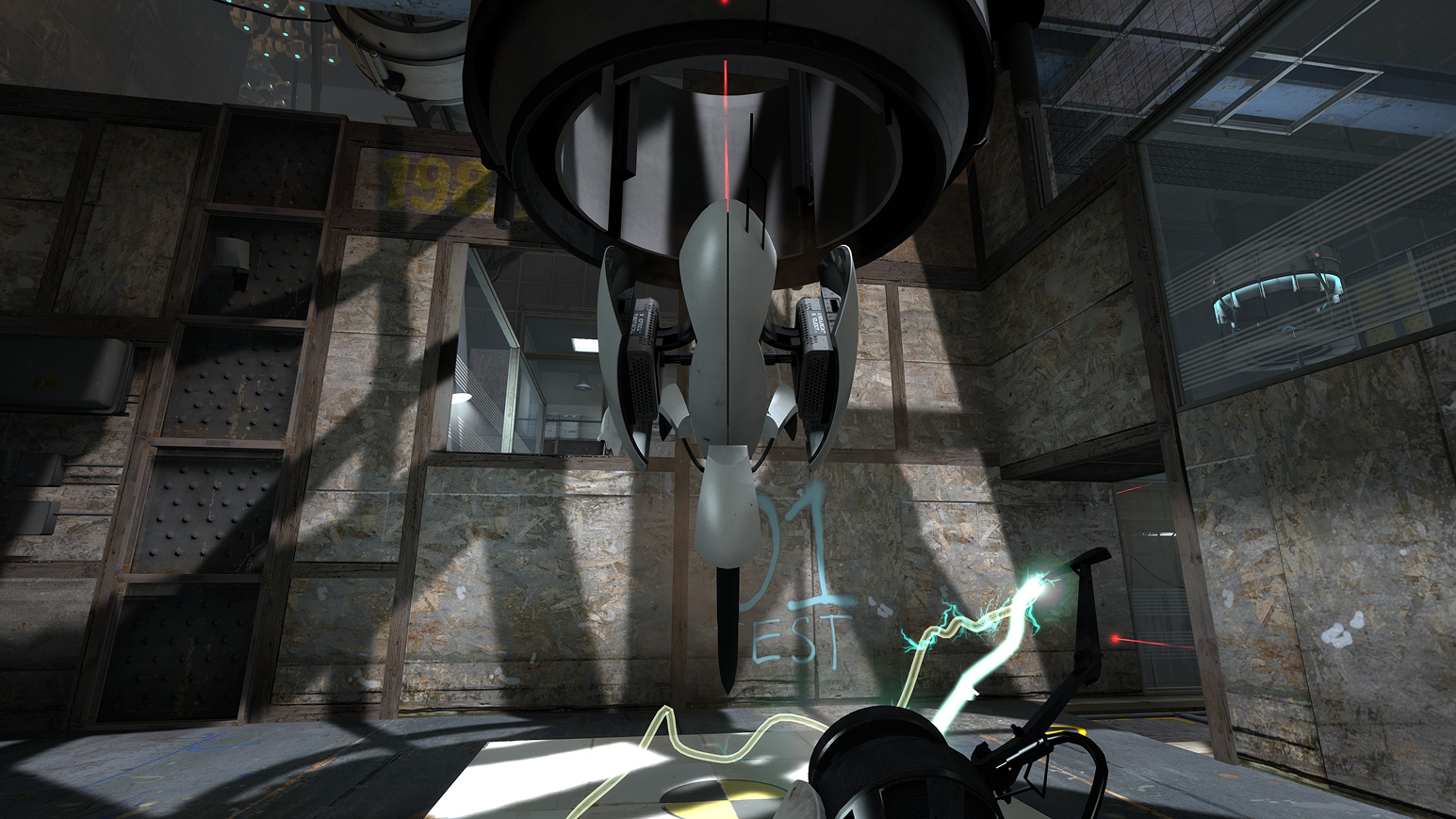
It all started as a simple school project, which turned into the most influential game ever made. Portal was the game that pinned Kim Swift on the map, making Gabe Newell himself hire her. Proving that passion
can take you far.
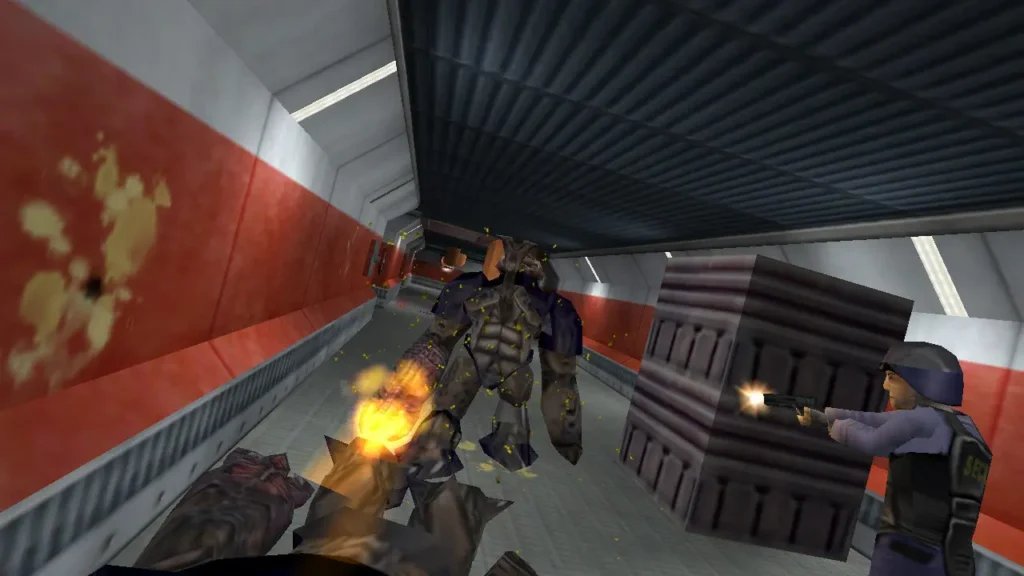
Beyond Portal, Swift left her fingerprint on some of Valve’s most iconic titles. Titles like Left 4 Dead and Half-Life 2, to name a few. She was a creative genius who showcased her ingenuity in the right place at the right time.
While leaving Valve brought some tears to some of the fans who were hoping Valve could start counting to 3, it was not
the end for Swift.
Writer: Tarik
Designer: Yato
Date: 26/01/2026
Time to read: 10 mins
From a passion project to a cultural phenomenon
Most games start with some sort of pitch meeting, a budget, and a marketing plan. But Portal started with no such things.
It began as an idea thought up by a group of capable students, with the confidence
to make it happen. Swift did not follow
a traditional path into the industry.
She stood out because of her creativity and willingness to build something weird just because she could. Her journey was proof that true innovative design can survive the classroom board and turn
into a global release without losing
its identity.
A Narbacular drop from heaven
Narbacular Drop was the name designated to Portal before its fame. A DigiPen student project built around the simple idea of traveling through space and time through
one hole to another, inspired by Dr. Who.
But the people at Valve did not share that same enthusiasm Gabe showed when he first saw the game. Robin Walker was the reason Portal came to be, as he was the person who first evaluated the game. When he first
saw the game at the DigiPen exposition,
he started highlighting everything that was wrong in it, from design elements to art, eventually describing it as Quake gone wrong, from how brown the game was.
The comeback
But what Robin did after was why the game Portal came to be, a simple action that led Swift to bring her dream to reality.
He simply left his business card in Kim Swift’s hand before rushing to look at
the other student projects.
After the event, the team felt defeated as no one else had shown any form of interest in their game, but they remembered that they had Robin’s card, so one of the team members emailed him, not thinking much of it, but to their surprise, he answered.
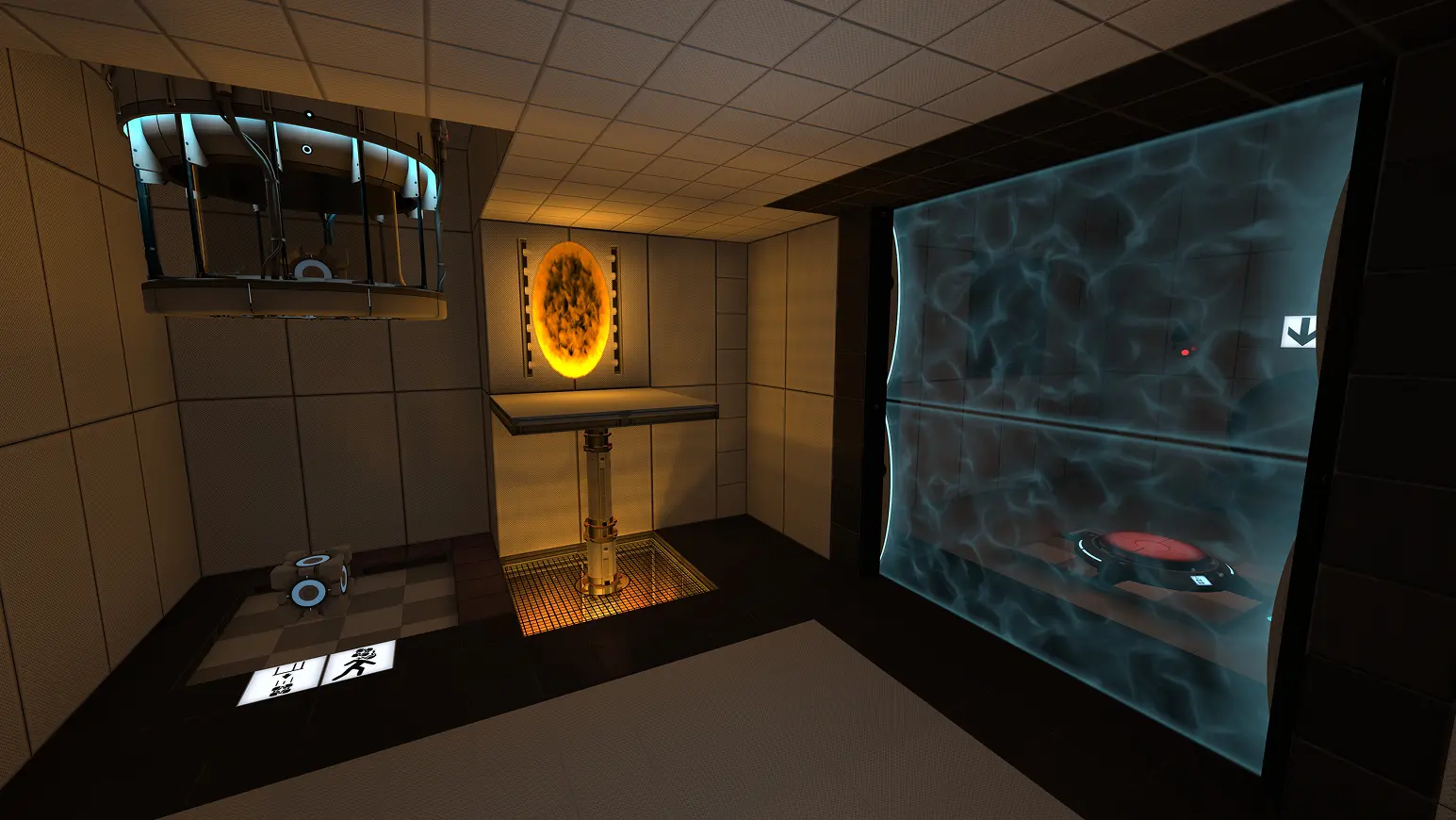
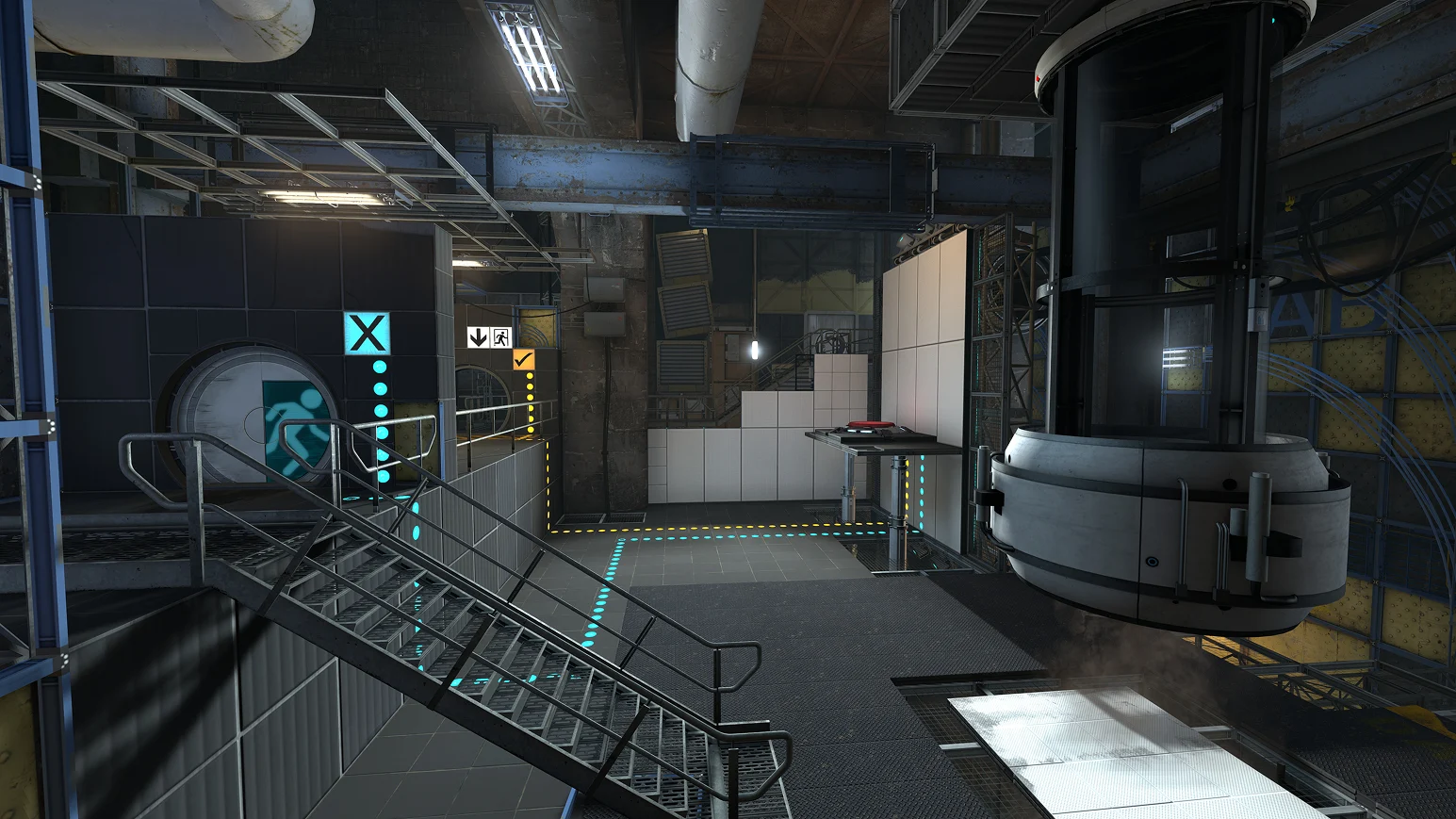
He invited the team to bring their game personally to Valve’s office to showcase the game and get some feedback in person. The team was ecstatic to go, but when they reached Valve’s office, they were provided with a big hall to demonstrate & showcase the game. dumbfounded, the hall got filled up with people, and Gabe was one of them. He stopped the team mid-presentation
and hired them on the spot.
What made portal stand out
The problem with most puzzle games is that they overexplain themselves in the hopes that the player doesn’t get confused to the point of getting stuck. Or maybe too few instructions, leaving the player in the dark, not knowing what to do next.
Kim Swift’s design philosophy avoids both extremes by letting the game subtly teach the player. In Portal, humor is not just
a knack. It is part of the deep learning process. making the game feel smart without looking down at the player.
ENVIRONMENTAL storytelling like no other
Instead of cutscenes or exposition dumps, Portal tells its story through its unique environment and digestible dialogue from your fellow robots. An approach by Swift that shaped the genre we know today.
A design approach that trusts the players to piece together the narrative themselves as they explore the world. Which, in turn, made discovery feel personal and rewarding as they uncover the world’s secrets.
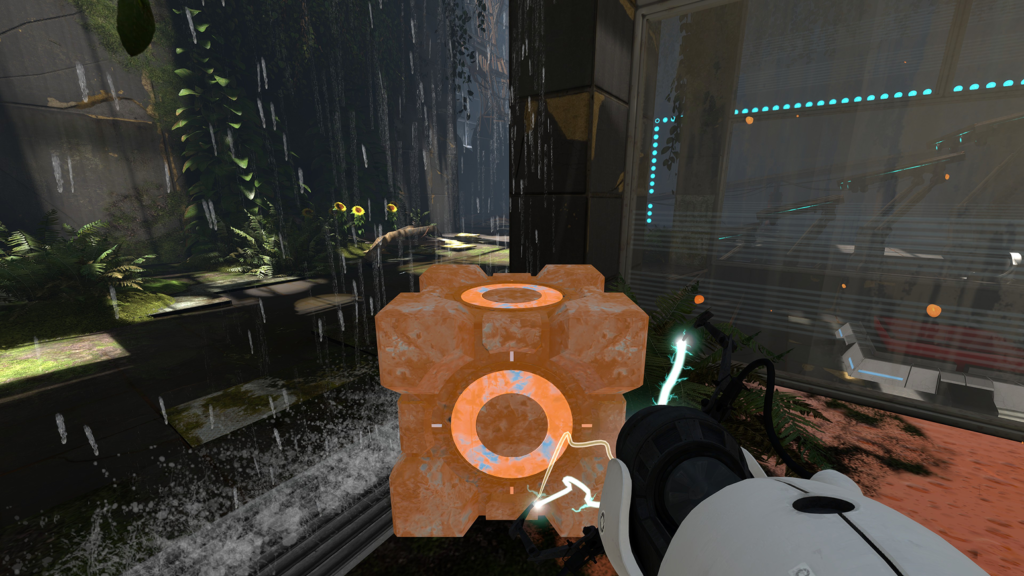


and quick because of how the levels are designed not to cause any frustration if repeated. Not to mention the pacing that ensures you are confident in your abilities before increasing levels of difficulty, putting this game in a league of its own.
Because of this approach, Kim was able to influence many of the games that
came after it.
She trusted the player to be intelligent
enough to figure out what they need to do on their own, making learning feel like discovery rather than a set of commands, making the game all the more fun to play.
Learn as you play
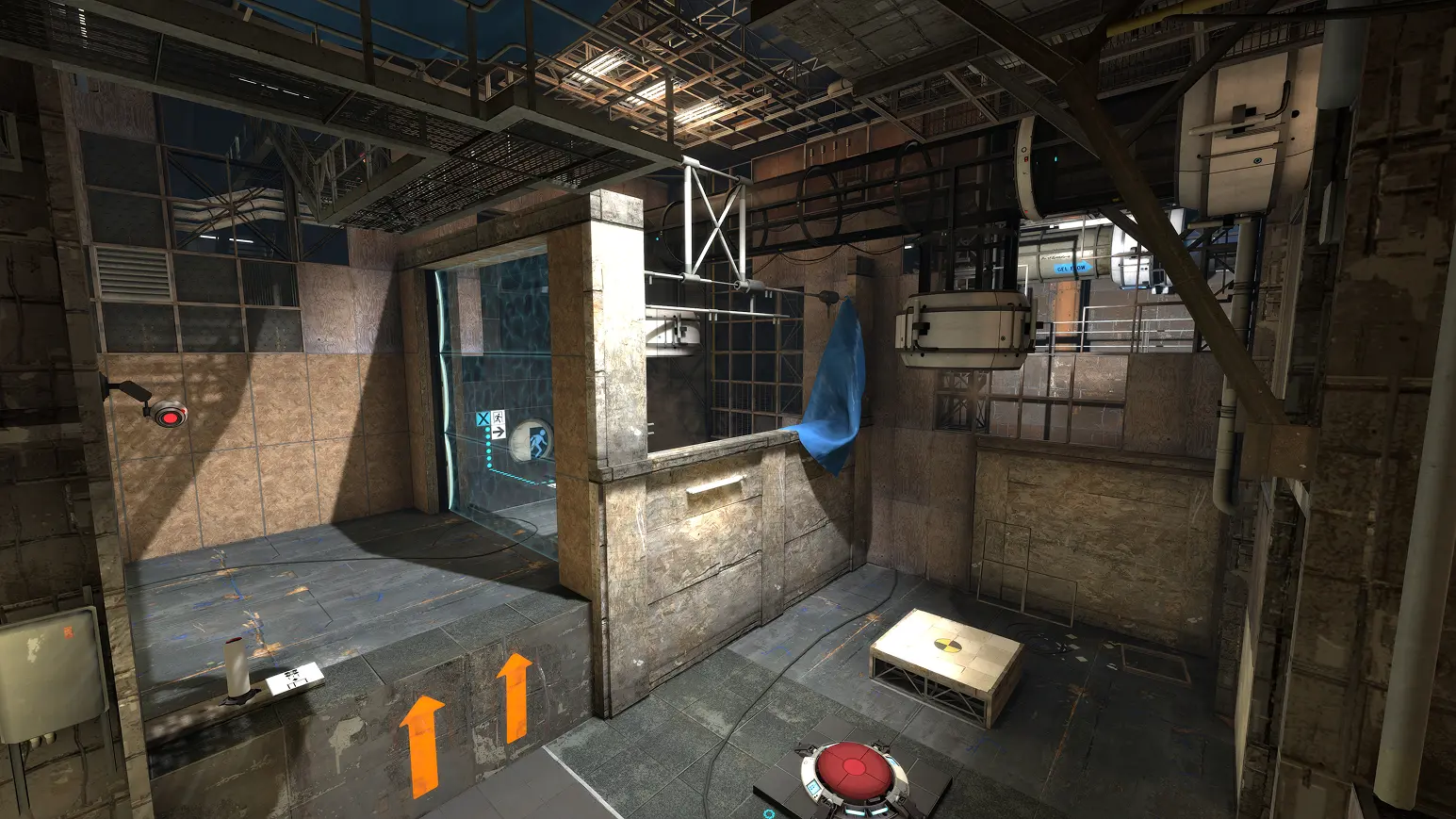
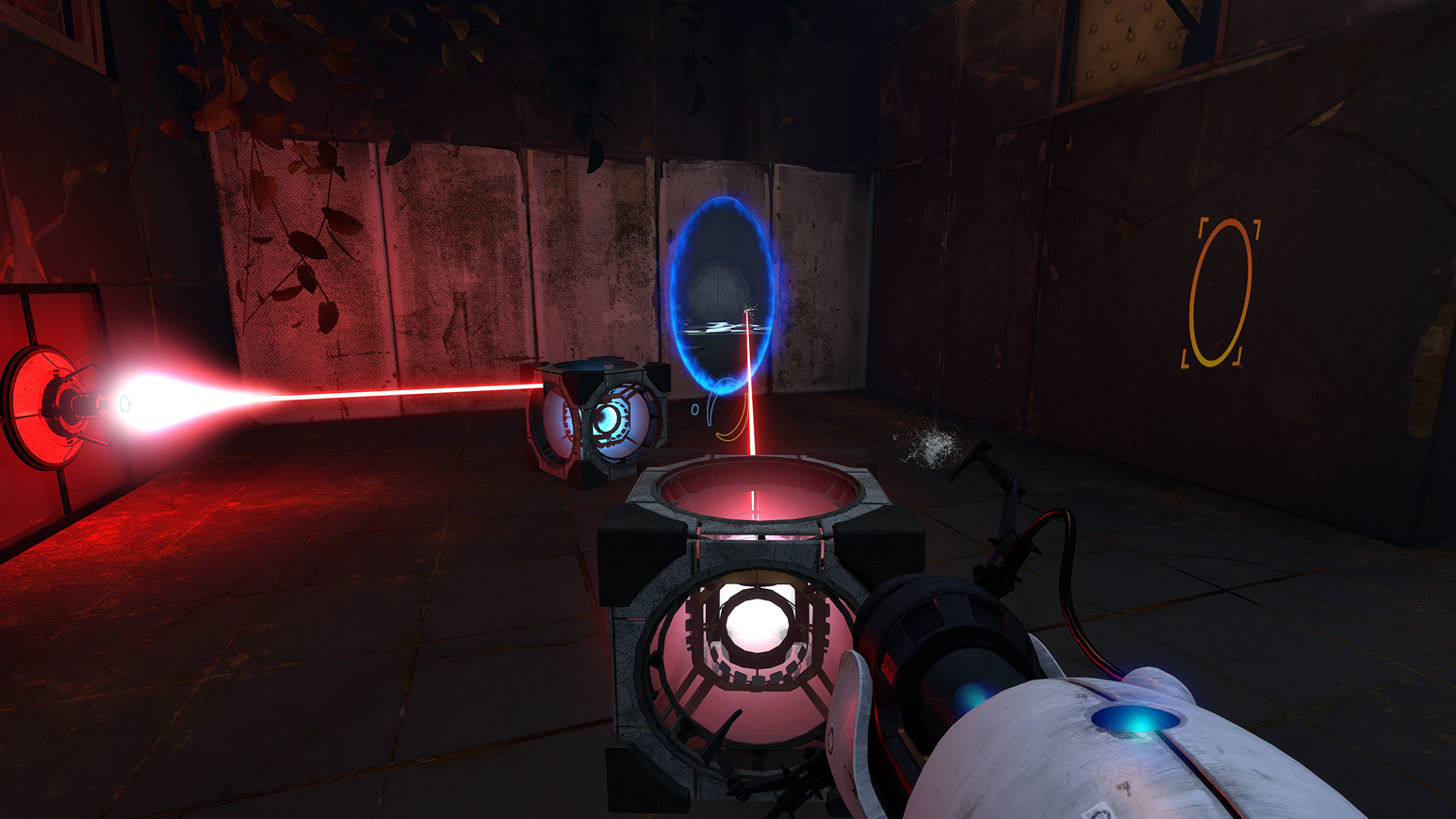
One of Kim Swift’s more influential design principles was that players learn best by doing, not by being told what they should do. As a matter of fact, in Portal 1 & 2, tutorials are built into the level design, appearing as graphics on floors or yapping from a robot rather than distracting popups that ruin the immersion.
A design that allows every new chamber to introduce a new mechanic in a controlled way without overwhelming the player in any way. sequentially encouraging players to experiment, make mistakes, and learn as they play. This turned problem-solving into an actively enjoyable experience.
And even failing is often humorous
Beyond portal
To be fair, it is easy to associate Kim Swift entirely with the Portal franchise, but doing that does not do her justice because it completely overlooks how her design principles influenced many other major releases from Valve.
It is true she did establish her presence in the industry through the game Portal, but that same discipline that was put into Portal was carried over to many different games and genres. Games outside of Valve, Star Wars: Battlefront II, for example,
which she was the design director of.
Showing that her design sensibilities are a force to be reckoned with, in and out
of Valve.
But Why did she leave Valve?
Kim Swift left Valve in 2014, but it was not because of any drama or even burnout. It was because she wanted to take a step in a new direction. After the better part
of a decade of working at Valve’s studios, she had felt that she already left quite
a defining mark, and would like to pursue her passion elsewhere.
And because of that step, Kim Swift was able to be a part of games like Quantum Conundrum and Soul Fjord. Making sure to continuously innovate, improve her craft and chase her dreams.
Where is she now?
Speaking of chasing dreams, where is she now? Well, after leaving Airtight Games, which is where she developed Soul Fjord and Quantum Conundrum, she got employed at Amazon Game Studios, working as a design director, then becoming Sr. PM broadcaster success to Twitch Prime till Dec 2016.
Then leaped back in 2017 into the gaming industry to work at EA, where she took on
the role of the Studio Design Director, leading the talented team that developed Star Wars: Battlefront II, which was then released on Nov 2017. Prompting her to change course again and become one of
the game design directors at Google Stadia in 2019, before the project got shut down in 2021. Subsequently, leading to her last move before settling down, working at Xbox for 3 years, and now at NEARstudios Inc., producing her next big hit. So yeah,
she has been busy.
Something to remember
Kim Swift’s career has been nothing short of a spectacle. From her student-created foundations of what used to be Narbacular Drop to the well-known and lasting legacy of the Portal series,
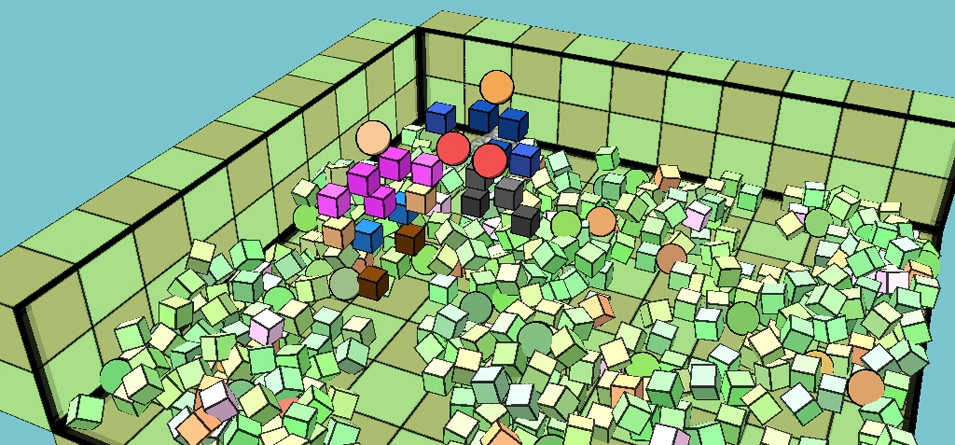
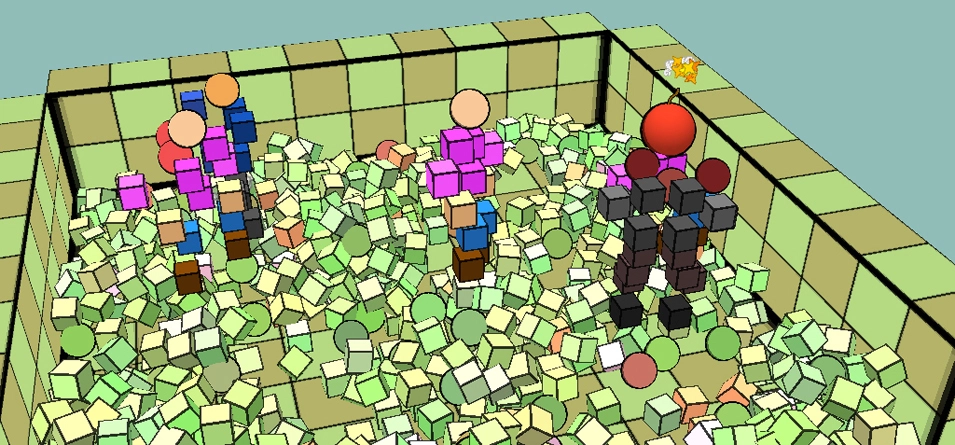
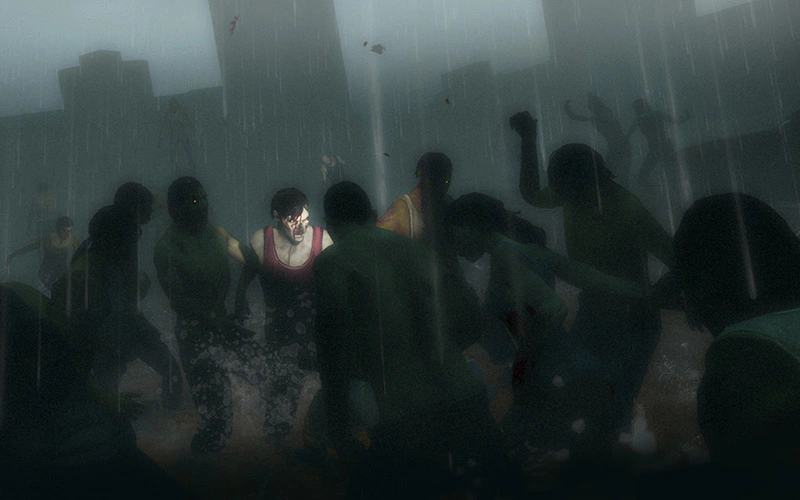
Swift helped redefine the genre of puzzle games and what it actually means to play them. Not to forget, her work at Valve did not stop at Portal, but she also had a big part in shaping the design of Left 4 Dead.
Taken as a whole, Kim Swift’s impact lies not only in the games she helped create, but in how they taught us (the players)
to think, explore, and learn through play.
Today, her work continues to influence,
but behind the scenes, shaping how games
are made rather than just how they are played. And because of that influence,
she came to be one of, if not the most important, designers of her generation.