SOLO TEAMS THAT MADE THE DREAM
Video game development is a huge endeavor. When we think about it, we cannot help but think of big studios, massive teams with endless and long meetings.
Just look at whichever triple-A game’s final credit list, the hundreds of names that made those games possible. This is as real
as it gets. However, not always the case.
Once in a while, a game will show up and break that standard. Those are the games we will touch on in this article, as well as the people behind their success.
Have you ever gotten the feeling that some games you play are different and sort of personal? Maybe you are behind a project that came from a single passionate soul.
Someone who refused to let their idea go. Not everything needs to have a big budget or showcase a flashy trailer to catch our attention and pique our interest.
Some games are built even if they have no guarantee of success. Those are stories about perseverance. Worlds created in
small rooms shining in the eyes of millions.
Writer: Bambie
Designer: Myra
Date: 10/02/2026
Time to read: 15 mins
Cracking a digital puzzle!

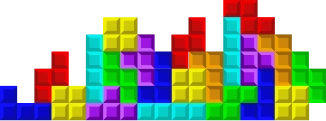
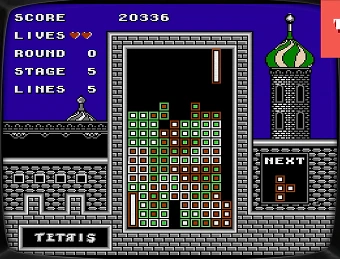
The classic Tetris game was built by one guy. Alexey Pajitnov was a software engineer working for a research institute back in
the early 1980s when he thought about making puzzle concepts on a computer.
Alexey started with testing a simple idea: different falling shapes made of blocks. What started as an experiment became
the first version of Tetris. There was no
business plan or publisher deal.
It was just an idea that spread amongst his own coworkers, then across the Soviet Union, and eventually beyond borders with unofficially released ports.
A simple idea made legendary!
Tetris is almost too simple. Shapes that fall, you rotate them, and try to complete a full line. Once you get a line, kaboom! It is gone.
But behind that simplicity lies something quite hypnotic. As the game progresses,
it creates a subtle pressure. You are one wrong move from failure, but also a good placement from saving the round.
Tetris is for all ages, as folks understand it within seconds. However, very few will become real masters of it.
About legacy? Well, Tetris sort of defined handheld gaming with its connection to the original Game Boy. It proved games
do not need complexity or big cinematic graphics to become timeless.
The block that holds a world!
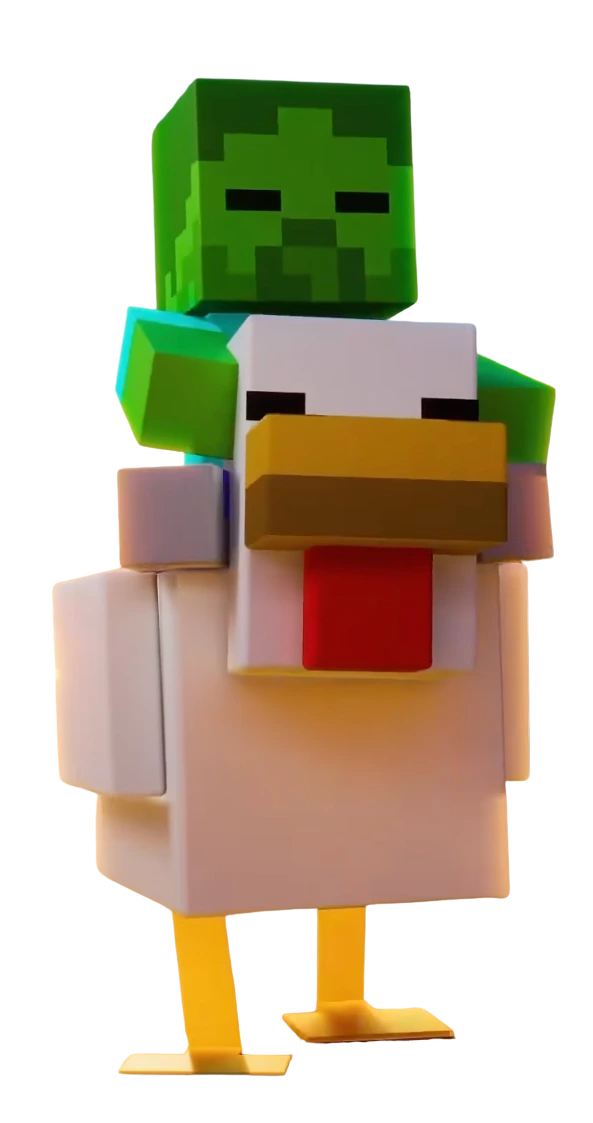
Love it or hate it, who has not heard about Minecraft, right? No matter what we think of it, we cannot deny that this game made
a massive impact on the industry.
His creator, Markus Persson, also known as Notch, is a programmer who spent years working on regular development jobs while experimenting and creating small projects on the side of his everyday job.
He was quite engaged with sandbox-style games, as he loved the freedom that they would offer when it came to creating your very own spaces.
Around 2009, he got curious about a simple idea: a blocky world where the player could build, dig, and survive while creating any environment they wanted.
A single person started what later became
this global phenomenon.
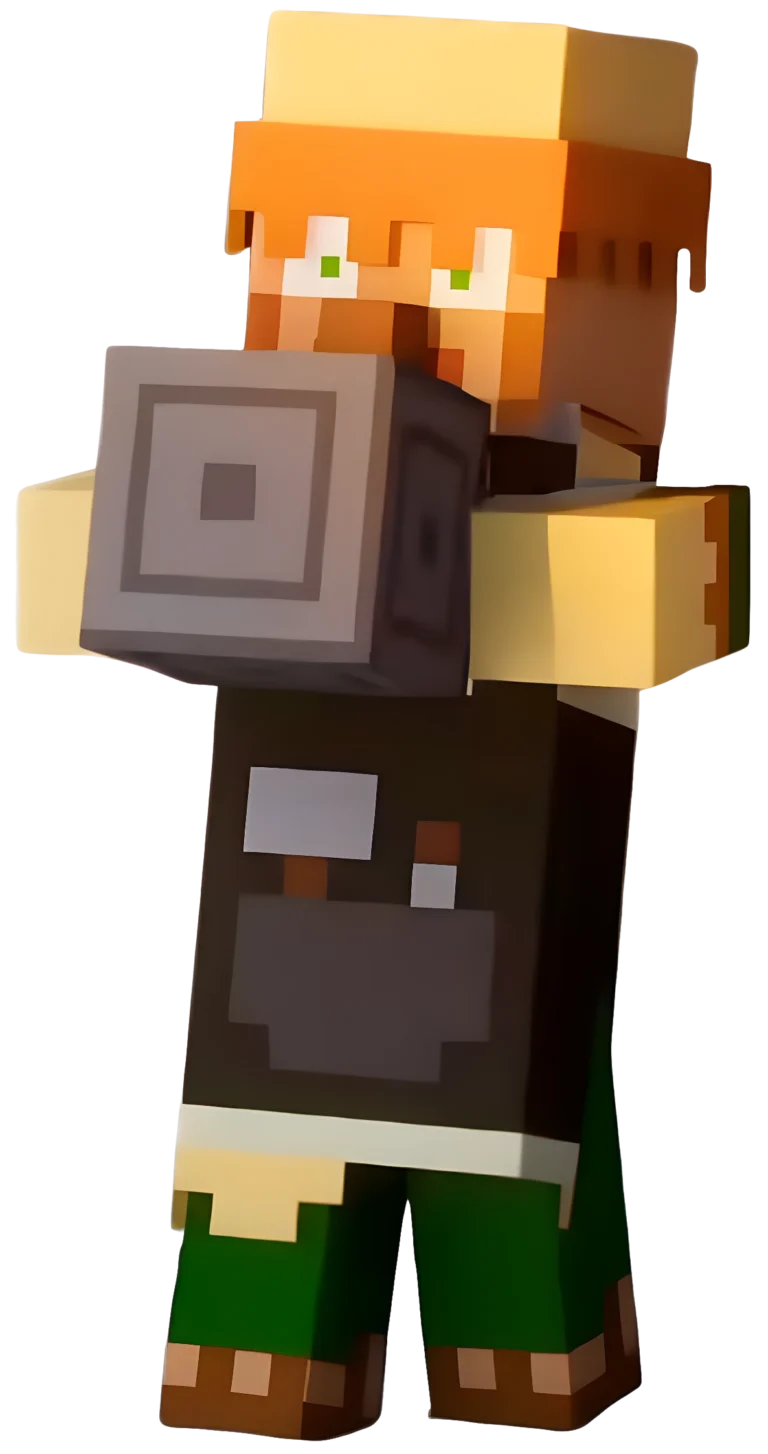
A playground without limits!
Notch worked on early versions of the game and started sharing online updates while getting players’ feedback.
It was a living experiment performed with the community. The project grew beyond Notch’s expectations, so he decided to
form Mojang, the studio that Microsoft itself would later acquire.
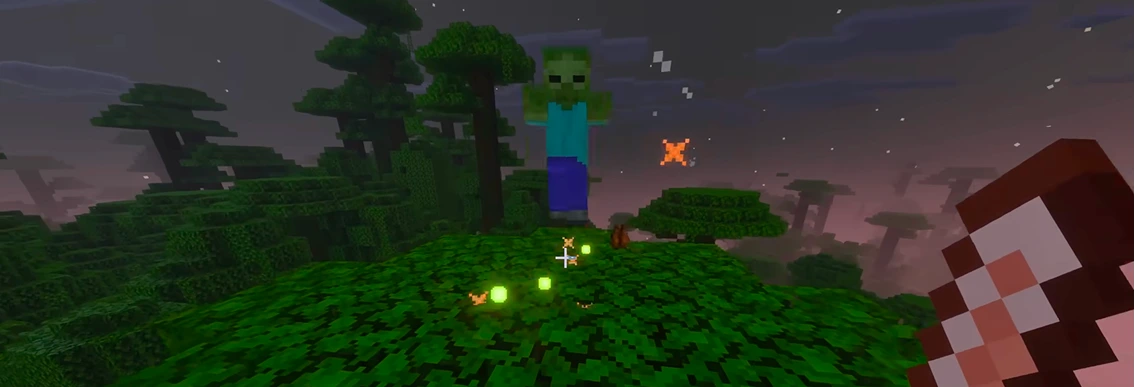
If you think about it, Minecraft kind of looks unfinished. You know, chunky and pixelated blocks, simple textures, and no storyline.
How does an unfinished-looking game get so addictive, then? Well, as soon as you start playing it, you realize Minecraft just clicks. You begin with almost nothing, and you have to punch your way to survive.
The magic behind? The endless possibilities that the world offers are the game’s greatest strength.
Minecraft is the best-selling video game of all time, with over 300 million copies sold.
It proved that games can shine by giving free space to create. It is the world’s digital playground for gamers.
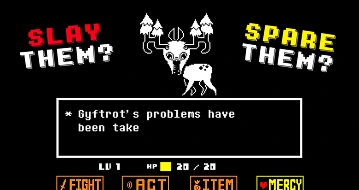
Are all monsters enemies?
Before Undertale’s boom, Toby Fox was just a casual developer. He was still a student and a huge fan of RPGs who would spend most of his time creating small projects
like ROM hacks and even music.
Toby was particularly interested in how games would make the players feel rather than the gameplay itself.
The game EarthBound was a big inspiration for him, and here is how Undertale’s idea started to take shape.
Toby’s vision aimed towards an RPG where fights would be optional. One where every monster was not necessarily an enemy,
but just another character.
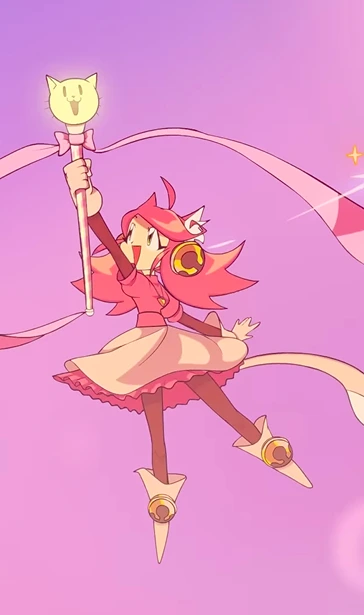
One where the player’s choice would actually matter and would have an emotional impact.
He wanted to explore a territory where
the thought was: “What would happen if
a game remembered how you behave?”
So there he was, writing Undertale’s story, designing memorable characters like Sans and Papyrus, programming the system,
as well as composing most of the music.
His whole vision was mainly executed by him.
And it could not have been more personal than this.
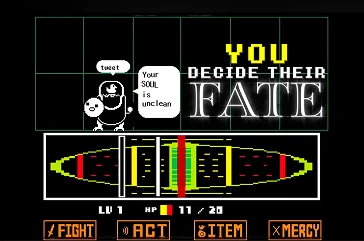
Undertale
Your choices have consequences
As a pixel art game, Undertale seems kind of simple-looking. You know, small environments, almost basic combat display, things that make it feel like “this is going to be easy.”
Once you start playing, you realize it is not
a generic RPG. The enemies have their own personalities, and every encounter can be resolved without fighting.
The game will always react to your behavior, asking why you did something and sometimes challenging you on it. Your choices will not be forgotten once a moment ends.
The game was released in 2015 and became
a massive indie success, selling millions of copies. Its soundtrack got so popular
that people who never played the game
got familiar with it. Yes, you know which little tune I am talking about! Megalovania got so easily recognized for its very high energy and meme status.
Undertale is living proof that a humble yet kind of weird and very personal project could shine and compete with big titles.
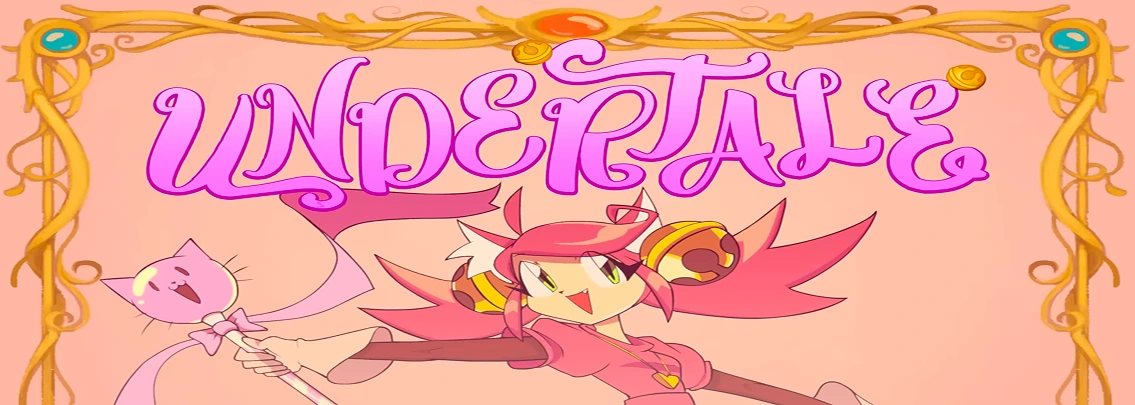
Big dreams can start in a small room
There are plenty more games we could talk about, but we are not aiming to bombard you with information, but rather inspire.
These are stories of very passionate people
who reached success even when they did not have a big studio behind them. Only a dream and unlimited drive.
The key we take from these people is their perseverance. Solo development can often be an uncertain road.
However, these creators showed that their games carry a genuine vision, and players will not look aside; they will pay close attention.
These games can have something in common: they are all about how to build something. Whether it is a house to survive or building bonds with monsters.
And if we look at other titles, then you have farm building with the country-like life RPG Stardew Valley, made by solo dev Eric Barone.
Or maybe the weirdly engaging game Papers Please, filled with moral choices and made
by Lucas Pope, another independent dev.
Together, these games highlight something unique: creativity is not always limited to
big groups. One person’s perspective can create a meaningful experience.
And who knows, maybe the next success is being cooked in some young man’s bedroom.


If one person can create
a universe, imagine what
you could start!
Want some inspiration?