SEGA, BEYOND THE BOX
The gaming industry is a ruthless minefield for gaming companies. Always trying to be the best and outsmart each other.
Many companies have tried and failed to succeed in the business. One of the most infamous companies was Sega.
Able to rival even the biggest competitors in the market, and over the span of 30 years, it made billions.
Its downfall was very public and shocking. Are they just another company that went down and nobody remembers anymore?
Having a successful company means that there are thousands of decisions to make. Did Sega make some wrong decisions on its journey through the console wars?
Gamers can be loyal fans, but they can also cancel a product or a company with the same fervor if they feel they are being wronged or deceived in some way.
Continue reading to find out if Sega was able to survive the war.
Writer: Sarovsky
Designer: Iv
Date: 05/03/2026
Time to read: 10 mins
The underdog awakes
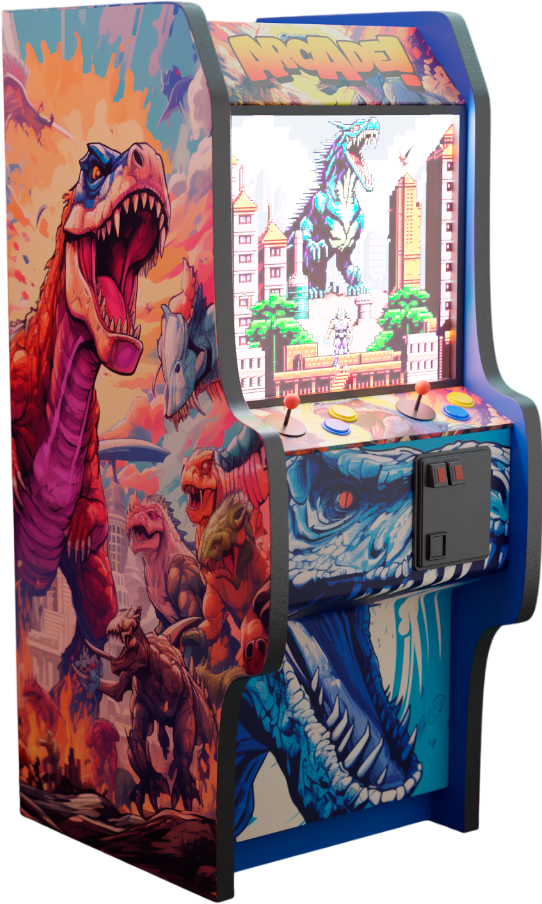
Service Games was an American/Japanese company founded in 1960. The name was later changed to Sega. Its main focus was arcade games.
Dancing their way into games
Sega started its business by selling slot machines and jukeboxes in the American base camps’ private clubs.
Next, the company started importing gun games and pinball machines from Midway, an American company.
They also started building their own game centers. At the time, people were not big fans of them.
They were seen as addictive, unhealthy, dirty, and gambling spots that were frequented by the lazy.
Sega made it its mission to build gaming centers that took pride in the level of cleanliness, fun, and safety.
With dozens of eye-catching games that were kept rotating, and tons of flashy prizes. Super family-friendly.
Some of the most popular arcade games Sega created were Virtua Fighter, Out Run, and Derby Owner’s Club.
“Welcome to the Next Level.”
– Sega

Unfortunately, the American machines were reused and would break down
a lot. The maintenance costs were not worth it.
It was then that they decided to evolve and start producing their own arcade games.
The company’s profits skyrocketed when they started using the games
in their own centers and selling to competitors.

Swimming with sharks
Once they had been in the gaming market for a while, the company decided it was time to swim with bigger fish.
Fish like Nintendo, which was already one of the biggest sharks. The new product was a home gaming console.
The Nintendo Entertainment System was the top seller. Sega had to strategize on how they would go against them and win.
It was during this era that games like Space Adventure and Pac-Man
were created as well.
Sega, hitting the ground running
The original “console wars” were fought between Nintendo, Sega, and Sony.
The Holy Trinity.
Dare to play Genesis!
When Sega decided to enter the console market with the Genesis, they wanted to show the world that their console was better than anything on the market.
One of their first tactics? Create a direct rivalry with Nintendo. How did they do it? Aggressively and with not a hint of regret. The plan was simple and ready to go.
Nintendo was more of a family-oriented type of company. They made games that were fun for everyone. Kids as well as adults. Sega became the contrary.
They were cooler. Their mascot, Sonic, was so much cooler than boring Mario.
Their marketing campaign included slogans such as:

“To Be This Good Takes AGES, To Be This Good Takes SEGA”
“Sega does what Nintendon’t.”
“Sega — Sentient Electronic Global Annihilator.”
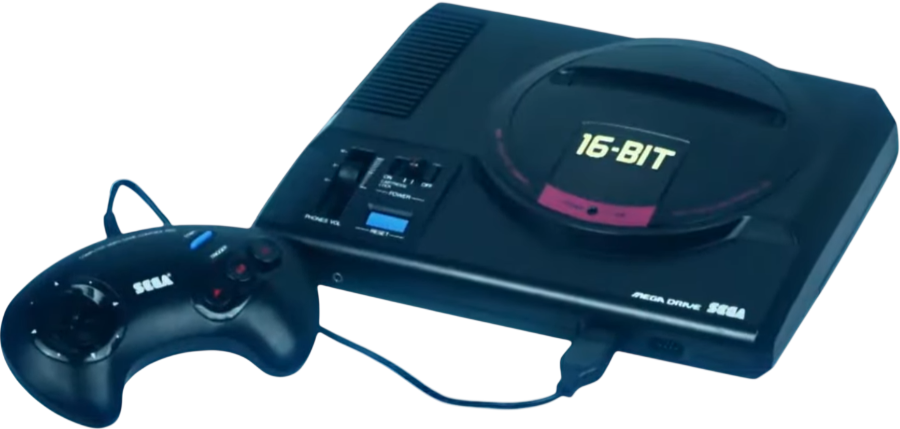
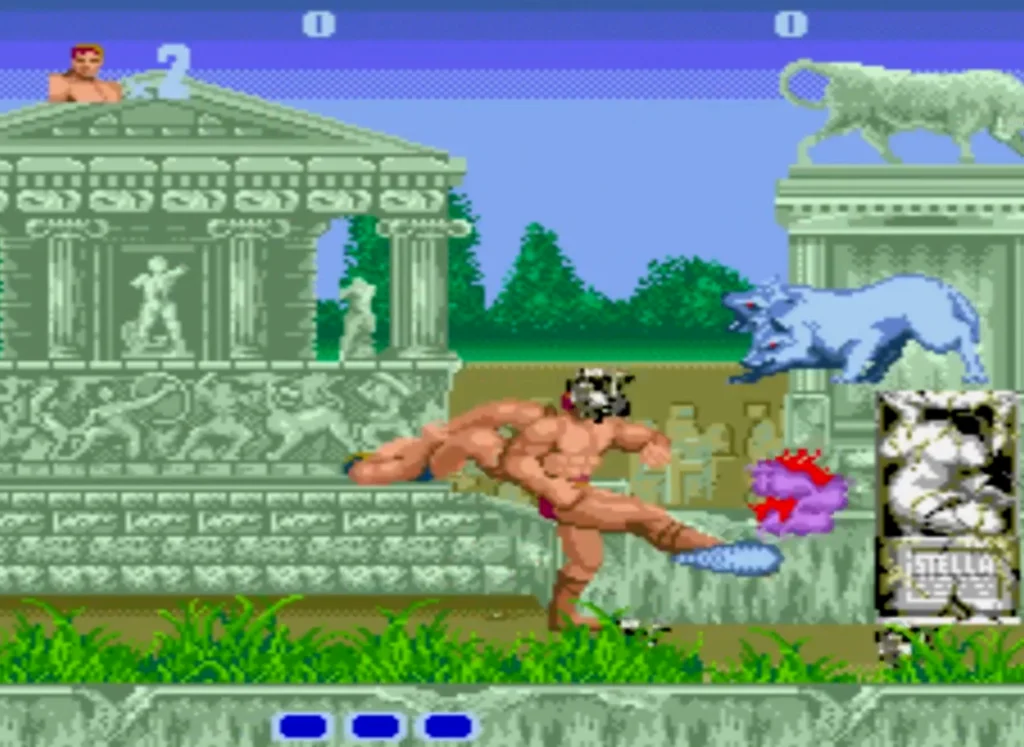
Details like being able to see all the blood in games like Mortal Kombat were enough to make people sway and become loyal to them.
They were the pioneers of 3D graphics as well as online features. One of the things that made Sega sell more worldwide was the fact that Nintendo had a very poor distribution system in Europe and Brazil, and Sega took advantage of it.
Their Golden Era was fruitful and made them billions. So why is Sega no
longer one of the top sellers?
The beginning of the end
Sega’s downfall started when it prioritized profit instead of customer service.
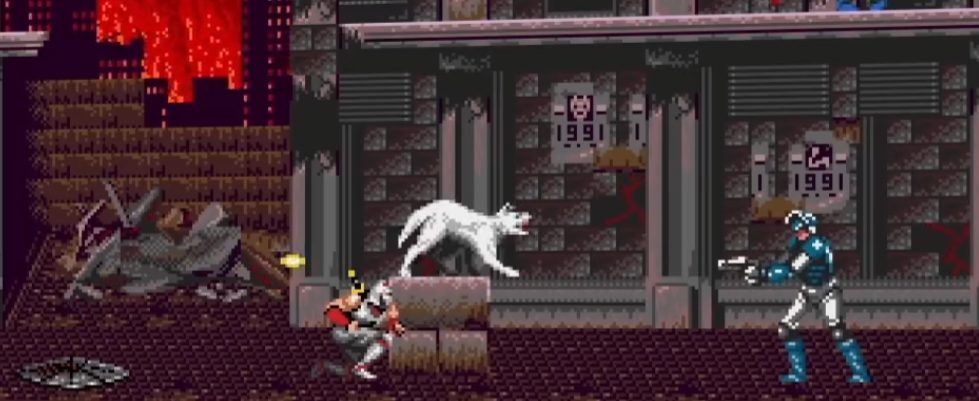
Monetizing joy
People often recount that Sega’s downfall started with the launch of the PlayStation, but before that, decisions were made that were confirmed to be later on disastrously wrong ones.
It started with the launch of the Sega CD and the 32X, peripherals that would only work on the Genesis. Expensive add-ons that required separate power bricks
and had a very limited game library. Underwhelming to say the least.
Customers who had already spent money
on these were hesitant to buy another
Sega products, like the Saturn console or
the Dreamcast. In 1995, one more wrong decision put an extra nail in the coffin.
The company’s unexpected announcement at E3, the Electronic Entertainment Expo, caught everyone off guard. The new Saturn, available everywhere immediately at 399$. This was a blatant lie. And Sega would pay the cost for it just a few minutes later.
The 299$ killing blow
Once Sega’s announcement was finished, Sony pledged 100$ less on the PlayStation price, killing any chance Sega had to make a large profit with it. Major retail shops had zero stock, and developers had no games.
All together, sales kept reflecting the major losses the company was suffering daily, and the friction between the Japanese
and the American branches were comparable only to war.
The Americans wanted to focus only on Genesis, and the Japanese wanted to
enter the 32bit era. The hardware they ended up creating was hard to program and expensive to manufacture.
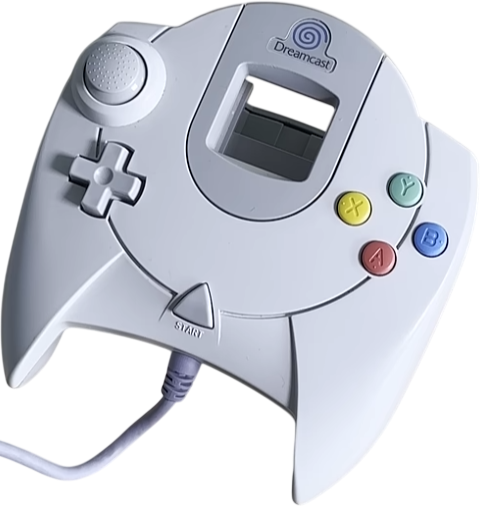
The final wrong decision Sega made was launching the Dreamcast. Their need for money was desperate, but to make even one was more costly than the gains.
Sega was sinking like the Titanic.
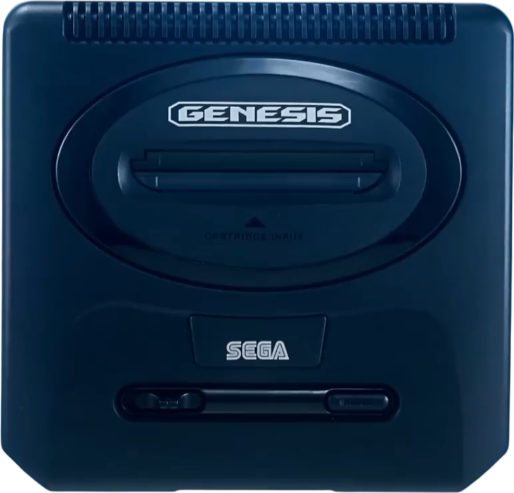
In January 2001, Sega announced that it would officially give up making consoles. Time for a new era.
Sega’s next decision once again changed the company’s history. They went back to the beginning, to making video games.
Their iconic characters, like Sonic, Sakura, or Beat, immortalized on its former rivals. Nintendo, Sony, and Microsoft.

Winning without hardware
I know this article turned out to be a bit heavy with the sinking and the bleeding money, but there’s a happy ending!
Sega was able to see that they could go back to where they started making real money. Software for the arcade games.
Admitting that a wrong decision was made and changing the course to better tactics was the best Sega could do.
They are thriving now simply by focusing on their “soul.” Software and the beloved characters.
They have established a dominant position in the modern entertainment industry
and are now a multimedia powerhouse.
There is a happy ending just like we said! We hope you enjoyed reading about Sega and now know that they did not sink!