Created by
Jahan and Alena
Date: 29/06/2026
IT STARTED WITH A GAME...AND EVERYTHING CHANGED...

The first time you play a video game is the beginning of a love affair that will transcend through your life. And if you were lucky enough to grow up in the 90’s
or early 2000’s, you would have had a lot of affairs.
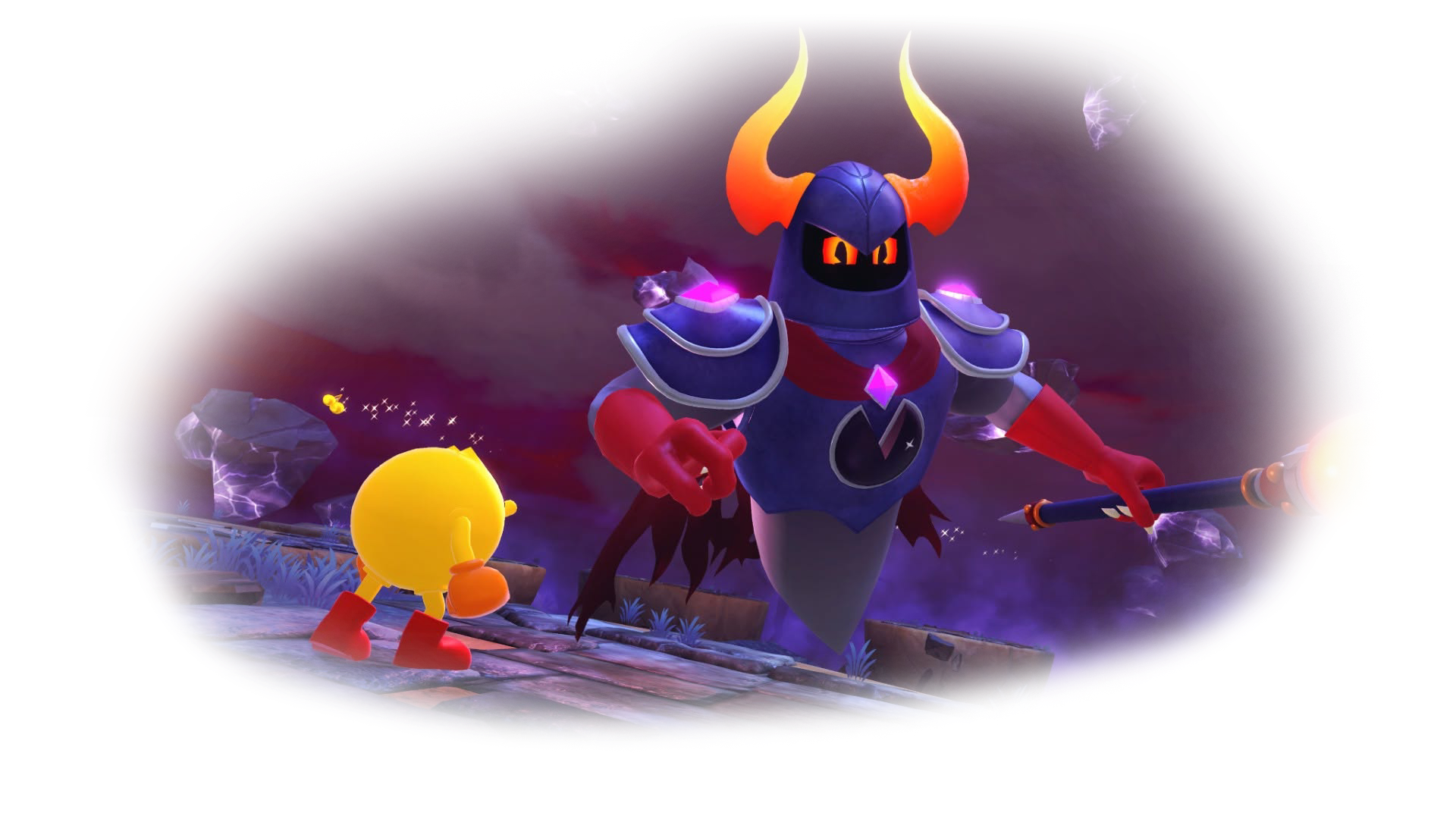
Many of us would have started out playing games like Super Mario Bros., Tetris, Pac-Man, or Space Invaders. Although games back then weren’t as technologically advanced, they were super fun to play and mentally stimulating. It built a competitive spirit, and there was always a final goal to reach before it was Game Over.
Games nowadays are still fun, but they are completely immersive and are viewed more as a lifestyle than a hobby. But what changed? How did gaming become such a huge part of our daily lives? Was it because of connectivity and technology? Or did video games evolve naturally along with society? Let’s find out.
A Point of No Return
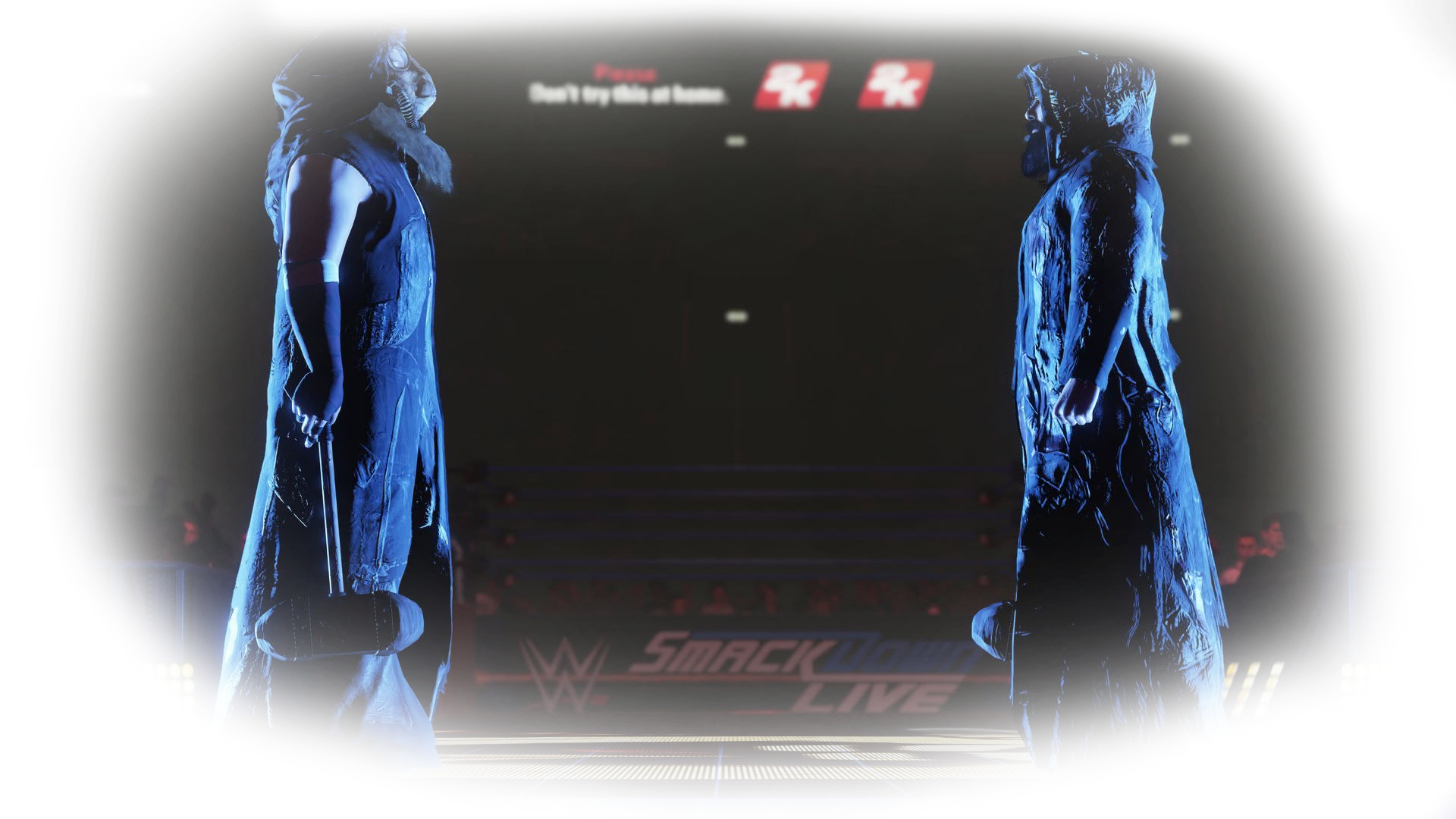
My journey with gaming began with the Snake game on an old Nokia phone, but the real awe of gaming came when I first came across WWE SMACKDOWN! SHUT YOUR MOUTH! on my friend’s PlayStation 2 for the first time. I had never seen anything this cool and fun up to that point in my life.
Watching these WWE wrestlers make their way into a squared ring and beat the crap out of each other with tables, ladders, and chairs was one of the most vivid memories of absolute amazement. It was the coolest thing to watch, and WWE was huge at the time, and I could not want a PlayStation 2 more.
The Initiation To Gaming
My parents gave me an ultimatum: get good grades and get the PS2, and you can bet that that year I read every page, did all my homework, and made sure I got those grades. Getting those grades was the catalyst for my love of video games. When I got that PS2, it opened far more doors to gaming beyond just WWE. I loved the wrestlers and their storylines, but soon I discovered a love not just for WWE, but for games like FIFA, GTA, Batman, and Need for Speed.
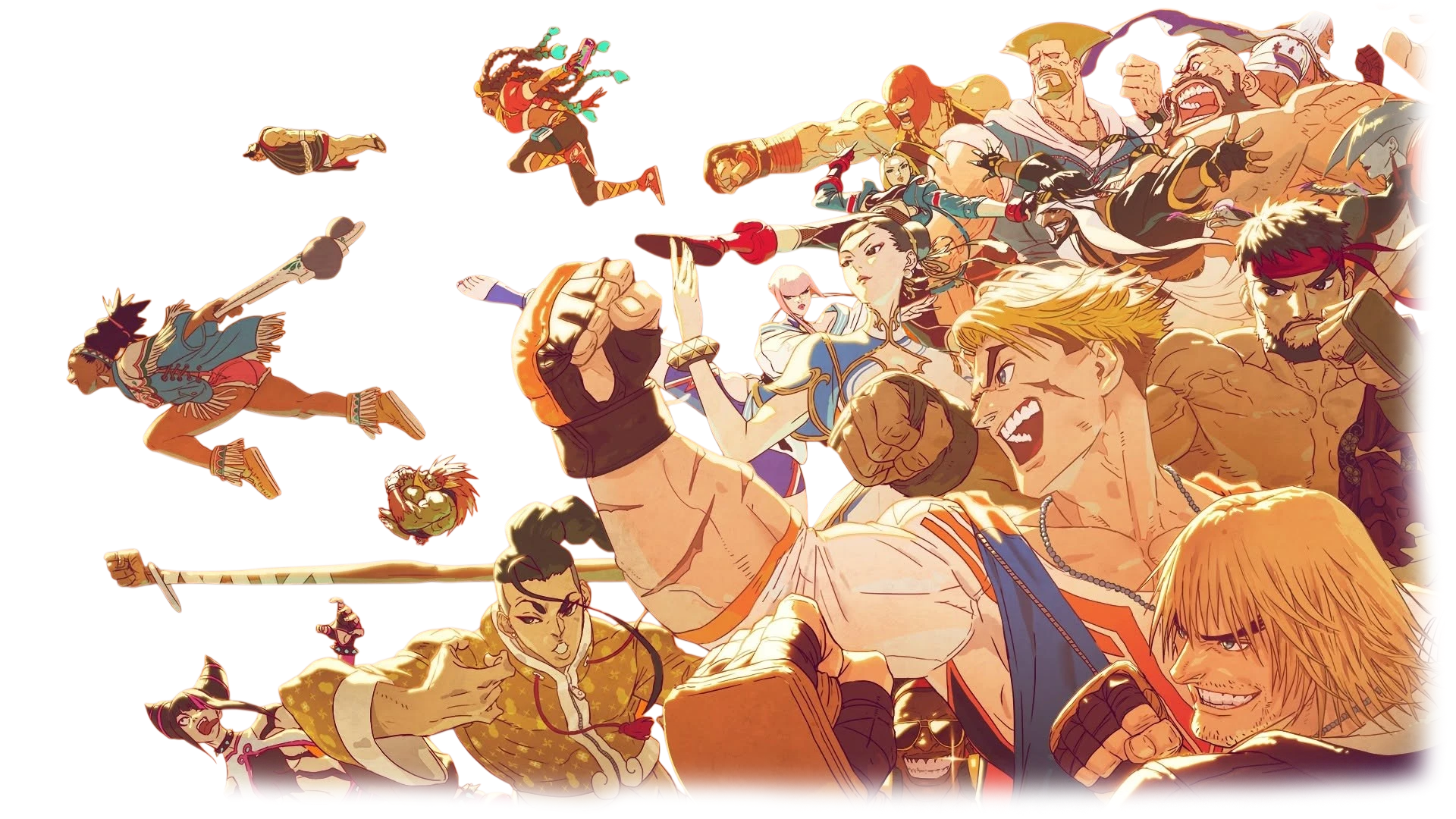
The first video game may not be the one we have the most fun with. One of my friends, who shared a similar journey, started out by playing a Barbie game on a PC because she liked the dresses and shoes. But she truly enjoyed gaming when she started playing games like Street Fighter and Tekken, which heavily influenced her personality.
With my friend, it shaped her from being just a girly girl to a tomboy who loved playing as Chun Li from Street Fighter. Not to mention, Street Fighter and Tekken were legendary games played by millions worldwide.
Many gamers share similar journeys as they grow, and in this article, we will go through certain games that were absolute game-changers. Games that shifted how we view gaming, turning it from a hobby into a lifestyle.

The Generational Shift
For each individual, there are games that have completely changed the way they game, but if you look at the overall impact, a few games stand out as absolute game-changers. As we look at some of the games that have had the most influence in the gaming world, we cannot start with any game other than Grand Theft Auto (GTA).
GTA empowered gamers like never before. It introduced an unprecedented concept of freedom for players to disregard missions, choose to be exploratory, or even cause absolute mayhem. What was also uncommon at the time was having the protagonist be a vengeful, cold-blooded villain who was motivated purely by power. Talk about controversy.
To be able to do whatever, drive cars, fly planes, ride bikes, carry weapons, break the law, and get chased by cops was just an unheard-of concept in gaming. With the open-world sandbox genre and the integration of “living cities” where mundane NPCs go about their daily lives, the game had a realistic and authentic feel to it.
The Red Pill
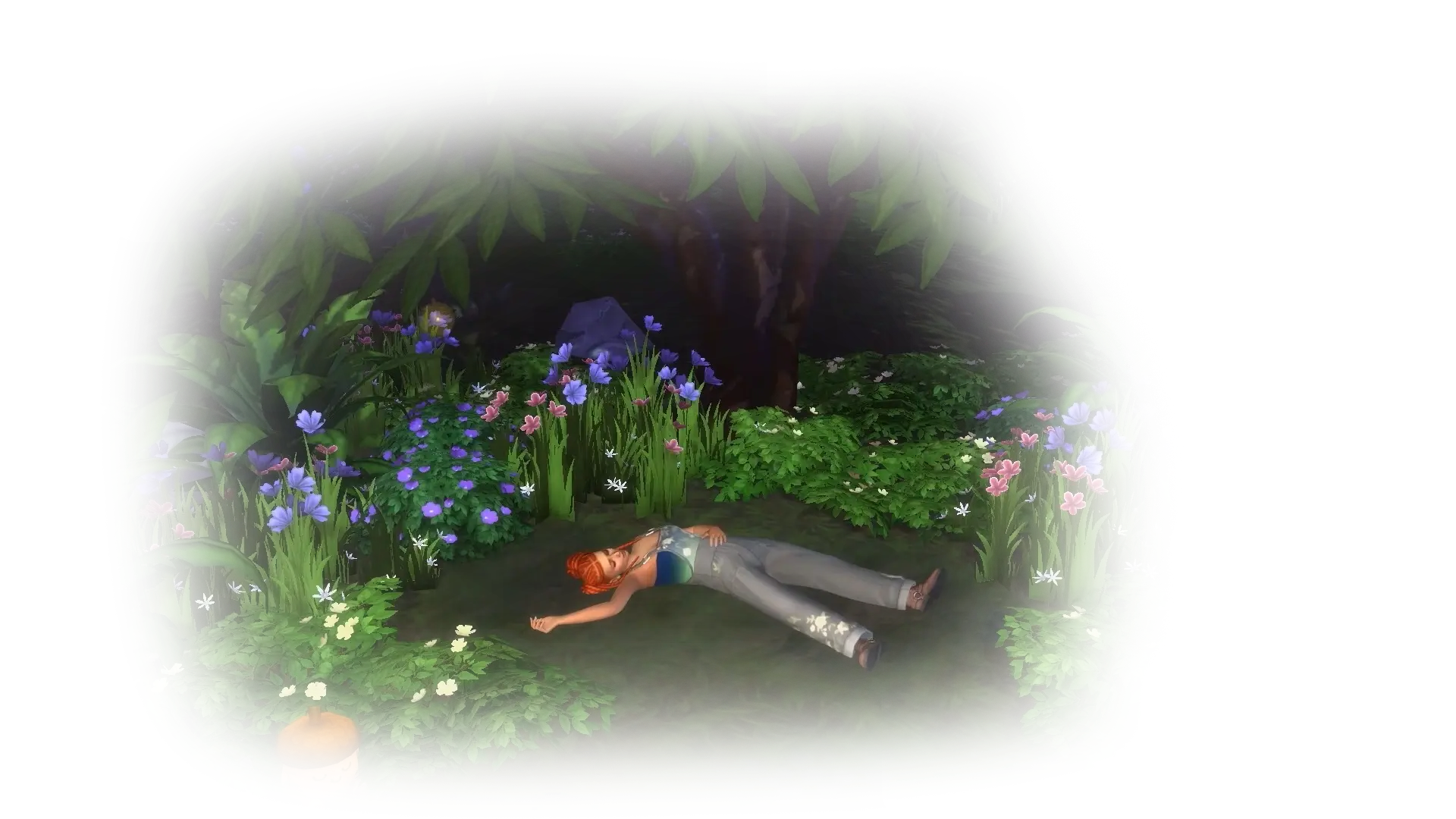
GTA was undeniably a huge hit, as its open-ended gameplay paved the way for simulator games like The Sims to become a mainstream phenomenon. The Sims successfully garnered popularity despite its lack of action, as it focused on players experiencing what day-to-day life would be like if they could control everything. You basically play “God” or the role of
the maniacal producer from The Truman Show.
The Matrix was released in 1999, and The Sims was released in 2000. This idea of simulation and of the conspiracy that everything is controlled by a few powerful people may not seem strange today, but back then, it was known as the most controversial of “conspiracies.” The Sims is the embodiment of this idea of simulation, leaving players to run things as they please, as it serves as a mirror of their personalities.
First-Person Shooter
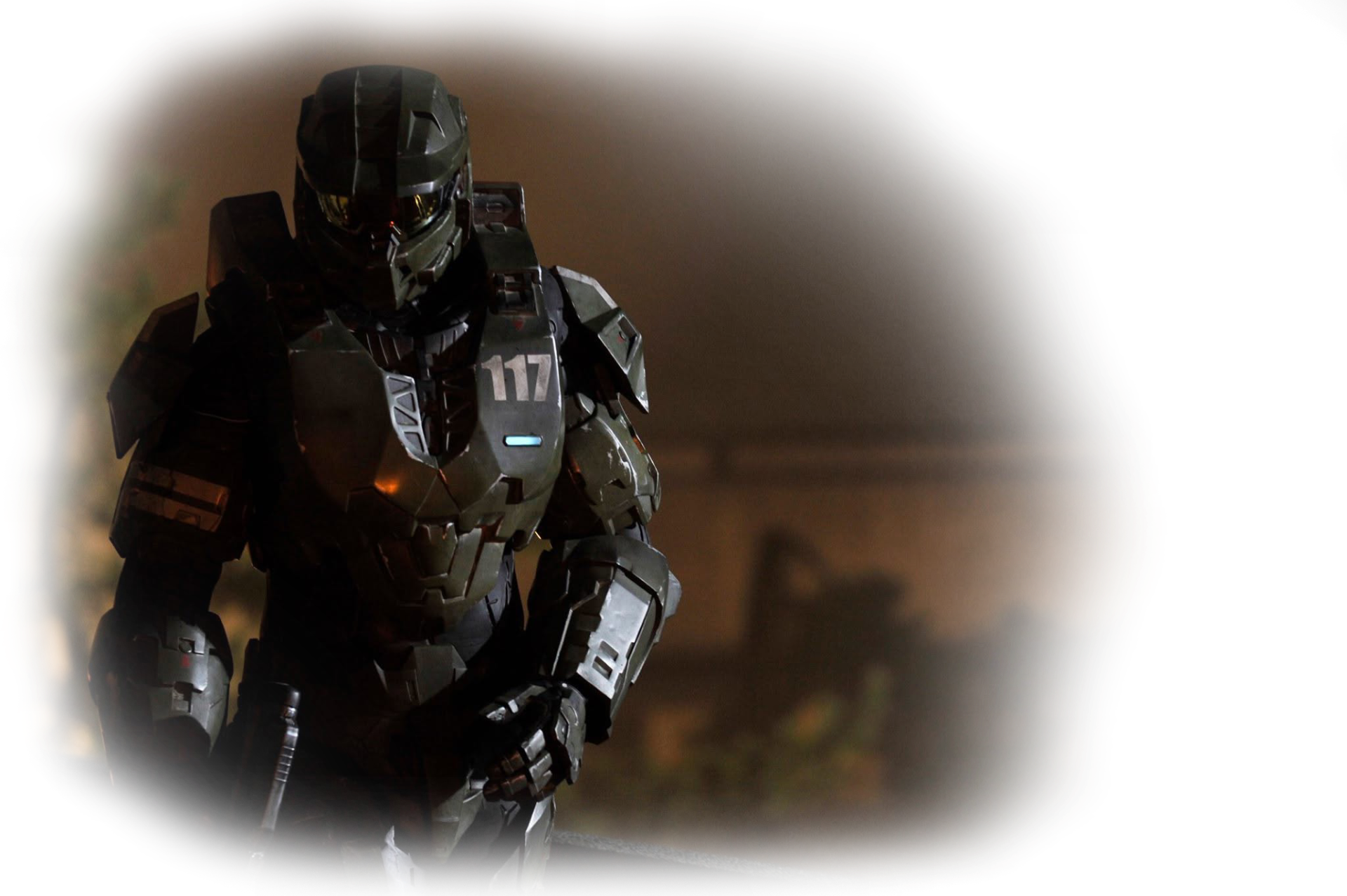
First-Person Shooter games were not that new in the early 2000’s, but with the releases of games like Counter-Strike and Halo, the FPS genre’s landscape for both Console and PC gamers completely evolved. Counter-Strike pioneered the foundations of competitive team-based gameplay.
It influenced gamers by testing their skills, such as recoil mastery and map control, which remain extremely pivotal in tactical shooters to this day.
Halo, on the other hand, was revolutionizing this genre on consoles, especially as a flagship launch for the original Xbox. It not only improved the dual-stick controller aiming with newer mechanics and enhanced shooting accuracy but also became the blueprint for every FPS console game that followed. Halo also popularized online matchmaking with voice chat, which changed the way gamers connected.
A Cultural Revolution
Minecraft did not have stunning graphics or an epic storyline; it featured an infinite sandbox, creating a limitless ecosystem that kept the game infinitely replayable. What seemed like a weakness in unappealing graphics became the main feature that broke the world record by selling over 350 million units.
Da Vinci once said, “Simplicity is the ultimate sophistication.”
Games used to have an objective and a competitiveness
that ended with an outcome of either losing or winning.
But there is one game that mainstreamed the idea of eliminating wins and losses in gaming and making it a platform to create, build, and explore. A game that was
not targeted at anyone, but made for everyone.
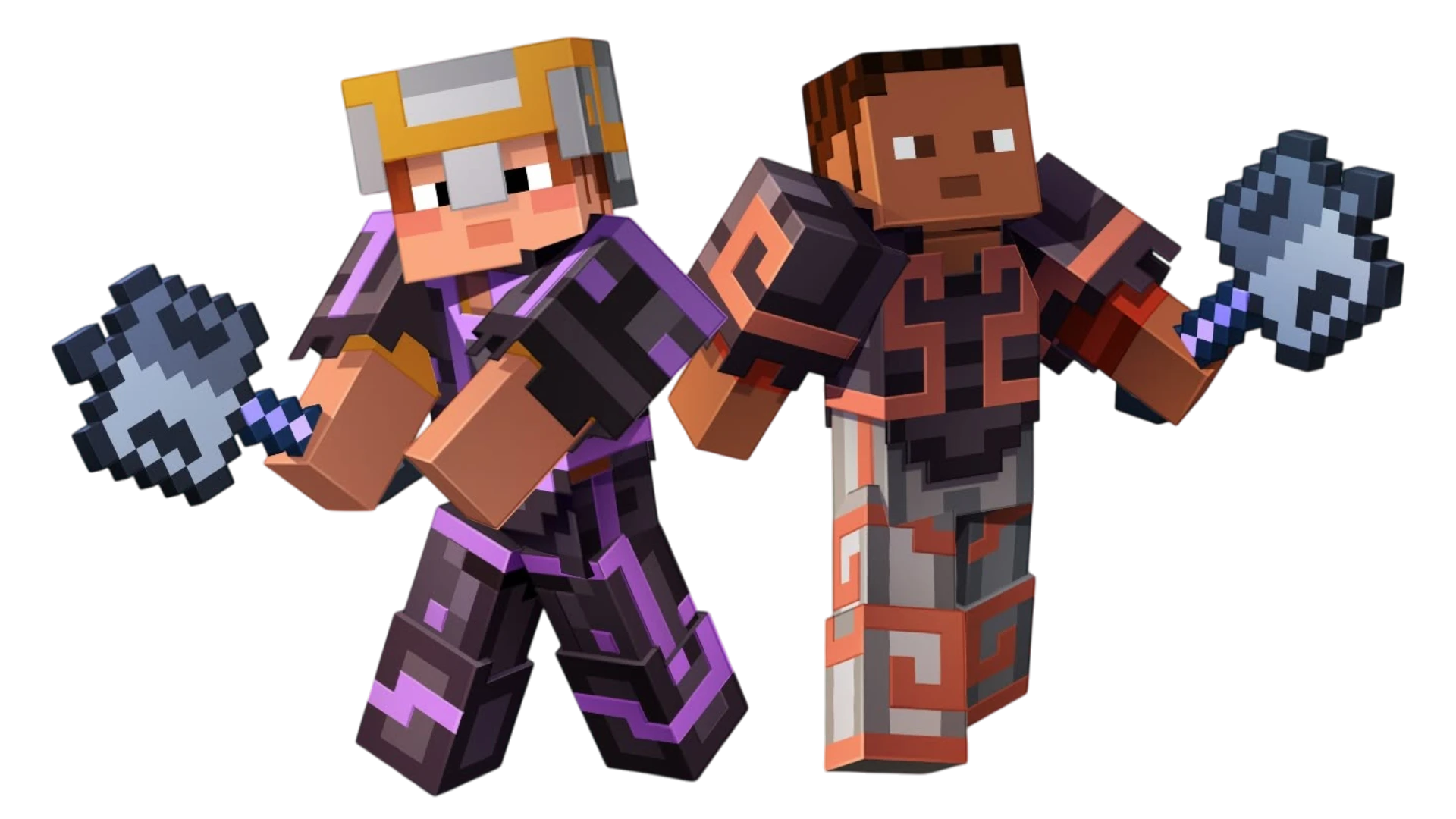

Minecraft was revolutionary because it gave each player
the opportunity to be fearlessly creative. It was available
on almost any device and was far more affordable than
any other game. Accessibility and affordability enabled players worldwide to come together on a platform that welcomed diversity and was designed for creativity.
The Birth of Social Gaming
If any Gen Alpha readers are reading this, this part is for you, as you guys will be the first generation to encounter video games as a social activity as common as playing outside on the streets. You probably grew up downloading Fortnite or PUBG on your parents’ old phones and delved into a whole world where you made friends you still have till today.
Although Fortnite & PUBG were not the first of their genre, they were the first to take gaming to a whole new level of social integration. It became the social platform not just
for gaming, but for live virtual concerts, movie screenings, and even worldwide cultural events. The popularity and influence of Fortnite & PUBG stretched across the globe,
as you would find players in the lush islands of Indonesia,
all the way to a remote coastal town in Norway.
The idea of the battle royale concept is dropping 100 players on an island, giving them one life, and letting chaos ensue. The system itself creates the narrative, and when the stakes are high and the elements are random, it makes for a great gaming experience. The fact that it is free and available on every platform possible made it a place where you could make friends and connections, hang out, and even be part
of something bigger, all under the umbrella of gaming.

A Change in Perspective
As we enter the era of Virtual-Reality Gaming, we enter a world where you game while your senses are completely immersed. It does not feel like you play the game on a screen anymore; it feels like you are inside the world of that game instead. But even the games on screen have incredibly stunning visuals with immersive worlds.
Video games today are made in Hollywood-style studios, with fancy mechanics and technology never seen before, combined with beautifully written storylines and realistic characters. An excellent example would be The Last of Us,
a game that set the benchmark for motion capture, facial animations, and voice acting. The game concluded with the protagonist facing a moral dilemma, lending a more serious and reflective tone to the narrative.

The Last of Us is a beautifully well-developed game that is the culmination of years of evolution in the gaming world. The narrative was so compelling that HBO decided to turn the game into a TV series. It became one of the most highly rated and loved shows on HBO’s platform. The Last of Us was the game that popularised the idea of a live-action video game adaptation and its possibility of success.
Not a hobby… A Lifestyle
As we move towards the future, with the rise of AI and VR technologies, our eyes, ears, and minds may experience gaming in far different ways. If we take the past fifty years
of gaming evolution into consideration, the future seems exciting but also scary as we stare into the abyss of AI.
Video games have become a way to create friendships across the globe and strengthen relationships at home. It Takes Two is a great example of a co-op game designed primarily for couples to enjoy and bond over. An engaging activity that can be even more romantic than watching Netflix.
The games discussed in this article are representations of what I believe to be game-changers. There may be some debate, but the main point is that they represent shifts in society and how video games have moved from being just
a pastime to a part of the social fabric.
“90% of what is considered ‘impossible’ is, in fact, possible. The other 10%
will become possible with the passage of time & technology.”
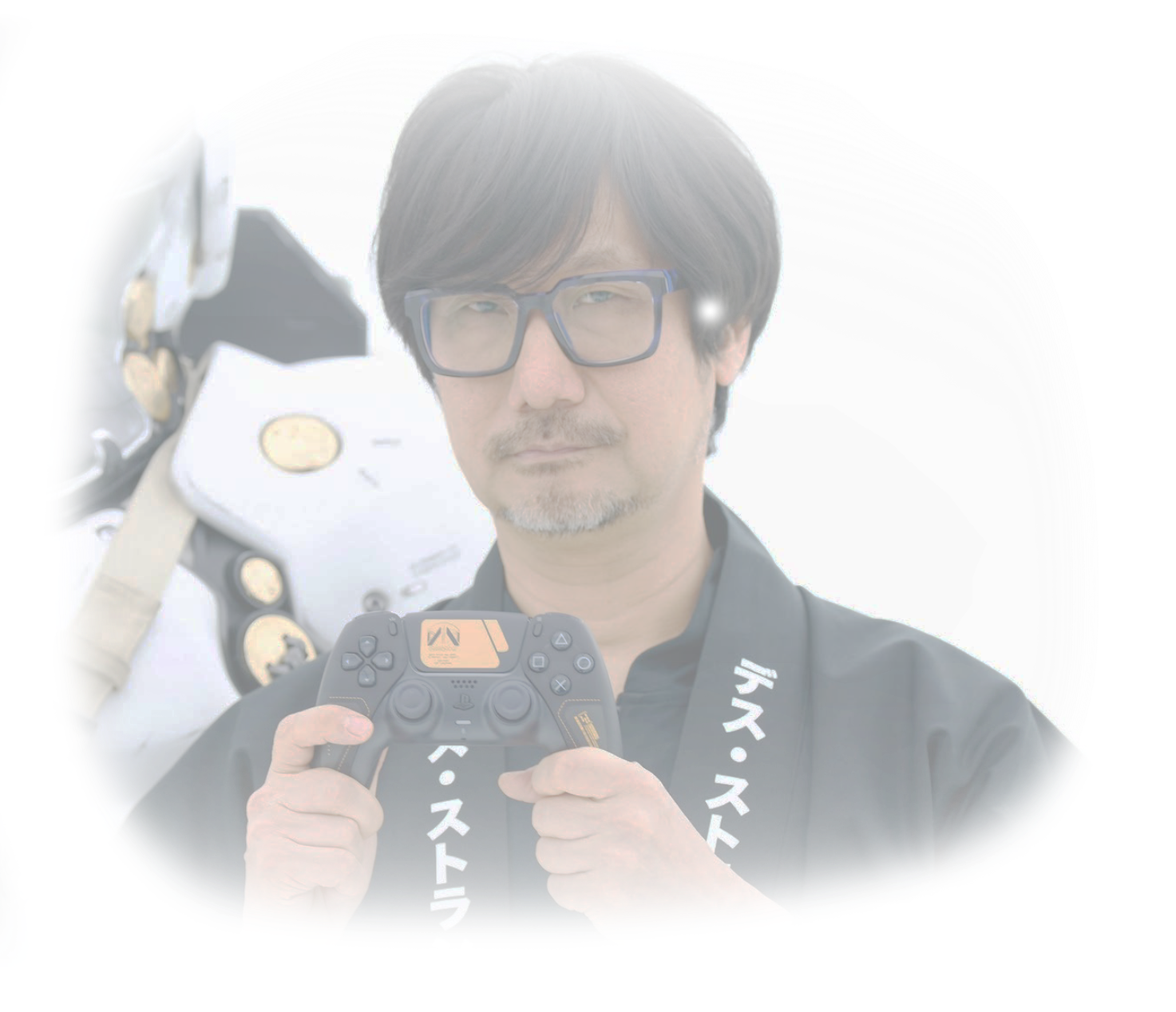
— Hideo Kojima, Legendary Game Director and Creator of Death Stranding & Metal Gear
Experience Death Stranding: Kojima’s most unique survival adventure!