CAN YOU DECIPHER THE LANGUAGE OF A GAMER?
If you were to drop a normal person into a modern COD lobby, they would give you a look of pure confusion and worry. Over time, gamers have evolved their own dialect that sounds part military, part nonsense. You would hear callouts like pushing, I am farming and this guy
is camping. Phrases that would lead you to think they are either a farmer or going through labour. Not to mention the type of things that would make an average outsider back away out of the room slowly. But if we were to put aside all the insults and foul langauge,
a deeper meaning to all that lingo starts to emerge, revealing a language built for efficiency and urgency. And here I am going to attempt to break down that language and reveal some of
the meanings behind it.
Date: 10/02/2026
Time to read: 15 mins
Writer: Tarik
Designer: AJ
The tactical side
There are many game genres out there, each of which possesses its own lingo. With different genres of games come different goals, and the point of gamer slang is to communicate these goals using as few words as possible to achieve that efficiency.
One genre that heavily embodies that is the tactical genre because of its intense moments and hectic nature that forces players to communicate effectively
and efficiently with no time to spare
for grammar.

In turn, a player who is oblivious to what these callouts mean may panic and get frustrated because of the people going off in their ears scolding them for not listening to said callouts. So what do these callouts even mean?
Camping with no marshmallow in sight
On the contrary, most of the language is understandable. It is mostly English after all. Where the lingo gets a bit confusing is when a single word is used to replace a whole sentence. A good example is the word “camping“. Unlike in real life,
where camping is an activity that you take your family on to appreciate nature.
In games, camping is the act of hiding in a corner like a little rat, hoping to catch people off guard. It is often an act that is attributed to the players who are not very good at the game, or in other words, noobs, but it is not always
the case. Camping can be used
in strategic ways.
For instance, you may be low on ammo and resources, and you can not afford to go all out guns blazing, so you try to use your enemy’s lack of patience to your advantage by holding your ground
and defending their attack.
As in most tactical and strategy games, defending an area where you can watch all the entrances is much easier than taking a fight in an open space where you could be vulnerable to a flank from behind, leaving yourself open.
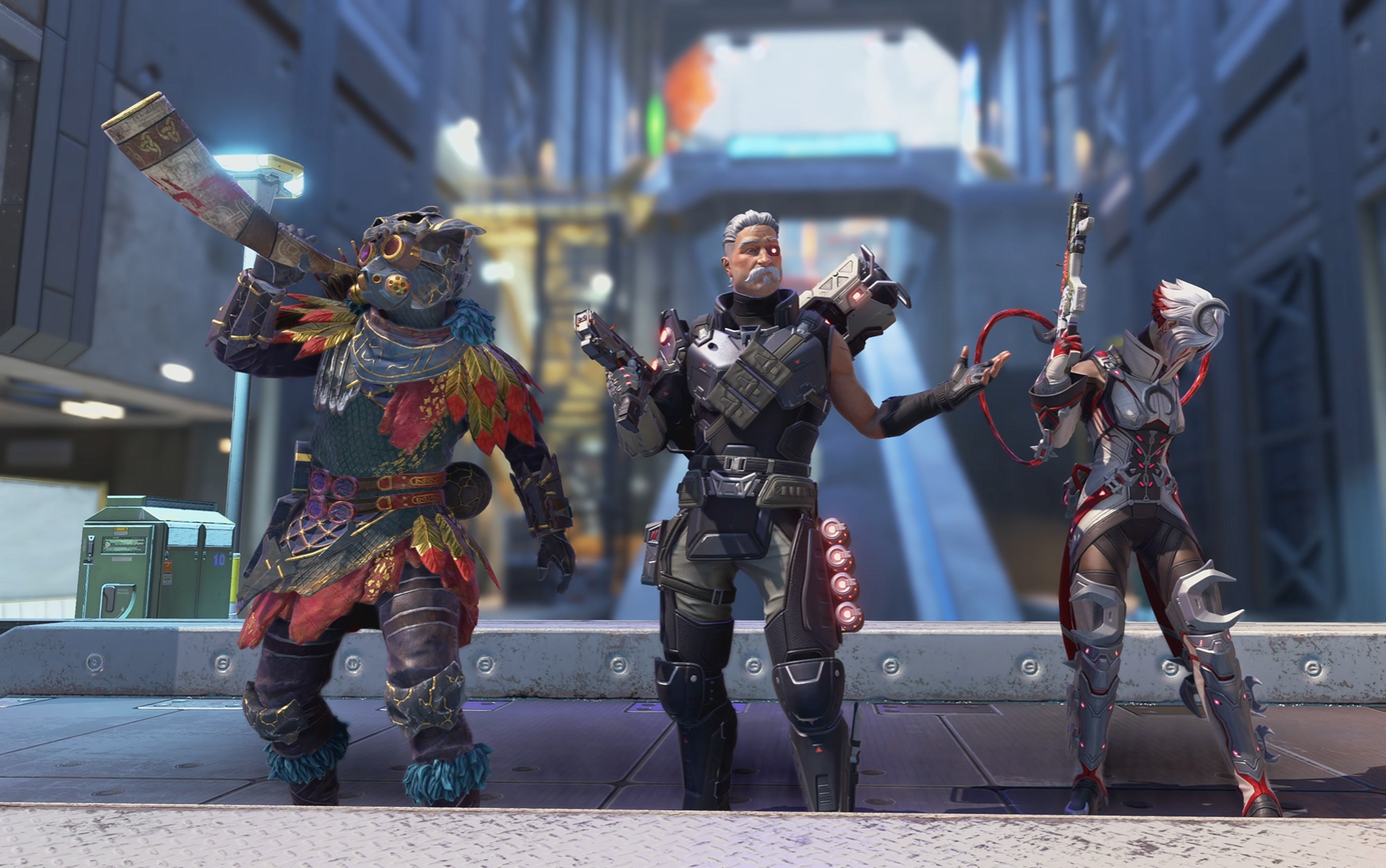
What's better than one party? 3 parties!
Speaking about flanks, they can happen in two ways: one way a flank could take place is if a team member of the enemy team distracts you, while his teammate comes from behind to kill you.
Another way a flank can happen is when your team is mid-battle fighting another team, then a third team comes out of nowhere and kills you both.
This particular arrangement of murder is called third-partying, and it is the most annoying thing that could happen in
a match, which also takes
skill to maneuver.
So my suggestion to you is, do not be
a hero. If you see a third team coming, run the other way, and don’t look back. It is not worth the trouble.
The toxic side
Some gamers tend to burst into a fit of rage when they are losing and often put the blame on their teammates. So to let off some steam, their only outlet is to get creative with their words to get
the message across without a ban.
That creativity has helped them come up with some of the most interesting terminologies that don’t necessarily make sense, but work.

Feeding the hungry
Now, when it comes to the phrases that are said when a player is filled with rage, more often than not, are usually just foul insults, but if we try to ignore the insults, other phrases tend to be used to try to describe someone’s awful performance.
To no one’s surprise, these terms mostly apply in games like League of Legends, a game that is riddled with angry people for reasons unknown, also called toxic players. Once you start performing horribly, they are the first to
let you know.
They will tell you to uninstall the game, accuse you of things like intentionally feeding the enemy team by giving them more levels and money because you are continuously dying to them. Or they just call you hardstuck,
meaning you can’t rank up because of how bad you are, all of which may not be untrue, but it is still
mean to point out.

Being too good
You might wonder to yourself, well then, if I’m good, I shouldn’t have to concern myself with toxic players, right? Well, nae. The thing is, people always find
a reason to hate. When a person is better than them, it is a bit hard for
them to accept.
To justify their weirdly deep insecurities, they will start to accuse you of hacking or being a smurf. A smurf is not the little blue creature you are thinking of in your mind. The act of Smurfing is when you play in a rank below yours in the hopes of dominating it.
For example, a diamond player is posing as a silver player by queuing in their lobbies. There is a 3-rank difference between these players. How on earth
is that a fair match?

And people still do it to lift morale from
a losing streak, at least I do. But that still does not make it ok. You end up actively ruining the game for others who are trying to climb the ranks and have fun. Nevertheless, it is funny if you are accused of smurfing when you are not.
And the weird side
Before we dive deeper into the lingo of
a gamer, it is worth noting that many terms that are often used in-game may sound downright questionable when thought of outside the gaming context, but are completely normal in-game behavior.
Put the tea in the bag
A not-so-PG-13 side of gamer slang has existed ever since gaming really took off in the early 2000s. Among these words, a phrase remained prevalent throughout all these years, gaining its notoriety from Halo: Combat Evolved. An FPS released back in 2001.
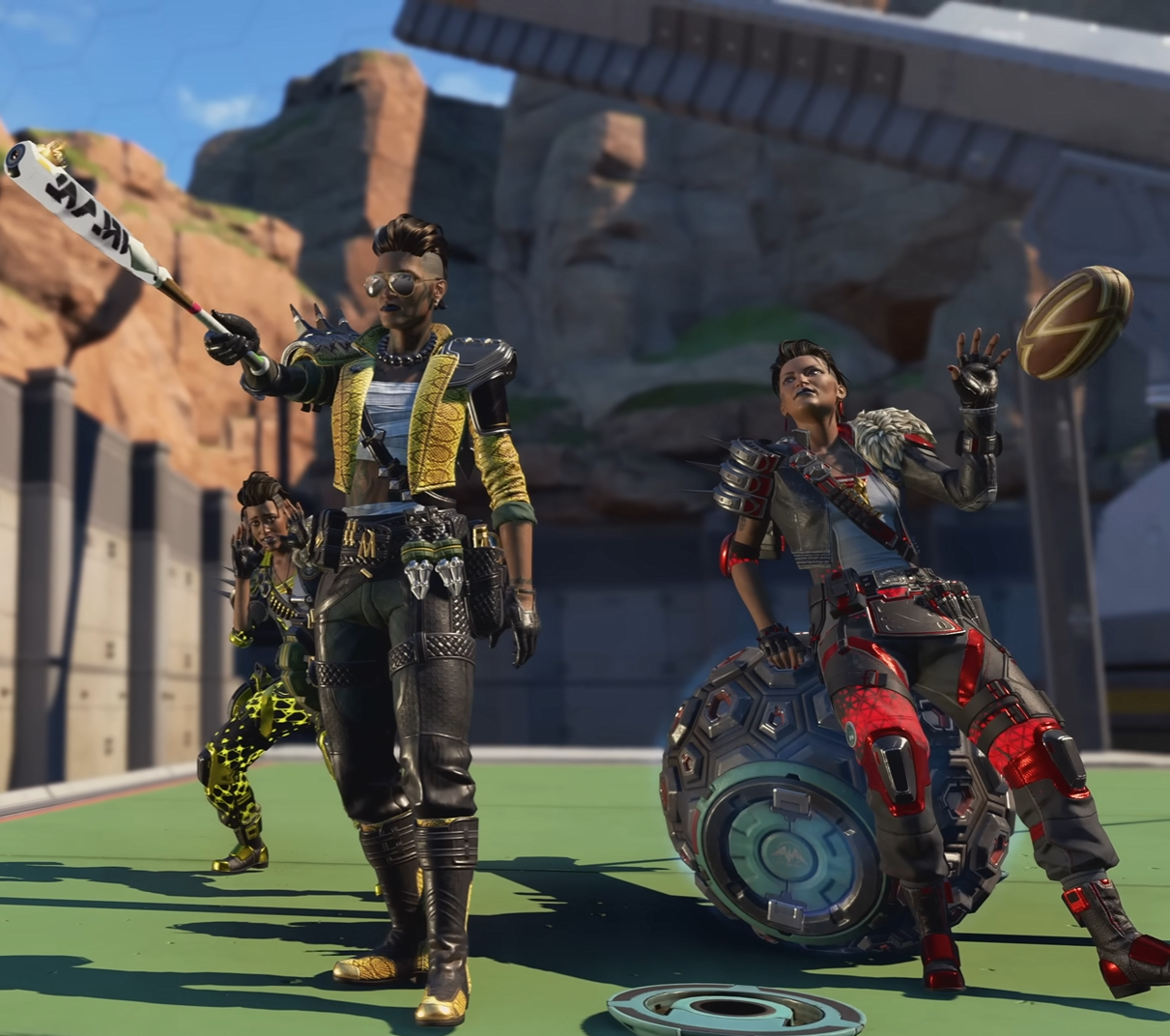
The phrase I am so ominously referring to is teabagging. And this is where it gets weird. In gaming, it is a taunt done by crouching up and down on a dead body, simulating the dipping of a teabag in the enemy’s mouth. But there are no teabags in an FPS game. 😉
It gets weirder
As you know by now, these words are not what they seem from a civil view. Words like sweaty, a word that couldn’t possibly have an alternative meaning, but somehow does. A sweat is someone who is playing the game with extreme intensity, treating a simple casual match as if it were a professional tournament that he must win.
Then you have terms that have nothing to do with what is actually happening, like cheese. Which apparently originated in StarCraft, from the Korean word that meant cheater, then was shortened to cheese somehow. Anyhow, it means to take advantage of a bug or a loophole
to win a battle.

Time to touch some grass
In the end, gaming slang is confusing, weird, but oddly creative, and that is exactly why it is fun. All these phrases grew organically from years of online banter and brainrot. While they may sound outlandish to normal humans,
they are part of what makes the gaming community feel unique. So next time you hear someone say the smurf cheesed the boss, I doubt you will do, but if you do enjoy it cause why not.