DO VIDEO GAMES ACTUALLY MAKE YOU SMARTER?
For years, video games have been accused of doing everything from rotting brains to draining attention spans. How would you feel if I told
you that that is not necessarily true?
As we speak, millions of players are sharpening skills they never knew
they had. Not through worksheets or lectures, but through the growling pain of trial and error, of whether it be from memorizing a boss’s every attack move,
or trying to tune a production system at 2 a.m., because somehow that seems reasonable. It is not about making you
a genius overnight, but it is about
the practical, subtle skills that you slowly develop naturally as you
focus on winning, surviving,
or building something cool.
Date: 19/01/2026
Time to read: 15 mins
Writer: Tarik
Designer: AJ
Thinking way faster without even trying
Most action games do not give you time to think. They drop you at the spawn point and expect you to somehow act. Whether it be an enemy materializing seemingly out of nowhere or an instant dodge that determines your victory or defeat.
These fast-paced action games quietly train the player to process information quickly and respond under pressure.
What first starts as sporadic button mashing slowly but surely turns into strategic timing and faster but calmer
decision-making when things start
to get sweaty.

Having the reaction time of a fly
Most action games do not bother to wait for you to think things through. They demand your instant response, usually in situations where you
are under a ton of pressure
and everything is on fire.
Games like Apex Legends and Call
of Duty truly embody that feeling, which trains players to react quickly
to sudden threats, tracking multiple moving targets, or making decisions
in a fraction of a second.
These are situations that we are all familiar with. You would be fighting
a squad, then you get third-partied
out of nowhere, forcing you to deploy all these skills to survive, and if you miss your timing, you get killed.
Over time, players get noticeably better at reacting because the game forces them to either get good or remain a bot.
Keeping calm in the eye of the storm
Reacting quickly does not really mean much if you panic. Many games train something equally important to speed. Keeping your composer in high-stress situations. You have games like Dark Souls and Valorant that train that very skill, teaching you that rushing almost
always leads to you making mistakes.
So players start to learn how to control impulses when threatened, how to read patterns instead of guessing what to do, and the most important skill of all, how to recover after failure.
Combining all these skills results in you having a cool head, which carries over more than people realize. Having a cool head in some situations is what stands between you and a big fat cheque.

Becoming strategic and more resourceful

Not all types of games encourage or reward speed. Some require patience and knowing when nothing is the best thing to do. Strategy and simulation games involve players controlling truly complex systems, where every choice a player makes can have dire consequences.
The player will have to learn to think ahead to survive and not get stuck in the present. Whether it be building
a mega factory or managing an army,
the player learns how to think outside the box and manage finite resources because the game demands it.
Resource planning like a leader
These types of games turn planning into second nature. You have games like Age of Empires and Civilization
that reward players who think ahead and heavily punish those who do not.
Thanks to that, players start to practice budgeting limited resources while also learning how to prioritize short-term and long-term gains. Spend all your gold too early?
Might as well just give up and forfeit. But wait, what these games teach you is that mistakes are not necessarily
the end. They help you to adapt when the fecal matter of the starting sheep hits the fan.
These lessons stick in your head not because someone explained them to you, but because you have exposed
the consequences of neglecting them.
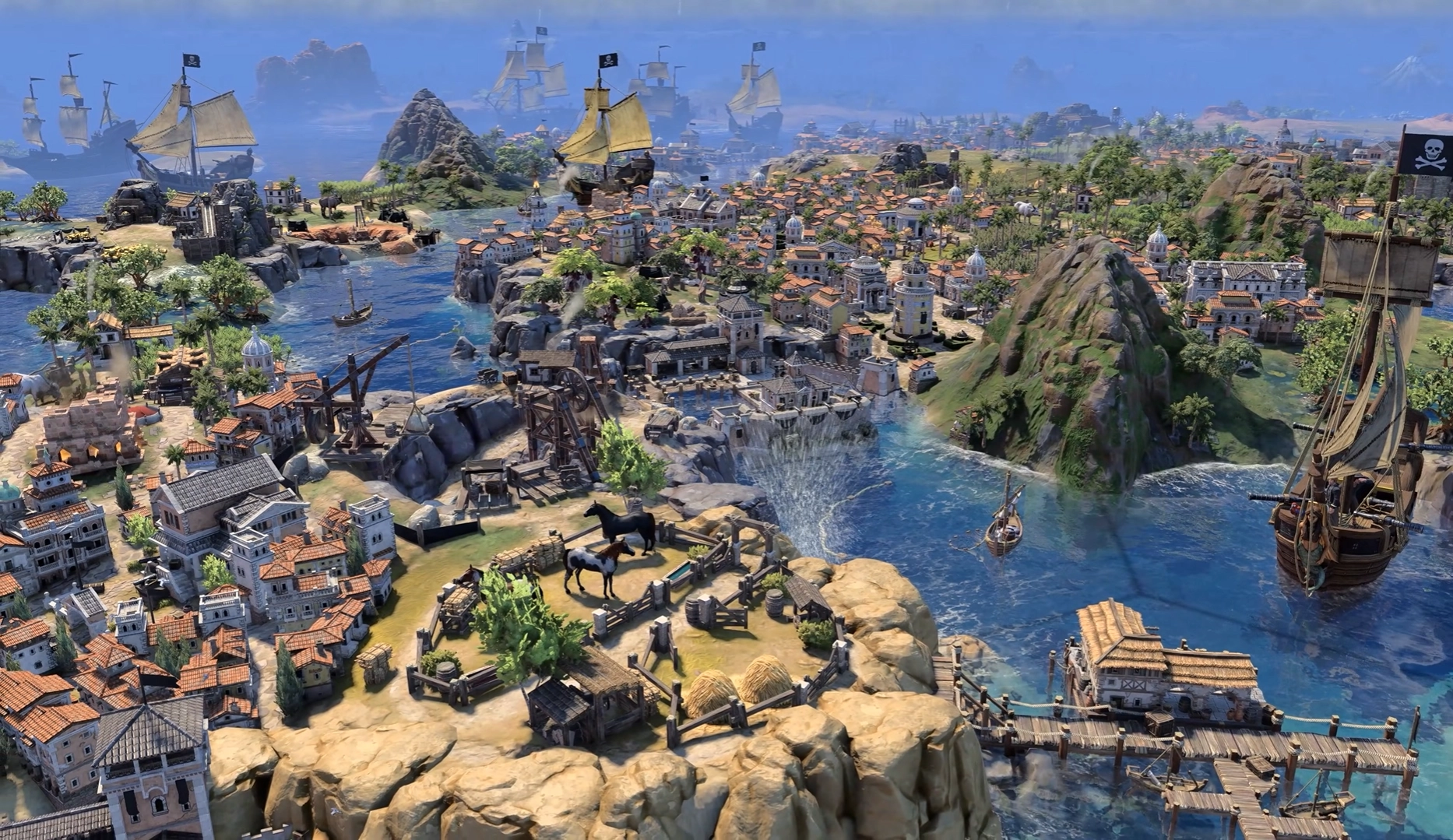
Now that’s a big picture
Unlike the usual action titles that mostly focus on moment-to-moment action, base-building games zoom out a bit. They teach players to take a couple
of steps back and look at
the bigger picture.
Games like Cities: Skylines or Total War expose the player to crucial factors that a normal person would not think about, like the optimal time to expand without risking stability, population needs,
and, of course, the economy.
These games capitalize on a domino effect progression where every choice you make will impact something else. These types of games allow the player to grasp complex systems with ease
because of their digestible progression, which translates really well to real-life planning and priority management.

Curiosity and creativity like you have never seen before
Then there come games that do not rush you at all. They allow you to take your time and think. They invite that itch for experimentation and let you
be curious, even if it means failure. Because games like these do not punish failure but reward it, as it is
the way forward. Experiences like these make the player enjoy the satisfaction of figuring things out. They make us feel smart and accomplished.

Pattern recognition at its finest
Puzzles and logic games existed way before video games even saw the light of day. And they have been the saving grace for games that illustrate an easy view of how games can make those who play them smarter. Yet the same can be said about their video game counterpart.
Many great games like Portal one & two
and The Witness are good examples of puzzle video games that truly exercise the brain. They squeeze the brain to help you understand patterns, logical
sequences, and problem-solving.
Every stage has a uniquely different layout, allowing players to come up with interesting and creative ways
to solve them.
Manifesting creativity through action, not instruction
Last but certainly not least is creativity. Every game we have mentioned so far uses a hint of creativity in one way or another. But some games are solely built to explore that cognition.
These games have a special place
in the hearts of every gamer as
they genuinely give you
the freedom to create.
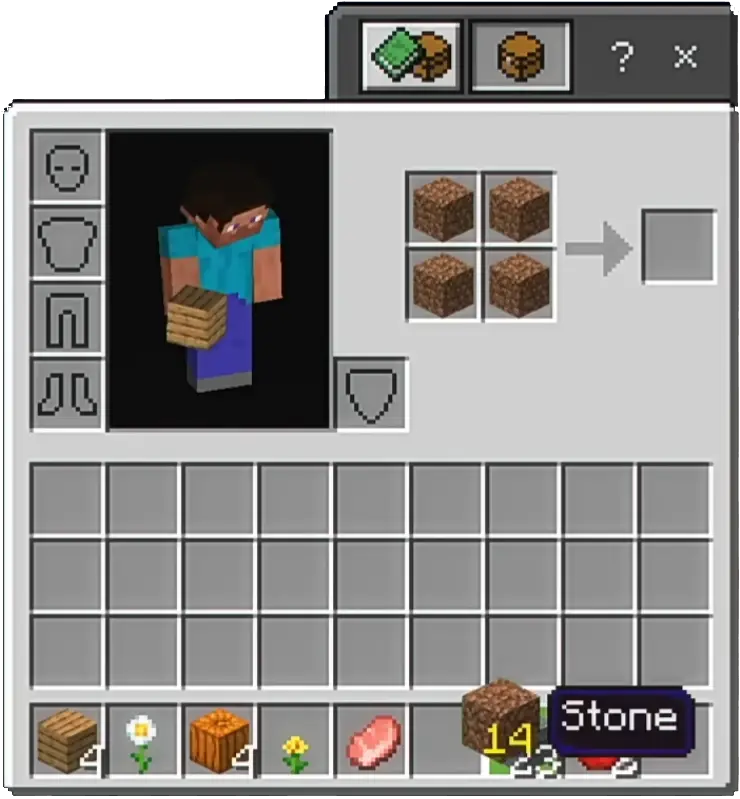
Games like Minecraft and Terraria for example, are sandbox titles that allow your brain to be free. You can create anything your mind can muster,
and nothing can stop you.
There is no single correct way to do anything. The game does not judge you. It just bends to your actions.
Soo.. does it make you smarter?

If you want the short answer, then yes, but quietly. Video Games are not a very conventional method for teaching life skills. But they do put us in situations where learning is the only way forward.
Whether it be skills like faster reaction time, better planning, or even creativity, they let us develop skills more naturally because we, as humans, really want to succeed. And that is what makes it so effective because you are not being trained. You are being engaged.
So yeah, keep playing, and do not let anyone guilt-trip you about playing. Just be mindful because everything can be harmful without moderation.