are indie games better than aaa games?
The indie genre is alive in every notable media outlet, from music to film, but most importantly of all, video games. Indie games usually start as scrappy experiments made by a handful or even a single developer, usually working in a cramped room or out of their house’s garage,
running on questionable sleep schedules and pure determination. But that does not stop them from producing pure and utter perfection. For years, Indie games were put aside and seen as cute side projects compared to the prestigious triple-A blockbusters and their unfathomable budgets.
Over the years, indie games have continuously prioritized innovation, while AAA games focused solely on profits. Here is the evolution of
the indie genre and how it has been leading
the market since its inception.
Writer: Tarik
Designer: Yato
Date: 02/02/2026
Time to read: 10 mins
The humble beginnings
Back in the day, indie games were kind of a raw spectacle, representing human creativity in ways that were indescribable. They were often rough
but full of heart. Back then, the term indie did not even exist. Games that were made by individuals or tiny teams were just called hobbies. Some even say amateur games.
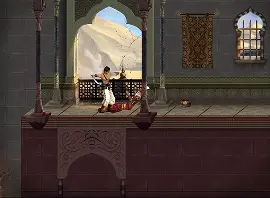
But in reality, they were more than just hobby games. They were the pillar propping up the industry ever since its inception, from the days of Spacewar! Then came games like Prince of Persia, which was created independently by Jordan Mechner.
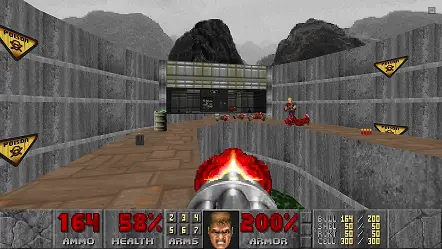
And not to forget Doom, a game that was so well optimized it can run on a pregnancy tester. But how do these games compare
to the renowned AAA titles?
How it all started
Before games could be bought on markets like Steam, you would acquire them as shareware or freeware. The process back then was a bit curious. Games like Doom, for example,
would be shared with you via a friend through
a floppy disk or an email, but only for a few levels. Giving you the chance to try the game before you buy it. And if you did like the game,
you would need to locate a file named ORDER.FRM, which was an order form that would let you pay the devs directly in exchange for the full game. Which you would then receive in the mail.
The AAA Equivalent
Unlike indie games, AAA titles had a far more straightforward methods of reaching players. Backed by hefty budgets, major studios promoted their games through big events, newspapers,
and even television commercials,
ensuring that almost everyone was aware of their releases. But marketing alone was not enough. Accessibility was just as important. That’s why
physical game stores were widely available in cities, stocking rows of packaged game CDs so
players could easily walk in, buy a copy,
and start playing with minimal effort.
The turning point
As technology became more open and marketplaces like Steam expanded, indie games began to become more ambitious, more polished, and way more visible than in the past.
Meanwhile, some AAA games stagnated creatively, sticking to the same old formula that worked before, scared of innovation. That is when
the playing field got leveled.
Indie developers started to have a voice in
an industry run by giants. Players started to realize that the best games were not coming
from these big studios at all.
Game development made simple
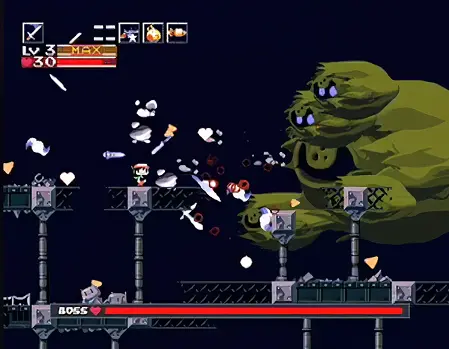
To fuel these ambitions, major game engines like Unity and Unreal made quality game development accessible to everyone. This meant that indie games were no longer just low-budget projects.
Now, not only can they be creative innovations, but they can also look beautiful, run smoothly, and rival AAA quality even more,
threatening the industry.

An even playing field
With the rise of Steam and other markets like Xbox Live Arcade, indie developers suddenly
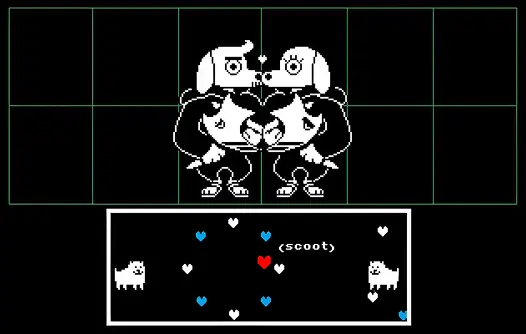
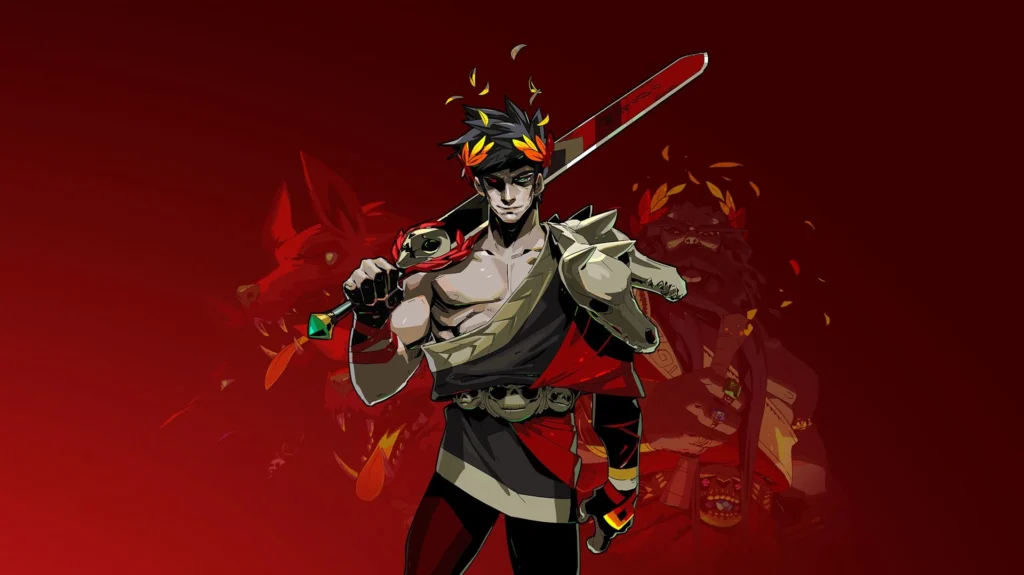
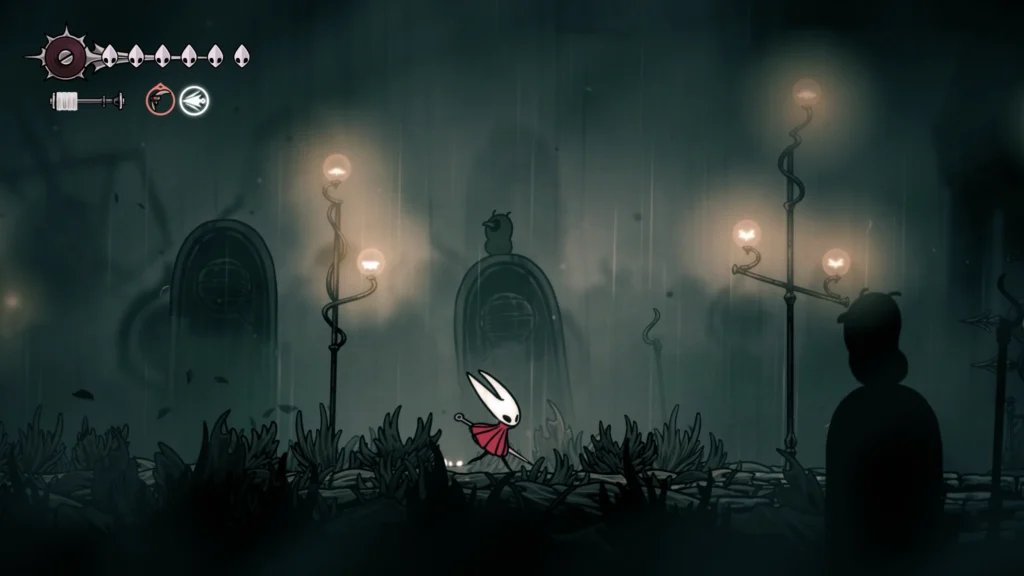
had access to the same audience as AAA studios. Games like Undertale, Spelunky, and Super Meat Boy proved that indie titles could be just as successful as triple-A titles, if not more.
Selling out millions of copies, winning awards,
and dominating conversation around the industry. Because of these success stories, more and more devs started to take the plunge, reminding us of the golden age of the 2000s when Flash games were on top.
Why indie games now feel better than many AAA titles
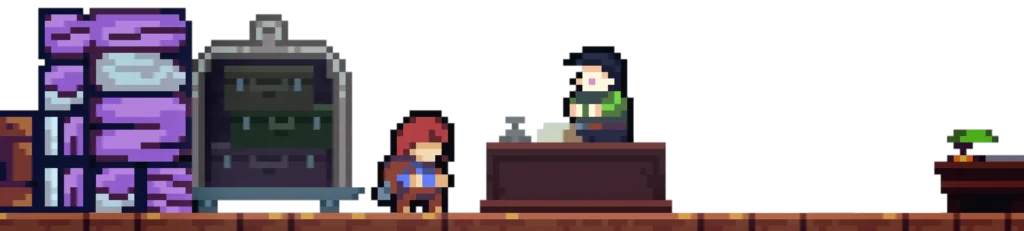
By the time the era of gaming entered the 2010s, the balance shifted. For years, triple-A studios had always been held and seen as the standard for gaming. However, as these big games grew larger, they also became more wary and focused on profit, inserting microtransactions in every nook and cranny of every game they publish. Rereleasing the same game with a different name,
a thing the FIFA franchise does. Meanwhile, indie developers were moving in the opposite direction. Free to take risks and experiment, building experiences that resonated emotionally with players. What first started as side hobbies and passion projects turned into games that not only competed with AAA titles but, in many cases surpassed them in every way imaginable.

First indie to win Game Of The Year
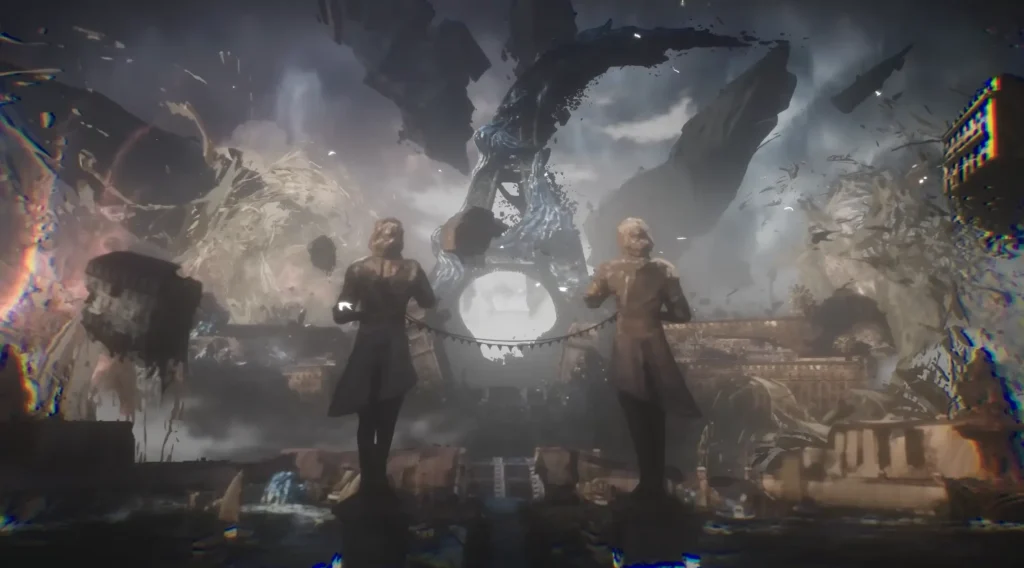
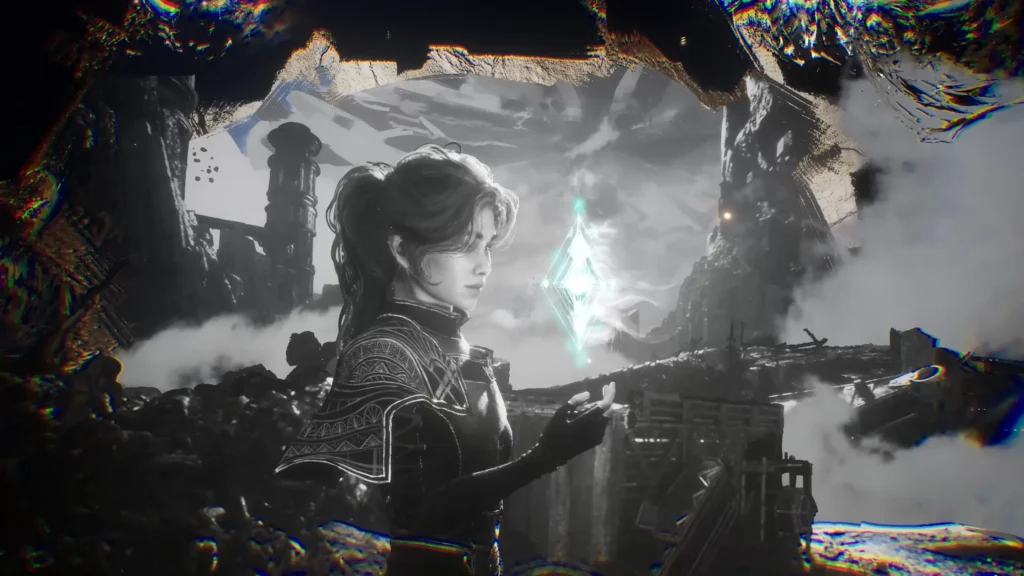
The moment Expedition 33 won game of the year in 2025, it marked a defining shift in the industry. Because for decades, every game that had won that title was a large-scale AAA-production.
So when an indie game won that title,
it signaled something bigger than just a single victory. It completely overhauled the industry standard. Expedition 33 did not win because it had the best graphics or the highest budget.
It won because of its originality and impact.
The new Norm
After indie developers proved what they are to
the public by winning GOT, expectations began to change. Players stopped accepting the slop that AAA studios have been putting out, and now are demanding meaningful storytelling,
more polished gameplay, and most importantly of all, innovation. The same qualities indie
developers have been upholding for many years.
But at the same time, indie games were no longer viewed as small games. The players now expect small studios to hold that standard that they have created.
Today, the line between indie and AAA is no longer about budgets, but philosophy.

An indie journey
This journey was more than just a success story. It was a visit back to what games were and what made them great. It showed that greatness was not hidden behind piles of cash, but was present in the visions of the creators. What was first
a small experimental project created by strong and passionate developers turned into a movement big enough to rival AAA blockbusters.
BUt that doesn't mean All
Triple-A games Are bad!
check our latest AAA game review by clicking below