EVOLUTION OF RPGS FROM DICE ROLLS
TO DIGITAL SOULS
The art of role-playing has shaped the identity of gaming since its inception four decades ago. From record-breaking global franchises to niche tabletop groups, the reach of the genre now extends to an unfathomable extent.
Writer: Tarik
Designer: Iv
Today, everything from tactical dungeon crawlers to massive online worlds falls under the RPG label. But the path to get here has not been easy, marked by key shifts that have changed how players
explore worlds, build characters, and tell stories. This article will be an adventure through the timeline of evolution of RPGs dominating the industry today.
Date: 22/12/2025
Time to read: 10 mins
What sparked the genre?
Long before the video game version of RPGs was ever brought to life, the main concepts of the genre used to be created at dinner tables and hobby shops.
Tabletop systems have driven everything from character growth to branching choices
and party-based problem-solving.

Shaping early designs of the genre
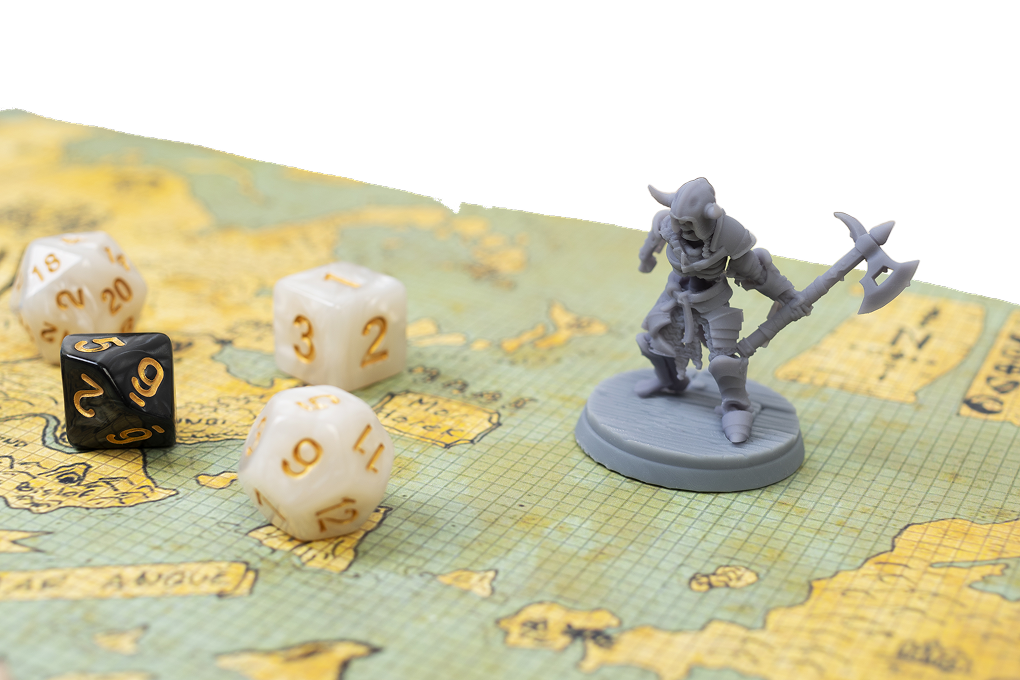
Modern RPG mechanics stem from the most famous tabletop RPG, Dungeons & Dragons, which has shaped the genre we know
and love today.
DnD introduced character classes, skill checks, attributes, and progression with experience. But what made it so successful is its
idea of personalization.
A player’s decision can alter the direction of the whole game. There are no fixed endings. This is what developers tried
to imitate when they attempted to
“Every new beginning comes
from some other beginning’s end.”
– Lucius Annaeus Seneca
translate that open-ended style of playing into the early stages of computer RPGs. The systems were simplified, but the core idea was the same.
Players were expected to create their own character, take on a role, and write their own adventure inside a fabricated world.

Bringing dungeon crawlers into the digital world
have stuck through the evolution chain, like grid-based movement and turn-based battles. This first cycle of RPGs proved that complex adventure systems can be hosted by computers,
which later on laid the foundation for
the next major shift in the industry.

In the late 1970s, computers were limited. However, developers still pushed them to create adaptations of our favorite tabletop campaigns, transforming them into
the digital world of computer games.
Games like Akalabeth were among the 1st iterations of the genre, which focused on dungeon exploration and cleaver combat. Even though they had simple wireframe visuals, they introduced mechanics that


The golden age of computer RPGs
As time went on, technology improved, and developers started experimenting.
It began with deeper and bigger stories and worlds, to more dynamic systems.
This sparked the first major step
forward in computer RPG history.
Giving the player a choice
Storytelling was the driving trend of that era. You have games which capitalized
on providing the players with challenges disguised as moral dilemmas,
like in Ultima IV.
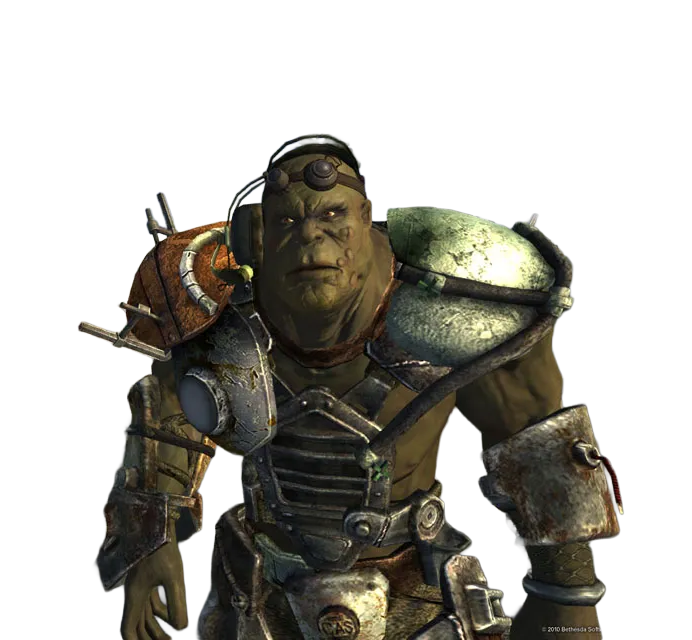
Meanwhile, other games like the Fallout series took advantage of the open maps and difficult ethical decisions the players make to give them real control over
the narrative. Because of these RPGs,
it was proven that role-playing games
can go beyond numbers.
Truly setting the standard for RPGs we play today, while also making them some of the most memorable experiences that players look back on.
They can take the player on heartfelt emotional journeys and communicate with players, making storytelling one
of the core pillars of the genre.
How did Japanese developers shape the identity of RPGs
At the time, Western studies were mainly focusing on and improving the perception of personalization, but Japanese devs went a different direction.
Final Fantasy and Dragon Quest explored the idea of cinematic storytelling brought
by scripted emotional arcs emphasizing character bonds and dramatic moments.
Both approaches evolved alongside each other. Western RPGs revolved around systems that responded to the player’s choices. Japanese RPGs perfected fixed plots that delivered memorable journeys.
Both types had a role to play in propelling the genre forward and increasing its appeal across the world.

Moving to the next dimension
When the industry shifted to 3D graphics,
it fundamentally changed how RPGs felt
and played. Game worlds went from flat
grids to expansive environments that you
can get lost exploring.
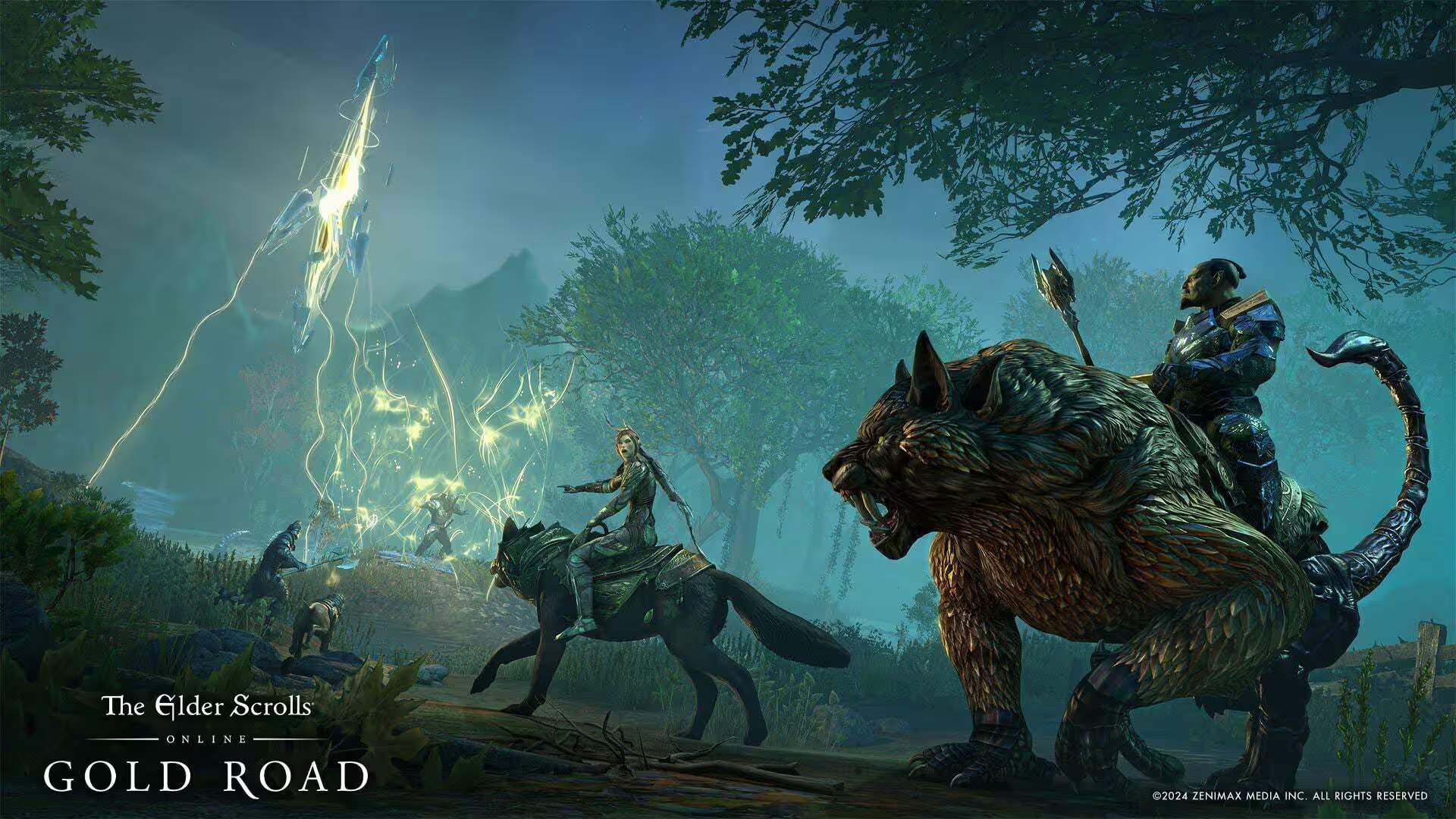
Games like Elder Scrolls introduced these vast spaces of exploration that rewarded curiosity and freedom, making it the standard for modern open-world RPG design.
All the while, developers started blending in classic RPG elements with real-time combat, which later on produced games like Diablo
and Dark Souls. This proved that fast-paced action games that were driven by skill could coexist with the atmospheric storytelling
that RPGs are known for.
To online worlds and shared adventures
Most of the RPGs listed so far have been solo experiences, but after internet connectivity was established, the genre went back to its original mission.
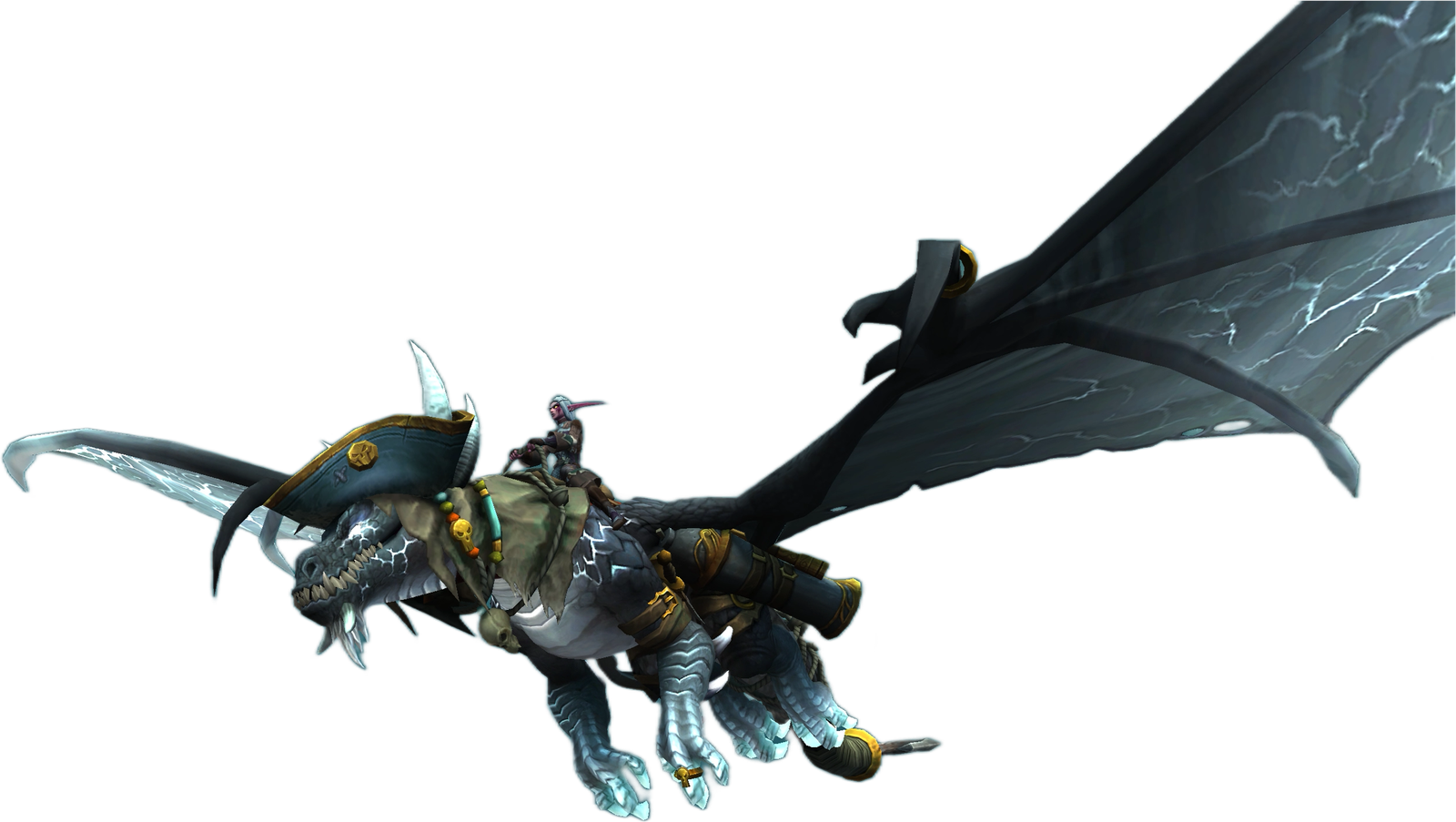
A mission that was to bring people together. Turning computer RPGs from being solitary struggles into social trials. Creating a new subgenre of MMORPGs from games like EverQuest, RuneScape, and especially
World of Warcraft.
These later introduced mechanics
like guilds, raids, and player-driven economics, shifting how players
viewed progression and identity.
Then came the hybrid era
The RPGs we know today draw from every era that came before them, a combination of open world exploration, real-time combat, and storytelling. Games like The Witcher 3, Starfield, and Cyberpunk 2077 are great
examples of how the genre has evolved while still maintaining its core elements of RPG. Then you have the new hybrid subgenres that are continuously expanding.
From Tactical RPGs to roguelike RPGs,
all evolving without losing their identity, and that’s what makes this genre so special, as it stands the test of time.

Snap back to reality
Role-playing games have come a long way from the late-night sessions on the dinner table with pencil-drawn character sheets
and dice with too many sides.
The genre continues to grow and evolve, surviving multiple technological eras,
making it the most diverse and influential genre in gaming history.
No matter how much the genre evolves,
the future of RPGs looks just as exciting
as their past. So leave reality for a moment
and enjoy making your delusions come
to life.