GAME REVIEWS:CAN YOU TRUSTAN ONLINE OPINION?
What could make a game review stand out? Is it the high score given to an AAA game that people were so desperately waiting for years?
Is it an exaggerated review that may go against the hype and give a low score?
Or is it a legitimate and honest review
that has not received much attention
because it did not bring online drama?
The answer may be quite subjective, especially nowadays, when an internet perspective opens debate quite easily.
Expressing an opinion online became
a common habit, particularly when it
comes to the entertainment industry.
If we look at gaming, the passion for
certain franchises can sometimes be very explosive and hard to control. Join us in understanding a little more about game reviews and their purpose
How they, for good or bad, may trigger or influence individuals, and at the same time generate a little bit of chaos among video gamers.
Writer: Bambie
Designer: Myra
Date: 16/12/2025
Time to read: 15 mins
Leveling up the hype of a new game!
When a new video game gets announced, especially a triple-A title, the hype spikes. We are firsthand witnesses to marketing campaigns behind that release,
Gamers all over are a big part of the buzz.
Almost immediately after, we start seeing some gaming “specialists” talk about it.
People begin to predict specific content, express desired features, and even leak some mechanics and plots way before the game has an official release date.


There are multiple sources where we can get information, some more trustworthy than others, and we are free to choose whichever we feel fits our needs.
Of course, reputation is quite a big factor in choosing a source. Once the game is out, the same specialists who covered
the hype bring the awaited game review
These can be either independent reviews or come under a well-known media outlet.
Decoding game reviews: Why do they matter?

To give it some context, game reviews are evaluations or critiques of specific video games. These can be written or recorded in the form of video or audio, usually by players, journalists, or critics.
They cover various aspects of the game, including graphics, sound design, story, gameplay, development of characters, the message or essence, performance, and overall worthiness.
We see them in different kinds of media, mostly on review websites and video or streaming platforms. The scoring system
can be from numeric scales, letter grades, or even descriptive labels. The main goal of reviews is to give people an overview
of the game. In many cases, this will play a deciding role in whether to buy it or not.
A 10/10 may not be as perfect as you think!

A lot of media that focuses on reviewing games tend to put scores. This is mainly because the community is asking for it.
The average gamer would probably go
to check out a review and skip straight
to the final assessment.
These reviewers are then sort of forced
to use scores, and honestly, it will bring them more traffic as more people will
visit them only for that specific reason. Sometimes, you will find a game with
an impeccable rating, which is usually
the highest a reviewer can give based on their own media’s preferred rating system. Yeah, I know, it sounds sketchy.
This could be 10/10, A+, or sentences with words like “perfect,” “essential,” or “highly recommended.”
These scores may persuade players to buy those games, and as mentioned earlier, some gamers focus mainly on
final scores without reading the whole review. Why? Because a 10/10 must be
la crème de la crème, right?
Reviewing the core of a masterpiece

Ideally, video game reviewers should play the games for a considerable amount of hours before putting out their take.
Sometimes, they finish the entire game’s main campaign in order to outline either
a positive or negative opinion. This is due to the expectation that a review should
be authentic and unbiased.
Reviews should offer players a quite clear perspective of the gameplay and most of their main mechanics.
The fact that a review shows the highest score doesn’t mean the game is perfect. Could it perhaps be some masterpiece? Maybe, from the reviewer’s point of view,
but remember, even in a game scored
perfectly, there are a few flaws mentioned, feedback for improvements, and overall aspects that were not always enjoyed.
The hidden curve behind game scores
Another misconception people may have, besides assuming the highest means or equals perfection, is thinking that half of the maximum score means average.
When it comes to video game reviews,
a five out of ten could sometimes even
be considered mediocre.



The reason for it is that we get thousands of games every year, but only the ones that make a big noise will get reviewed.
The majority of gamers are only playing triple-A games, so they find themselves with a bunch of eights, nines, and tens.
Those games often have remarkably high quality. But what about the rest of them? They simply do not get reviewed.
Most audiences might not bother reading reviews of them, and so they usually fly under the less hardcore gamer radar.
When we encounter a seven, the game is usually pretty good. A five would seem bad already, and below five?
Well, those games may be categorized
as broken or simply unplayable.
The middle ground between balance and choice

Keeping yourself unbiased is an awkward and complicated topic.
A media outlet’s main job is to distribute information, and this should be without persuading the reader in any way about what is right or wrong.

The same should apply to game reviews. Reputable outlets usually have greater credibility, and this is because they have earned that reputation. But this by no means implies they offer the absolute
truth, or that you should follow what they say and blindly acquire those games.
Can it influence the decision you make? Maybe. Will it increase sales of the game? Most likely yes.
However, they are not the main dominant factor in their revenue. Genre, platform, pre-existing audience, and marketing will play a more important role.
The double-edged sword of reputation benefits


As mentioned earlier, reputable outlets have more traffic as they have already made a name in the industry.
Sometimes, this reputation brings some benefits. For example, they will get early access to content that they can review
or comment on as long as they do not disclose crucial information.
However, specifics of the game may get leaked. For many users, this can totally ruin the surprise factor.

This is especially true when the game is long-awaited and developed by a titan
of the industry.
Once the title is launched, the sites put
out reviews like hot bread, as they may have received copies earlier than our average player. Despite this, the title’s popularity doesn’t get affected much.
Whether a review turns out positive or negative, everyone starts talking about this game as the noise only increases.

True gamers reading through gamers

How to make sure we find the best review, something that is legitimate and honest, but without personal agendas?
The answer is basically a judgment call. Reviewers can either work for a large outlet or independently. In both cases,
we need to decide if we trust that they are being unbiased or not, based on our own personal perception.
The majority of independent reviewers are gamers at heart, and they try to do their best to offer an honest review.
They write for the average gamer as they identify with them, and the popularity of
a game is usually secondary for them.
However, the gaming community is quite big, and there will be a clash of opinions, controversies, and internet drama.
Drowning in criticism
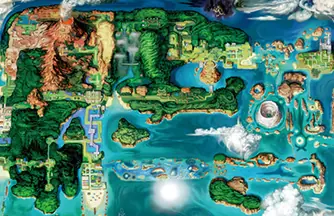

Back in 2014, gamers saw one of the most memorable internet memes that involves a game review.
IGN, an American entertainment media website focused mainly on video games, published its review for the remakes of Pokémon Omega Ruby & Alpha Sapphire.

The site gave it a 7.8 score with some solid perks. In the cons section, they cited “too much water” as a criticism of the game. Almost immediately, Pokémon fans all across the world started to make fun of this, saying that the remark was rather
silly, given that the setting of the Hoenn region was full of ocean routes, islands, and water locations. What the review
was remarking on was the overuse of water-type Pokémon, as well as trainer battles and game environments that
felt unfair. Due to this notable imbalance, players had to build type-specific teams to be able to succeed. This was a rather fair concern, but the phrasing made it stand out in a way that it became highly mocked by players online.
The decision is yours!


Game reviews will never be an absolute truth. Reviewers are trying to offer their perspective based on their personal experience with the games.
Sometimes, we may encounter bias in these views, and the average gamer’s attention often goes straight to scores.

However, the value lies in understanding the reasons behind. Reviews should be seen as guides and not as final verdicts, no matter if the source is a recognized outlet or an independent voice.
We need to form our own opinions while focusing on what truly resonates with us. The best way to do it is by really reading through the review. This may take some time, as we got to check more than one.
But remember, we are the ones looking for advice when it comes to picking our next game. We should give ourselves a chance to be convinced, or not, instead of getting seduced by the final digits.