THE EVOLUTION OF MONETIZATION
IN VIDEO GAMES
Writer: Bambie
Designer: Yato
Frontend: Kasual
Publisher: Xaros
End Editor: Maikiejj
Developer: Capt
Nowadays, gaming is one of the most profitable entertainment industries in the world. It is also making more than music and movies combined.
With a close revenue of $182.7 billion in 2024,
it is one of the fastest-growing, projecting over
$200 billion by 2027.
Whether you are a hardcore or a casual gamer, you probably spent at least a couple of bucks on a video game, but you also spent money on music and a ticket to the cinema. That makes us think: how exactly are video games making this much money?
The short answer? Monetization model in video games. This article will run you through some fascinating facts about video games and how they dominate the market, how it has evolved over the years, and how you are directly or indirectly part of this ever-growing industry.
This is why video games are dominating!
A movie ticket is a one-time purchase. We go to a cinema, hand over some money, and in return we get entertained for a few hours. The same thing happens when we acquire a music album, whether it is a physical or a digital copy.
When we think about streaming services such as Netflix, Prime Video, Disney+, and Spotify in the case of music, we have fixed subscriptions
not over 20 bucks per month. In this scenario, you will get entertained whenever you want for
a one month period, before you got to pay once again. When it comes to video games, a single title could have monetization options that can touch the sky!

Games are winning the race to profit town!
When we talk about high-profile or high-budget games, better known as AAA games, they cost about $80, and DLCs or downloadable content of said games could sometimes be way more expensive than the original. Think about those famous deluxe versions out there.
Then we also have plenty of microtransactions for hundreds of character skins in games such as Fortnite and League of Legends, or stickers
for your guns in Call of Duty. As well, there are the infamous loot boxes, and these are items that more countries seem to be regulating with
specific restriction laws. Moreover, we cannot forget about battle passes. Given these many monetization options, we can understand how video games dominate the industry in terms of revenue. Now, the next question is, how did we end up with something like this?
Expanding your wallet!
One of the oldest and, to this day, fairest ways that video games make money is the so-called expansion packs. Dating back to some games from the 80s, like Populous or Dungeon Quest,
the term “expansion” got more popular with fan favourites such as Warcraft: Wrath of the Lich King or The Sims’ multiple expansions released in the early 2000s. At the beginning, the packs
seemed acceptable as they would sometimes be a whole new game, or a sequel to the main title, making them still accepted and profitable.

DLC you later!
Nowadays, gamers are more than familiar with DLCs, which are no other but expansion packs for millennials. Here is the catch: DLCs became not only an essential part of the original game, but they are also highly expected by gamers, turning them into a more profitable option for developers and publishers.
Current deluxe, ultimate or premium versions of triple A games are highly valued and sometimes triple the price of the basic game. These forms of DLCs are usually available even from launch day, and are announced the same release date but rather distributed months later.

With this method, gamers are paying for DLCs from the beginning, full games promised to be “Deluxe” versions, but are simply just a way of making you take out your wallet.
Counter-Strike 2 generated about $1 billion purely from loot
boxes by the end of 2023, with over 400 million boxes.
Micro managing your expenses like a boss!
How could expansion packs be juiced up even more? By charging money for small amounts
of content offered. That is when the concept
of microtransactions became more popular. Developers saw this opportunity where they
could provide little additions and charge more or as much as possible. The concept is right in
the structure of the word: “micro-transactions.”
Something that seems to be kinda overlooked by gamers.
The infamous item that became
an internet meme
The Elder Scrolls IV: Oblivion brought a type of microtransaction that incorporated the option
to buy items with real money. Things got crazy when one of those items was armor for your horse. This was purely a cosmetic item that added no value in a single-player game,
where nobody else could see it, and
on
top of that, the game series was well known for having tons of mods free to download. This is how Horse armor became an internet meme.

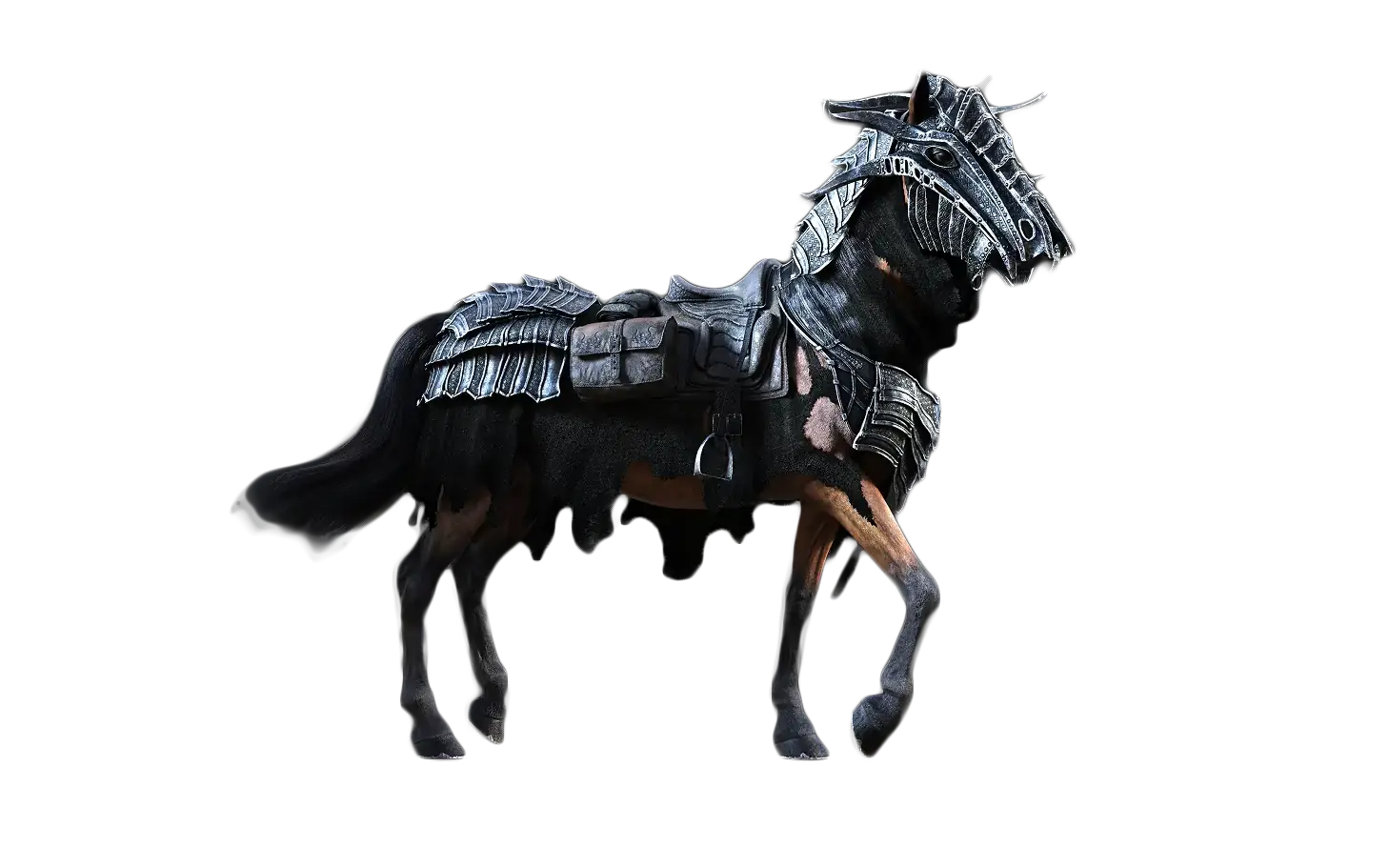
The community ridiculed it, and it is to this day considered one of the most condemned game features in history, also being used as a term for microtransactions that are not worth your money.
Despite all the backlash that this item received, it laid the foundation for cosmetic skins, one of the most popular and fruitful microtransaction methods in video games today.
This is how to keep your
money alive!
Microtransactions were already one of the least loved features when we started seeing the next path DLCs begin to take. We are talking about Live Services in video games. What is this new term? The concept is a little bit tricky, but long story short, instead of having a main game with its own DLC, and then making the sequel to this
game with its particular DLC, publishers started to release “season passes”, which are basically a way to keep the game alive while adding new content for it. With this move, they avoid having to develop a completely new title or sequel for it. In theory, this could be a good thing, as most of the time, it means keeping one single game
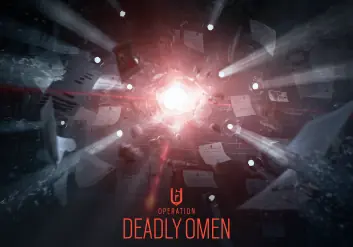
alive and running while releasing updates every season. The perfect example of this is Rainbow Six Siege, as the game has multiple passes per year, or maybe what Fortnite is doing with its battle passes, adding new themes but keeping the main plot of the story.
Battle and grind for
what is rightfully yours!
What is not good about season or battle passes is that they have an expiration date. This means that if you miss buying them during the running period, you will also miss the chance to acquire all the skins and cosmetics they come with.
On top of that, most of the content is not fully available right after the purchase, but instead, you need to play countless hours and unlock content that you already paid for. This is how the progression of the game is set up, a way
of keeping you hooked, grinding to collect what should be rightfully yours, because at the end of the day, you had to swipe your card.
Achaea: an in-game currency model that changed the economy
In 1997, we saw the birth of one MMO title that changed the economic system of online games forever. The game was called Achaea, Dreams of Divine Lands. Unlike most of its competitors, which had a fixed subscription, this game was fully free to play. To compensate for its lack of revenue, Achaea brought a new system where you could sell certain items to other players for actual in-game currency.
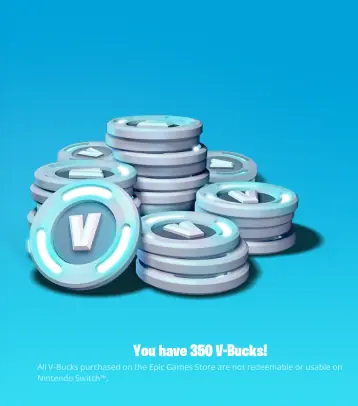
This currency was purely obtained by playing the game; however, some special items were only available through a second and premium currency that was only obtained by spending real money. Pretty much any online game has adopted this model of special currency today. Think about the famous V-Bucks in Fortnite,
the Primogems in Genshin Impact, and do not forget about Call of Duty’s points.
A digital temptation you cannot overlook!
There is a psychological strategy that is hiding behind premium virtual currency. If we look at Fortnite’s V-Bucks as an example, we see that the store has packs of 1000, 2800, and 5000
to purchase. Now, we also see that a skin can cost about 800, and reasonably, a player will buy the 1000 pack. But hey! Now they are left
with 200 V-Bucks. The next item they put their eyes on costs around 2300 VB. The player has 200 left from the previous purchase, and now they need to buy a 2800 pack. Doing the math, this is leaving them with 200 + 500 = 700 VB. Which is not enough for a basic skin. We could continue with the example, but the main point
is clear. All of that for simple cosmetic items that do not affect the gameplay whatsoever, and to make things a bit harder, Fortnite is known for collabing with big franchises that have players collecting skins like there is no tomorrow.

P2W: You win, but at what cost?
Pay-to-win, also known as P2W, is a straight to the point concept. Think about the games with items or mechanics that feel unfair, as they give certain advantages for the overall progression of the game. Those items are not easy to grind, but you can surely buy them with real money. This creates some kind of edge at the moment of competing against other players.
In this category, we have the vast catalogue of mobile games. This monetization type was not the most accepted at the beginning, yet it still is very much profitable and something gamers are getting somehow trapped into. The way to disguise this trap is by labeling certain games as “Freemium”. Those titles get categorized as free, but can give you a premium experience if you shell out your wallet.

May the Force be with you, and your wallet too!
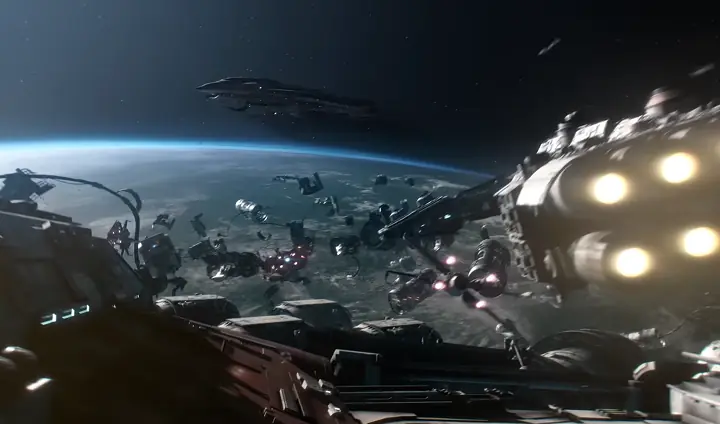
In November 2017, Electronic Arts released Star Wars: Battlefront 2, and the title promised users the ability to play as their favorite Jedi and Sith from George Lucas’ franchise. The problem was when players began to notice they had to grind for hours in order to unlock the most legendary characters, or use real money to obtain them.
The community did the math and found that to be able to unlock the entire roster of the game, they would have to grind for over 4500 hours, or instead, spend around $2000 to buy it all.
A furious Redditor made a post about how he could not believe that after buying the main game, he could not choose to play as Darth Vader. EA had an official answer to this post: “The intent is to provide players with a sense
of pride and accomplishment for unlocking different heroes.”
To this day, that comment has the Guinness World record for “Most downvoted comment on Reddit” with 683k downvotes recorded as of March 2018.
This was more exciting when it was for free!
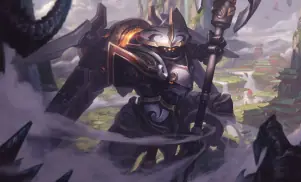
To explain loot boxes’ concept, we will put you in a situation: Imagine you start to play a game that is online but also free. You log in, check on your gear, and get ready for a match. The game starts, and you actually win the match. Victory!
The next screen you see is the rewards earned, and in here you can do ten pulls for random in-game items. Almost immediately, you try your luck. You pull them all and get one semi-decent item, but also another nine kind of useless ones
Woot! Excitement! It does not sound so bad for a free game, right? Well, there is more to cover. Now, if you want to get more of those semi-decent items, you have the option to buy these boxes for real money.
But remember, this is a full-on “gamble” wink wink, as there is no guarantee that you will get the nice items, however, there is no limit on how many of these boxes you can buy. Does this sound like a good deal after all?
Getting Messi and Ronaldo
on the same team!
One of the loot boxes that ranks the lowest is FIFA’s team packs. They offer random football player cards upon opening these packs, they are randomized, but nothing is certain at all,
and whale users, meaning players or content creators known for spending hundreds if not thousands of dollars in these types of games, are not strangers to this system. On top of it,
you can only play online matches with these particular football players, making it a must
to spend if you wish to play with your friends.
The focus should be on the actual game experience!
In conclusion, monetization in video games is
a vast and ever-evolving topic. People could consider that there are heroes and villains in the industry, but we truly believe developers could find ways to generate revenue without jeopardizing the experience of the end user. When the focus is on making money and not
on providing the best experience possible for gamers, the community suffers, and there will be complaints. Unsatisfied gamers will slowly but surely move away from certain titles that are visibly targeted to have money-sucking mechanics like multiple microtransactions or regular subscriptions for exclusive content.
After all, gaming is entertainment, and for lots of people, it has become a lifestyle. It should be focused on having a good time, either by yourself or with friends. Immersing in a world that brings you joy and happiness, and does not make you reach into your pocket so often.