BRING YOUR DISABILITYTO THE GAMING WORLD!
Gaming is no longer just about winning, passing
a level, or fast rewards. Representation, social isolation/acceptance, empowerment,
and customisation are factors that
companies have to consider.
With an estimated number of 2.7 billion gamers worldwide, gaming companies must strive to understand all types of gamers and how to
include them.
For companies is important to know the kind of customers they are working for, and gamers
with disabilities are important as well.
What can the gaming world offer to gamers
with disabilities?
Writer ⇒ Sara
Designer ⇒ AJ
Frontend ⇒ Kasual
Publisher ⇒ Xaros
End Editor ⇒ Maikiejj
Developer ⇒ Capt
Is there enough representation in games?
Around 54% of games include characters with disabilities, such as amputees and burn
victims. The representation is growing,
but mental disabilities, in contrast,
are only portrayed in 3%.
disabilities, and even those are most of
the time seen as some punishment for
an evil character. As we can see,
there is still a long way to go when
it comes to representation.
Taking into consideration all types of
disabilities, whether those are physical,
sensory, or cognitive abilities,
they should all be represented.
But, it is clear to see that developers prefer
to go the easy way and depict physical
The notion that people with disabilities
are broken and need to be fixed needs
to disappear.
Why is playing games important to disabled people?
Playing games is a powerful tool to combat social isolation. Research shows that 80% of disabled gamers claim that playing games has changed their daily lives and helped combat loneliness
and depression.
Being a part of the community and feeling accepted is important not just to them but
to all of us.
Gaming has proven to go beyond geographical barriers, creating global communities,
friendships, and shared experiences.
For people with disabilities, gaming is more than just a pastime. It is a way to get out of the walls that surround them and gives them the freedom
to be something more than just a disabled person.
According to new research, 68% of disabled gamers feel more comfortable making friends online, with 78% sharing that they feel less
judged existing in a virtual world, and 76%
saying gaming has changed their life for
the better.
There is even a considerable number of disabled gamers streaming online and with a good
amount of viewers.
The empowerment of these gamers begins with wanting to know them, their struggles and how
to make it so that they too can be a part of
the gaming community.
The future for disabled gamers is now!
The University of York in the UK and the AbleGamers charity in West Virginia are devoted to improving access to gaming for people with disabilities.
They have devoted their time to studying and helping gamers with disabilities.
What they like, want, need and how to make it happen. Below are some of the tools that
disabled gamers can use nowadays: ‘Can I play that´ is a website that offers reviews on popular games from an accessibility standpoint.
This way, disabled gamers can know ahead of time what each game can offer to them.
Each disability is different, and some games
may cater to some but miss others.
Having reviews on each game is a helpful tool
for them.
A new tagging system has been created by
major gaming companies where disabled
gamers will be able to know right away
specific accessibility features like
hearing, vision, or motor disabilities
in games.
Its founders are Microsoft, Nintendo, Electronic Arts, Google and Ubisoft. Reddit is also
a powerful tool for disabled gamers.
In there, you can find thousands of threads with all types of topics regarding games.
By asking questions, they can have answers in seconds, find what a specific game can offer, specific hardware and how to use it, how to
alter software so it adapts to them
and much more.
Futuristic customization is here!
Customisation is a key element for disabled gamers. Microsoft, Sony and Logitech
are some of the companies that focus
on creating innovative hardware
and game design software as well.
Adaptive technology for disabilities has
evolved considerably over the years.
Some examples we can find are:
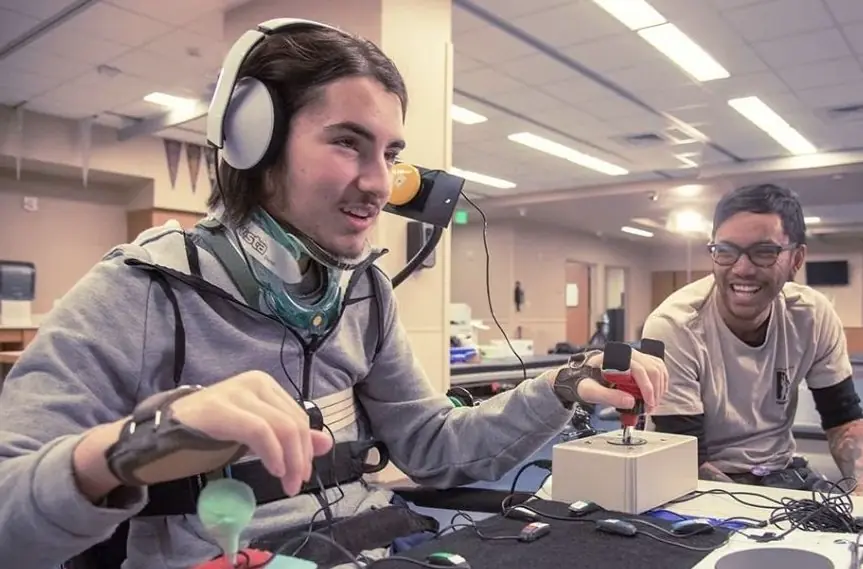
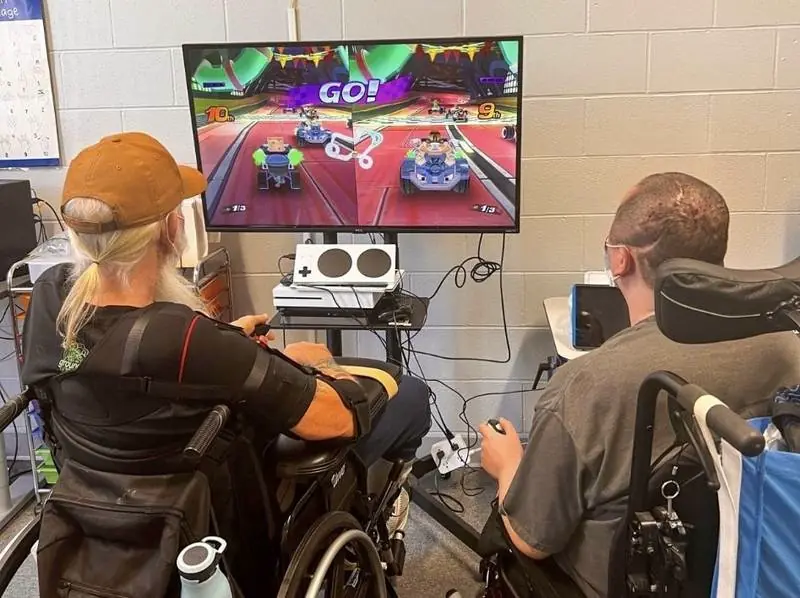
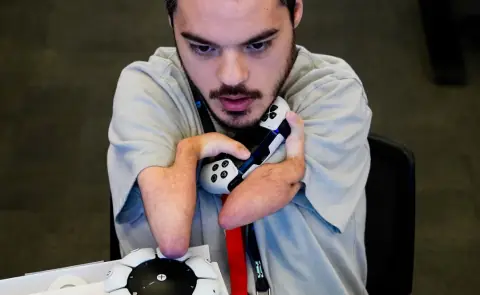
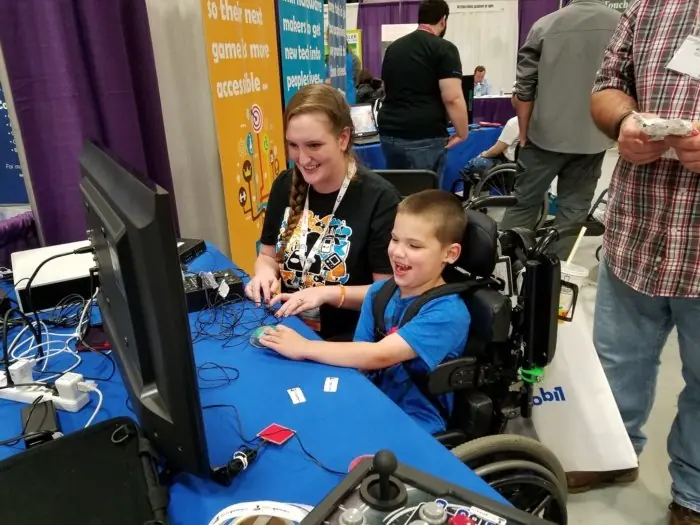
Adaptive controllers that accommodate
different physical abilities.
These devices are customizable with various external devices such as switches, buttons,
and joysticks to cater to individual needs.
Customizable keyboards and mice can be programmed or physically adjusted to fit
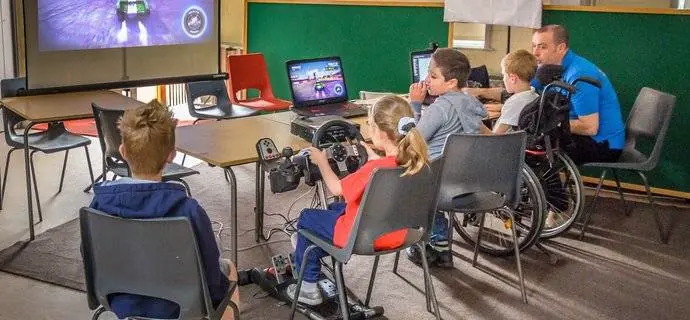
the user’s specific needs, enhancing accessibility for adaptive gaming.
Voice control software is an invaluable tool for individuals with limited hand dexterity.
Software such as Voice Bot allows gamers to map voice commands to keyboard keys or
mouse actions, providing an alternative
way to play for those who have difficulty
using traditional controllers.
For gamers with severe physical disabilities,
eye-tracking technology can be life-changing.
Devices such as Tobii Eye Tracker enable players to control games using eye movements,
offering a hands-free gaming experience.
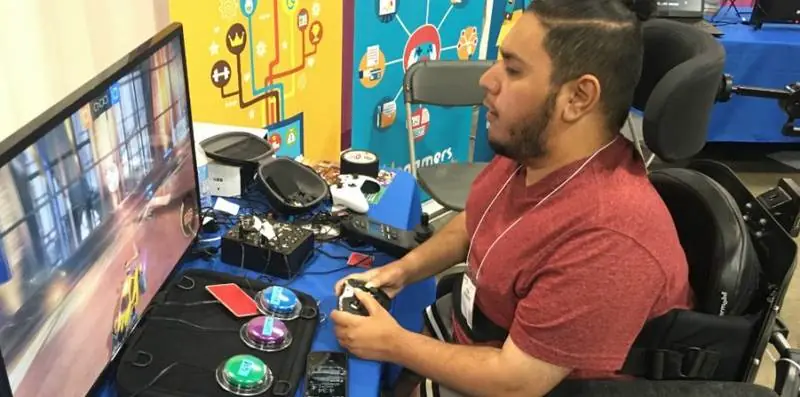
Adaptive switches can be used with online games or console games, allowing players to control games with alternative body movements such
as sipping and puffing, or using a single
button press.
AI-powered tools can interpret head movements or eye tracking for input.
Voice commands are being fine-tuned by AI to make complex games playable hands-free.
AI tracks player performance, adjusting difficulty levels dynamically.
It can also offer hints or slow down gameplay when it senses a struggle.
Providing comprehensive tutorials and guides can help players understand game mechanics, especially those who may require additional
support. As AI technology continues to evolve,
we can expect even more breakthroughs in
game accessibility. Companies that focus
on creating games that adapt to
mental issues or that build hardware for physical disabilities are growing rapidly in the market. Research shows that disabled gamers
represent a key and untouched consumer
group. It is not just a corporate responsibility but also a financial opportunity to tap into this type
of consumer.
Why is inclusivity important?
Games created with inclusivity can offer so much to disabled gamers: Physical therapy, cognitive rehabilitation, enhanced hand-eye coordination, problem-solving skills and social skills.
Feeling included in a society that you love is so
important. For gamers with disabilities, being part of the digital world community, feeling accepted, respected and involved brings them an escape from real-life struggles.
Realising how much this pixel world can change
a disabled gamer is easy to miss if you don’t look for it. Online, we can find countless stories of disabled gamers who share how playing games has changed their daily lives for the better.
The touching story of Mats “Ibelin” Steen
One of them is the story of Mats Steen, a Norwegian gamer who was born with a muscular dystrophy disease called Duchenne.
He was wheelchair bound at the age of 10 and barely able to move his fingers from then on. In a moving and powerful documentary on Netflix called “The Remarkable Life of Ibelin”, we can get to know
Mats life and how playing games was a source
of joy to him.
In the digital world, he was able to be a part of
a community, make make friendships, touch
other people’s lives and even find love.
The documentary uses a mix of home-made videos of Mats along with immersive WoW animation depicting his character interactions
in-game.
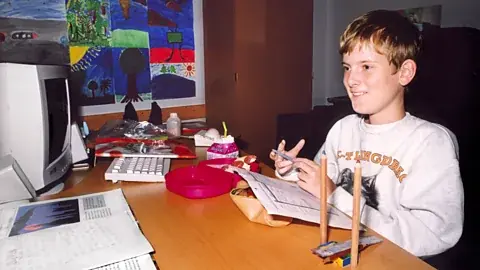
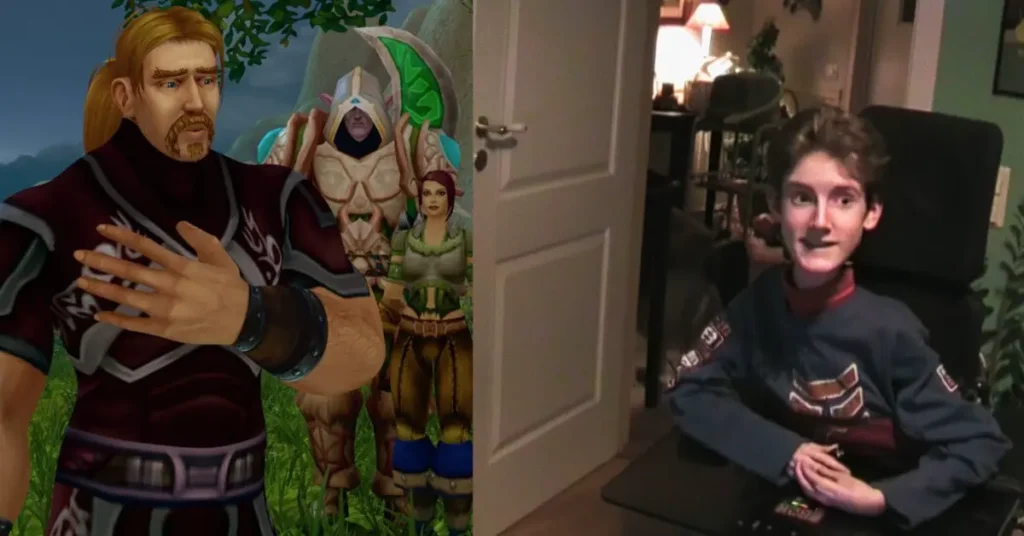
Mats spent more than 20,000 hours playing World of Warcraft, created a blog where he shared about his disease and made countless friendships inside
and outside of the game.
When he passed away, his parents felt that the right thing to do was to share this news on his blog.
They began the post with “Our beloved son, brother and best friend left us this night”, what they could never expect was the number of responses
they got.
Their inbox was flooded with emails from people all over the world, expressing grief and recounting
the meaningful interactions they had with Mats
and his alter-ego, the game character,
Ibelin Redmoore.
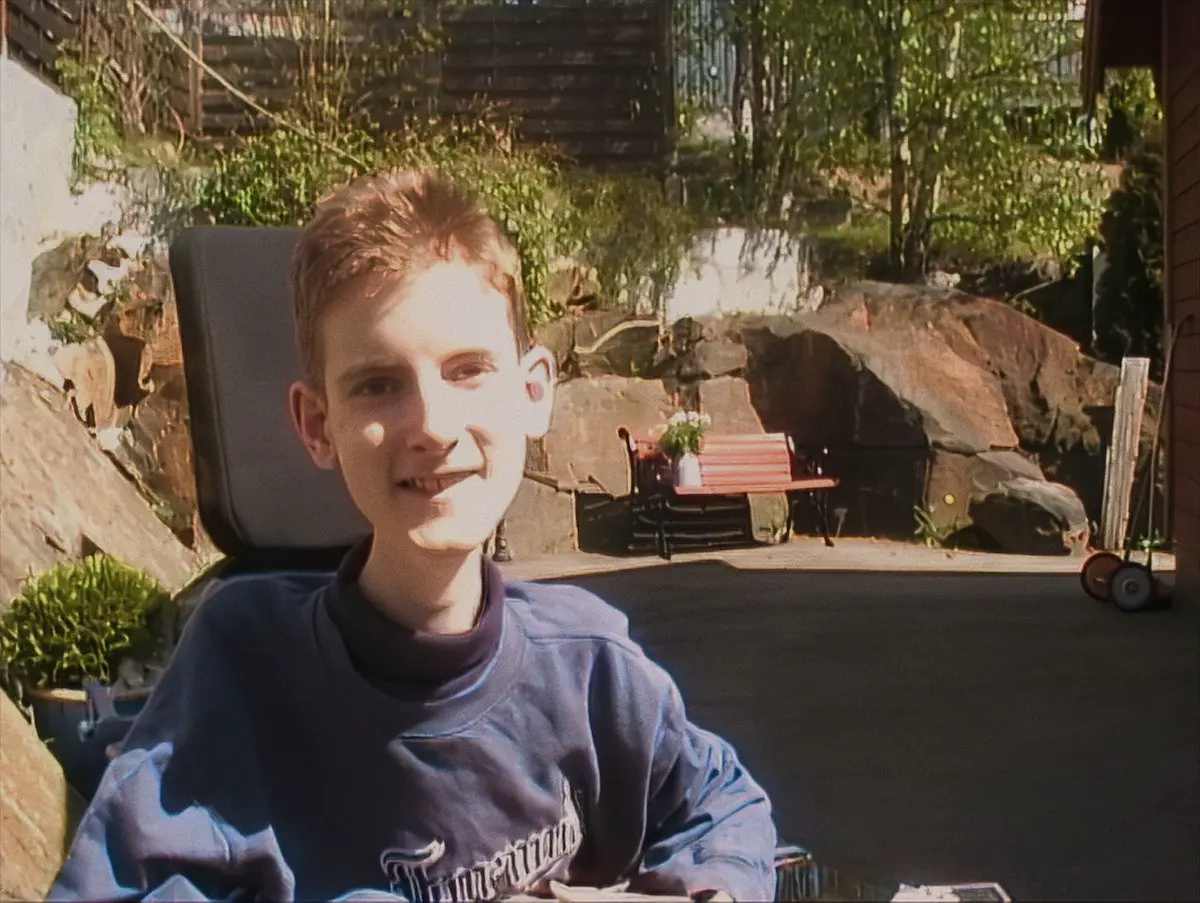
They could never imagine how much of an impact his character had made and how he had cultivated such a deep online community.
He forged strong bonds, provided helpful counsel and pursued several romantic relationships.
It provided reassurance during a mournful time, and helped them recognise that Mats was important in other people’s lives,
his father says.
After his passing, several friends made a point to reach out to Mats parents and to be present at his funeral, sharing what he had represented to them.
He changed their lives by always having a supportive word, showing interest and wanting to protect them.

More than 10 years have passed since they lost Mats, but every year they still get together in
the game and honour their friend by lighting
candles and standing by his grave.
To Mats, the community that he was a part of was a source of life, joy and empowerment.
Inside the digital world, there were no walls he could not cross, people he could not meet or help, and his disability simply disappeared.
His parents were so touched by discovering this other part of Mat´s life that they had no idea existed that they even included his avatar
name in his tombstone.
It reads: Mats “Ibelin” Steen. Deeply missed,
never forgotten.
The first Neuralink implant receiver is loving his life!
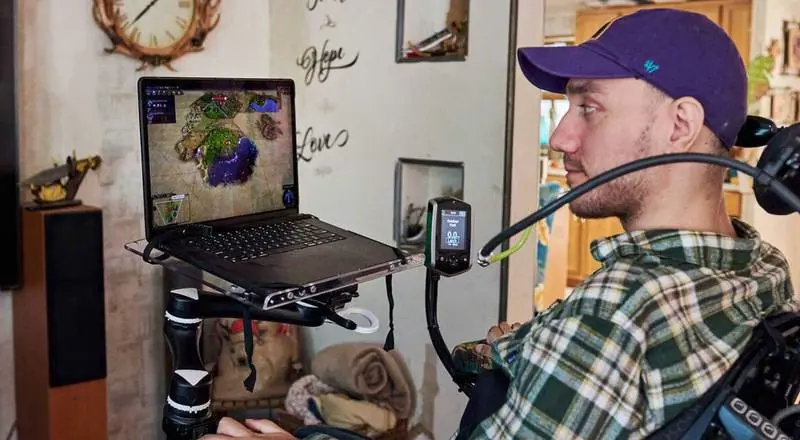
Another story that deserves to be shared is of
the first human to receive a Neuralink implant.
Noland Arbaugh, a 29-year-old quadriplegic,
feels ecstatic to be the first human being to
be able to have this kind of technology
and says that it changed his life in so
many different ways.
He can now use a computer utilizing nothing
but his mind.
The implant works by reading the brain signals from the user and translating them into
Bluetooth-based remote commands to
control an electronic device,
like a mouse cursor.
‘From there, it just became intuitive for me to
start imagining the cursor moving.
Basically, it was like using the Force on a cursor, and I could get it to move wherever I wanted´ Noland explained. Thanks to the implant,
he has also been able to play the PC game
“Civilization VI” outside of the Neuralink research sessions. This recently resulted in an eight-hour gaming session until his implant needed to be recharged wirelessly. Because the results so far
have been so life-changing, Neurolink is looking
for more candidates to try this technology
and hopefully help make life easier
and more enjoyable for more people.
How is the future looking for disabled gamers?
In conclusion, even though the gaming world is on its way to accepting and adapting to gamers with disabilities, there is still a long way to go, especially in the representation part
of inclusivity.
If we think about children with disabilities who play games, knowing that their disability is accepted and represented in the games they play will
give them confidence and power to fight
the daily struggles.
A disabled gamer is so much more than their disability. They are human beings who want
to be accepted and live a life as normal
and happy as their disability will let them.
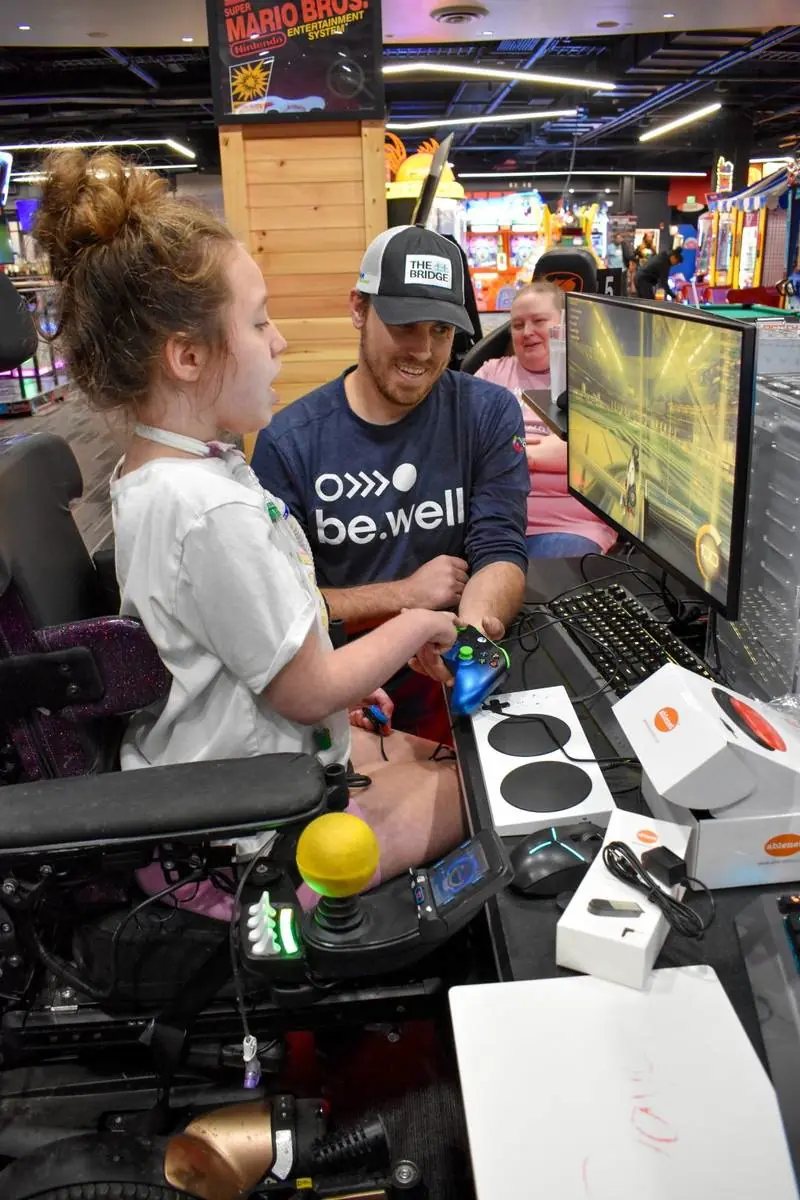
When disabled gamers have access to adaptive
and assistive technology, it changes the way
that they play games. It gives them
independence, confidence and a much
more immersive experience.
It makes them feel like they belong, which is especially crucial for those facing barriers
in other life areas. Playing games is
transformative for someone who
cannot achieve much of what real
life can offer.
It is a way to escape into a world where their disability is not a factor. Only discovery,
fun and social connections matter.